The Role of Massage Therapy in Improving Athletic Recovery Time brings new meaning to proactive care. Discover fresh strategies that promote movement and strength.

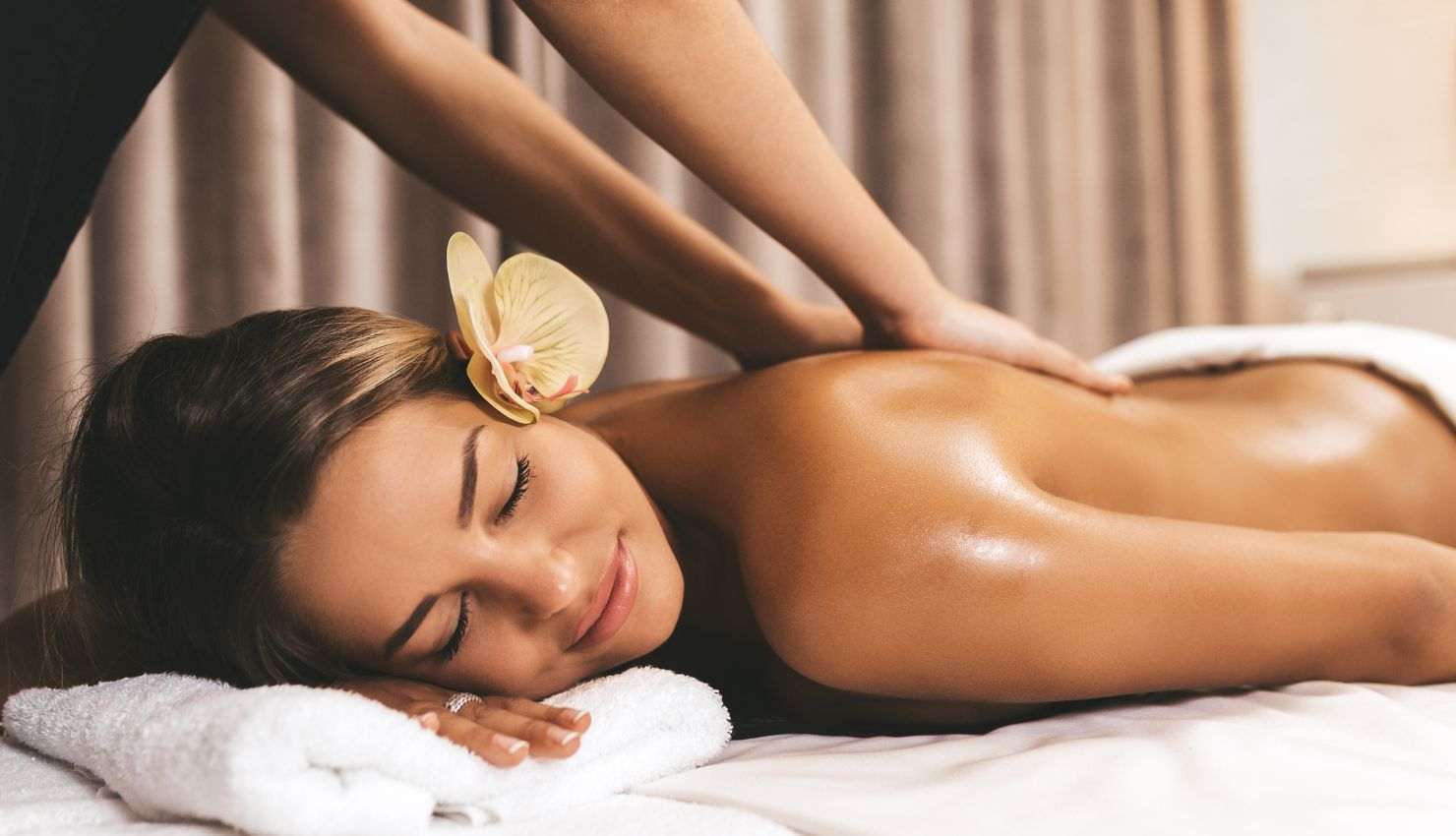
For athletes, whether professional, amateur, or weekend warriors, recovery is just as important as the training itself. The body needs time to heal, rebuild, and get stronger after intense physical activity. One natural, highly effective recovery strategy thats gaining widespread recognition is massage therapy. Its not just a luxury or a way to pamper sore musclesits a powerful tool to speed up recovery time, prevent injuries, and enhance athletic performance.
If youre serious about your sport or fitness goals, understanding the role massage therapy plays in athletic recovery could be a game-changer.
Why Recovery Matters for Athletes
Training puts stress on muscles, tendons, and joints, causing microscopic damage to muscle fibers. This damage is part of the process that leads to muscle growth and strength gains, but only if the body has adequate time and resources to repair itself. Poor recovery can result in prolonged soreness, fatigue, decreased performance, and even injury.
Effective recovery helps:
Reduce muscle soreness and stiffness
Restore flexibility and range of motion
Decrease inflammation and swelling
Prevent muscle imbalances and injury
Improve overall physical and mental readiness for the next session
How Massage Therapy Supports Athletic Recovery
Massage therapy enhances the bodys natural healing processes through multiple mechanisms:
1. Increasing Blood Flow and Circulation
One of the most significant benefits of massage is its ability to improve blood circulation. Enhanced blood flow means more oxygen and nutrients reach the muscles, speeding up the repair of damaged tissues and flushing out metabolic waste products like lactic acid. This accelerated removal of toxins helps reduce delayed onset muscle soreness (DOMS) and supports faster recovery.
2. Reducing Muscle Tension and Tightness
Intense workouts often leave muscles tight and knotted. Massage therapy targets these areas with techniques like deep tissue and myofascial release, loosening tight muscles and breaking up adhesions. This not only alleviates discomfort but also restores muscle elasticity, making movements smoother and reducing the risk of strains or tears.
3. Lowering Inflammation
Massage has been shown to reduce markers of inflammation in the body. By calming inflammatory responses, massage helps minimize swelling and speeds up the healing of microtears in muscle tissue.
4. Supporting Nervous System Recovery
Athletic training is stressful not just physically but also neurologically. Massage activates the parasympathetic nervous system, the rest and digest mode, which lowers heart rate and promotes relaxation. This neurological calming effect supports quicker recovery and reduces mental fatigue.
Types of Massage That Enhance Recovery
Different massage styles can be tailored to support recovery depending on the athletes needs:
Swedish Massage: Promotes overall relaxation and increases blood circulation through gentle, flowing strokes.
Deep Tissue Massage: Focuses on deeper muscle layers to relieve chronic tension and break down scar tissue.
Sports Massage: Combines various techniques to prepare muscles for activity, enhance recovery, and address specific injuries.
Trigger Point Therapy: Targets tight knots in muscles that cause pain and restrict movement.
Compression Massage: Uses rhythmic pressure to stimulate circulation and lymphatic drainage.
When to Schedule Massage for Optimal Recovery
Timing matters in athletic recovery. Heres how massage fits into an athletes schedule:
Post-Workout: A gentle massage within a few hours after training can help reduce muscle soreness and inflammation.
Between Training Sessions: Regular massages help maintain muscle flexibility, prevent injury, and optimize performance.
Pre-Competition: Lighter massage techniques prepare muscles and calm nerves before an event.
Injury Rehabilitation: Focused massage therapy aids healing and restores function after injury.
Combining Massage Therapy with Other Recovery Techniques
Massage works best when combined with other recovery strategies like:
Proper nutrition and hydration to fuel muscle repair
Adequate sleep to support overall recovery
Stretching and mobility exercises to maintain flexibility
Active recovery such as low-impact movement or swimming
Benefits Beyond Physical Recovery
Massage therapy doesnt just heal the bodyit also benefits the mind. Athletes often report reduced stress, improved sleep quality, and enhanced mental focus after massage sessions. This mind-body balance is crucial for sustained athletic success.
Why Choose YFS for Your Athletic Recovery Needs?
At Your Forms UX (YFS) in Canada, we specialize in massage therapy designed to meet the unique needs of athletes. Our skilled therapists understand the demands of various sports and tailor treatments that accelerate recovery and support peak performance. Whether youre recovering from a tough workout, managing an injury, or preparing for a big competition, YFS offers a professional, personalized approach.
Final Thoughts
Massage therapy is no longer just a luxury for athletesits an essential component of a well-rounded recovery plan. By improving circulation, reducing muscle tension, and promoting nervous system balance, massage speeds healing and helps athletes return to their best form faster.
Incorporate regular massage therapy into your training regimen and experience the difference it makes in your recovery time and overall performance. At YFS, were here to support your journey toward peak physical health and athletic success.