How Massage Therapy Aids in Rehabilitation After Surgery or Injury brings new meaning to proactive care. Discover fresh strategies that promote movement and strength.

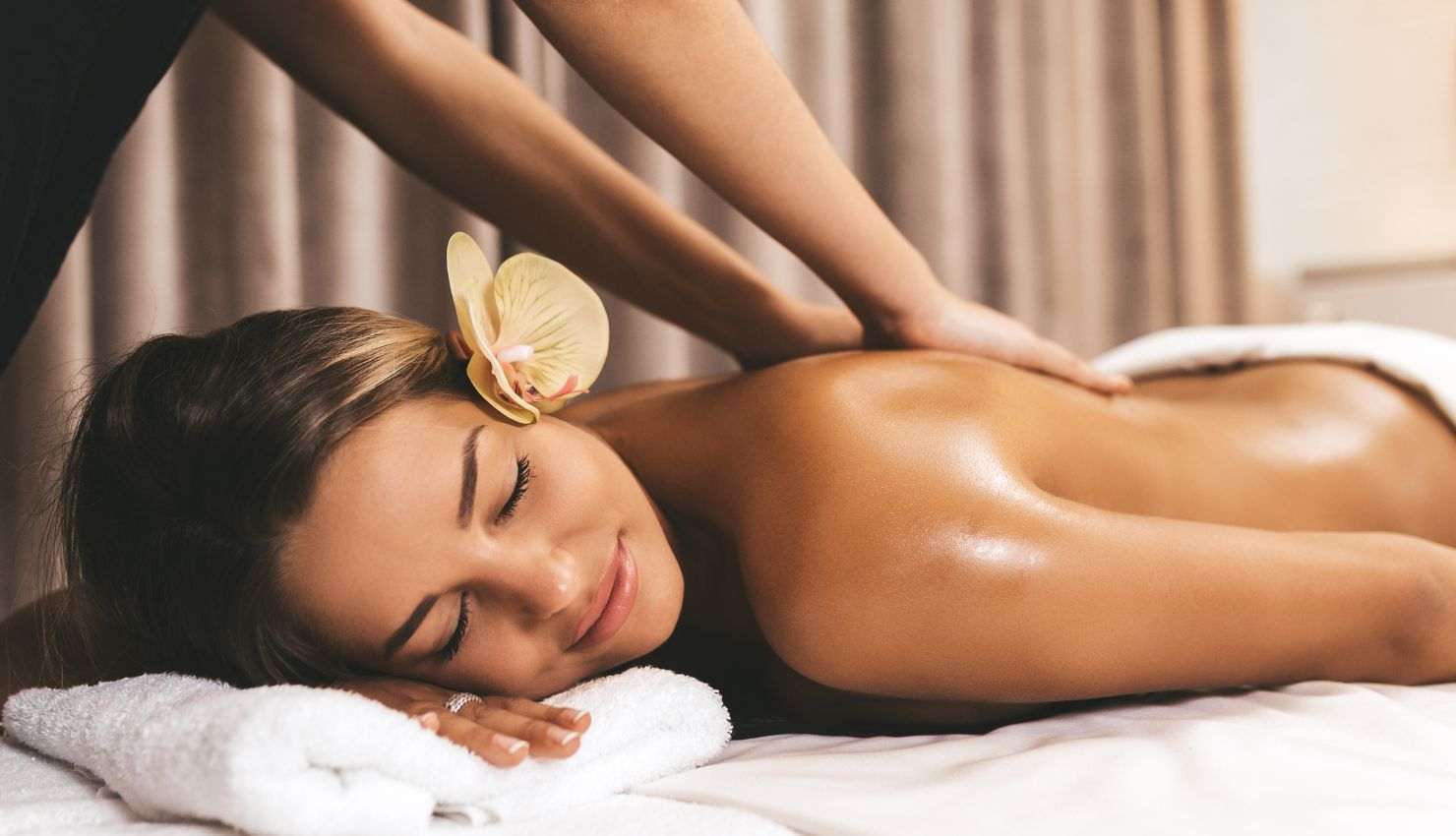
Recovering from surgery or a serious injury can be a challenging journey, often filled with pain, limited mobility, and frustration. While medical interventions and physical therapy are typically the cornerstone of rehabilitation, massage therapy has emerged as an effective complementary treatment that can significantly improve recovery outcomes. Whether youre healing from orthopedic surgery, a muscle tear, or an accident, massage therapy offers numerous benefits that can enhance your rehabilitation process.
Understanding Rehabilitation After Surgery or Injury
Rehabilitation after surgery or injury focuses on restoring your bodys function, strength, and flexibility while minimizing pain and preventing complications. This process often involves a combination of physical therapy, medication, and lifestyle modifications. However, many patients overlook massage therapy as a valuable ally in their recovery, despite its proven benefits.
The Science Behind Massage Therapy in Rehabilitation
Massage therapy works by manipulating muscles, connective tissues, and fascia to stimulate circulation, reduce tension, and promote healing. This hands-on approach encourages the bodys natural repair mechanisms to work more efficiently, leading to faster recovery and less discomfort.
Heres how massage therapy specifically aids in post-surgical or injury rehabilitation:
Reduces Post-Operative Swelling and Edema
Surgery and injuries often cause fluid buildup (edema) around the affected tissues, leading to swelling, stiffness, and pain. Massage techniques like lymphatic drainage help move excess fluid out of the tissues and into the lymphatic system, reducing swelling and enhancing comfort.
Relieves Muscle Stiffness and Tension
After surgery or injury, muscles surrounding the affected area tend to tighten as a protective mechanism, which can limit mobility and increase pain. Massage therapy relaxes these muscles, improving flexibility and reducing discomfort.
Enhances Circulation to Accelerate Healing
Improved blood flow delivers oxygen and nutrients essential for tissue repair while removing metabolic waste products. This supports faster healing of incisions, bruises, and damaged muscles or ligaments.
Breaks Down Scar Tissue and Adhesions
Scar tissue can form as the body heals, but excessive or improperly aligned scar tissue may cause restricted movement or pain. Specific massage techniques help soften and remodel scar tissue, improving range of motion and reducing discomfort.
Alleviates Pain Naturally
Massage stimulates the release of endorphins, the bodys natural painkillers, and reduces levels of stress hormones, which can lower pain perception without relying solely on medications.
Promotes Relaxation and Reduces Stress
Surgery and injury often come with emotional and psychological stress. Massage therapy promotes relaxation by calming the nervous system, reducing anxiety, and improving sleep quality all of which are crucial for holistic recovery.
Types of Massage Beneficial After Surgery or Injury
Different massage styles cater to the unique needs of post-surgical or injury rehabilitation. These include:
Lymphatic Drainage Massage: This gentle technique helps reduce swelling by encouraging lymph flow and removing waste products from the tissues.
Deep Tissue Massage: Targets deep muscle layers and connective tissue to relieve tightness, break down adhesions, and improve mobility.
Myofascial Release: Focuses on releasing tension in the fascia, which can become tight or restricted following surgery or injury.
Trigger Point Therapy: Concentrates on releasing specific tight spots or knots that cause referred pain and discomfort.
Swedish Massage: Provides gentle, flowing strokes that promote relaxation and improve circulation, ideal in the early healing phases.
Your massage therapist will tailor the treatment to your specific stage of healing and comfort level, ensuring that the massage supports rather than hinders your recovery.
When to Start Massage Therapy Post-Surgery or Injury
Timing is important. Massage therapy should generally begin only after your surgeon or healthcare provider gives the green light, as premature massage could aggravate healing tissues or cause complications.
Once cleared, early massage can help reduce swelling and pain, while later sessions focus more on restoring mobility, breaking down scar tissue, and improving function.
Combining Massage Therapy with Physical Rehabilitation
Massage therapy is most effective when used in conjunction with physical therapy and exercise. By loosening tight muscles and reducing pain, massage can make it easier for you to perform prescribed exercises that build strength and flexibility. This integrated approach promotes more comprehensive and faster recovery.
Safety Considerations for Massage After Surgery or Injury
Always consult with your surgeon or healthcare provider before starting massage therapy post-surgery or injury.
Inform your massage therapist about your medical history, medications, and any complications.
Avoid deep or intense massage on the surgical site until fully healed or as directed by your healthcare team.
Monitor for any unusual pain, swelling, or discomfort during or after massage sessions, and report these to your therapist immediately.
Real-Life Benefits: What Patients Experience
Many patients report significant improvements in pain levels, reduced swelling, improved movement, and an overall sense of well-being after incorporating massage therapy into their rehabilitation plan. It can transform a stressful recovery period into a more manageable and even empowering experience.
Why Choose Professional Massage Therapy in Canada
In Canada, professional massage therapists are highly trained and regulated, ensuring that you receive safe, effective, and personalized care. Whether you are recovering from a minor injury or major surgery, therapists can collaborate with your healthcare team to create a holistic recovery plan.
At YourFormsUX, we emphasize the importance of combining traditional rehabilitation with complementary therapies like massage to optimize healing and quality of life.