How Massage Therapy Promotes Relaxation and Eases Stress brings new meaning to proactive care. Discover fresh strategies that promote movement and strength.

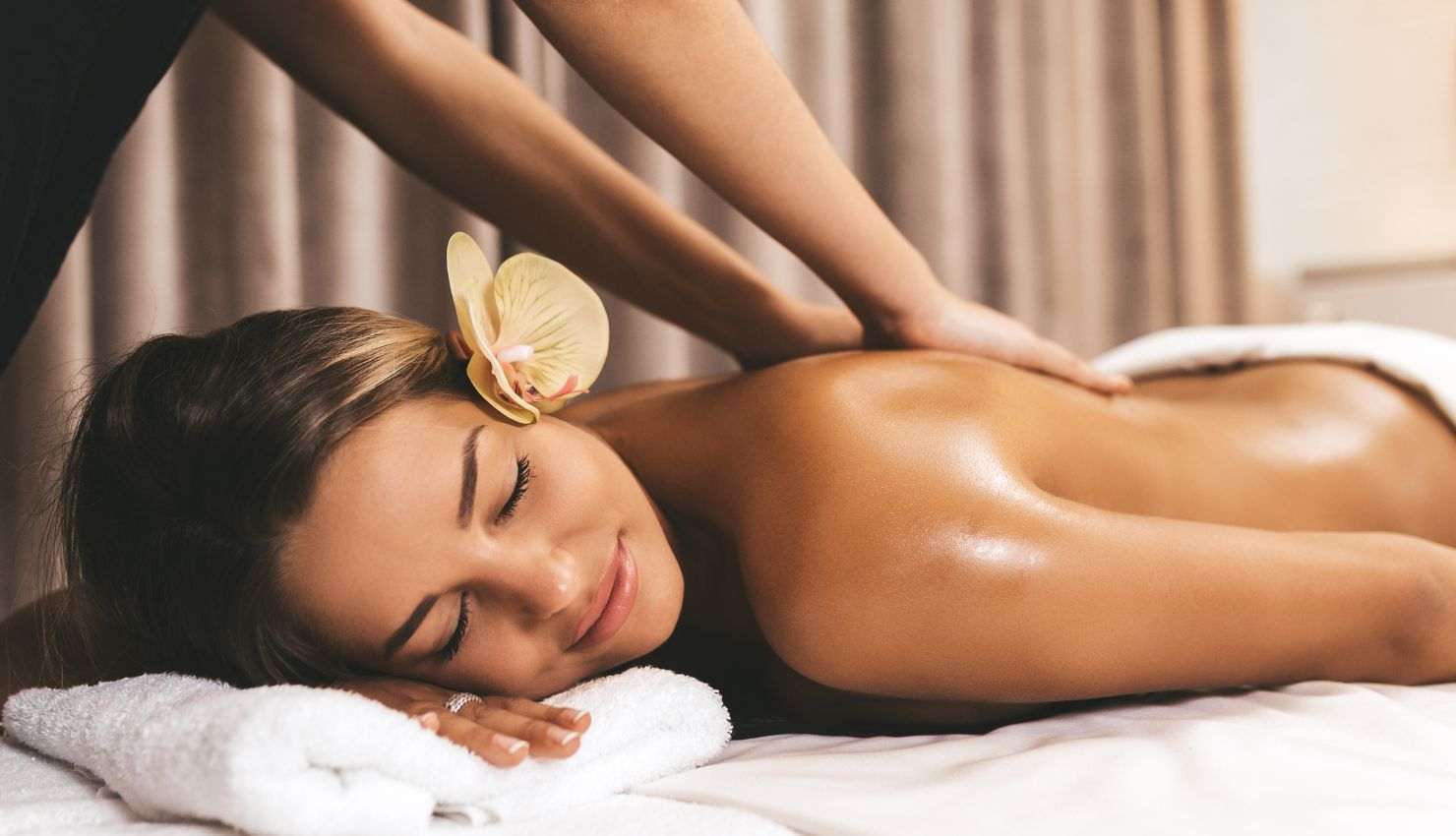
In todays busy world, stress has become a common part of life for many people. From demanding jobs and family responsibilities to financial worries and constant digital distractions, stress affects our physical health, emotional well-being, and overall quality of life. Finding effective ways to relax and manage stress is essentialand massage therapy offers a natural, proven method to help you unwind and restore balance.
If youre curious about how massage therapy can promote deep relaxation and ease stress, this blog dives into the science, benefits, and practical reasons why massage should be part of your wellness routine.
Understanding Stress and Its Impact on the Body
Stress triggers a complex response in the body often called the fight or flight reaction. When stressed, your body releases hormones like cortisol and adrenaline that prepare you to face immediate challenges. However, chronic stress means these hormones stay elevated, which can lead to:
Muscle tension and pain
Headaches and migraines
Fatigue and sleep disturbances
Weakened immune system
Anxiety and mood disorders
Managing stress is crucial for both mental and physical health.
How Massage Therapy Counters Stress Physiology
Massage therapy works by influencing the nervous system and biochemical pathways in several ways:
Reduces Stress Hormones
Massage lowers cortisol levels, helping to calm the body and reduce the physiological effects of stress.
Increases Feel-Good Neurotransmitters
Massage boosts serotonin and dopamine, which improve mood and promote feelings of happiness and well-being.
Relaxes Muscles and Eases Tension
Stress often causes muscle tightness, especially in the neck, shoulders, and back. Massage releases this tension, reducing physical discomfort linked to stress.
Activates the Parasympathetic Nervous System
Also known as the rest and digest system, this part of the nervous system promotes relaxation, lowers heart rate, and enhances digestion.
Improves Sleep Quality
By reducing physical and mental tension, massage can help you fall asleep faster and enjoy deeper, more restorative sleep.
Types of Massage That Are Great for Stress Relief
Different massage techniques are effective for relaxation and stress reduction, including:
Swedish Massage: Uses gentle, flowing strokes to relax muscles and calm the mind.
Aromatherapy Massage: Combines essential oils like lavender or chamomile with massage to enhance relaxation effects.
Hot Stone Massage: Uses warm stones to soothe muscles and promote deep relaxation.
Reflexology: Focuses on pressure points in the feet or hands linked to stress relief.
Your massage therapist can customize treatments to suit your needs and preferences.
The Psychological Benefits of Massage Therapy
Beyond physical relaxation, massage therapy offers powerful mental health benefits:
Reduces Anxiety and Depression: By balancing neurotransmitters and lowering cortisol, massage can alleviate symptoms of anxiety and depression.
Enhances Mindfulness and Body Awareness: The experience of massage helps you connect with your body, encouraging mindfulness and reducing mental clutter.
Improves Self-Care and Wellbeing: Regular massage supports a healthy lifestyle by encouraging relaxation and self-compassion.
How Often Should You Get Massage to Manage Stress?
Frequency depends on your stress levels and lifestyle. Some people benefit from weekly sessions, while others find biweekly or monthly massages help maintain calm and balance.
Even a single massage session can provide immediate relief from tension and improve mood.
Tips for Maximizing Massage Benefits for Stress
Create a Relaxing Environment: Choose a calm setting, perhaps with soft lighting and soothing music.
Communicate Your Needs: Tell your therapist about your stress triggers and areas of tension.
Combine Massage with Other Stress-Relief Practices: Such as meditation, gentle exercise, or deep breathing.
Safety Considerations
Massage is generally safe for most people. However, if you have specific health concerns or conditions, check with your healthcare provider before starting massage therapy.
Final Thoughts: Make Massage Therapy Your Stress-Relief Ally
Stress may be inevitable, but how you manage it can make all the difference. Massage therapy offers a safe, natural, and enjoyable way to relax your body, calm your mind, and restore emotional balance. Whether youre coping with everyday pressures or more intense stress, regular massage can help you feel more grounded, peaceful, and resilient.
At YourFormsUX, we support holistic health approaches and recommend massage therapy as a cornerstone of stress management for Candians seeking balance and wellbeing.