The Role of Massage Therapy in Improving Post-Surgical Mobility brings new meaning to proactive care. Discover fresh strategies that promote movement and strength.

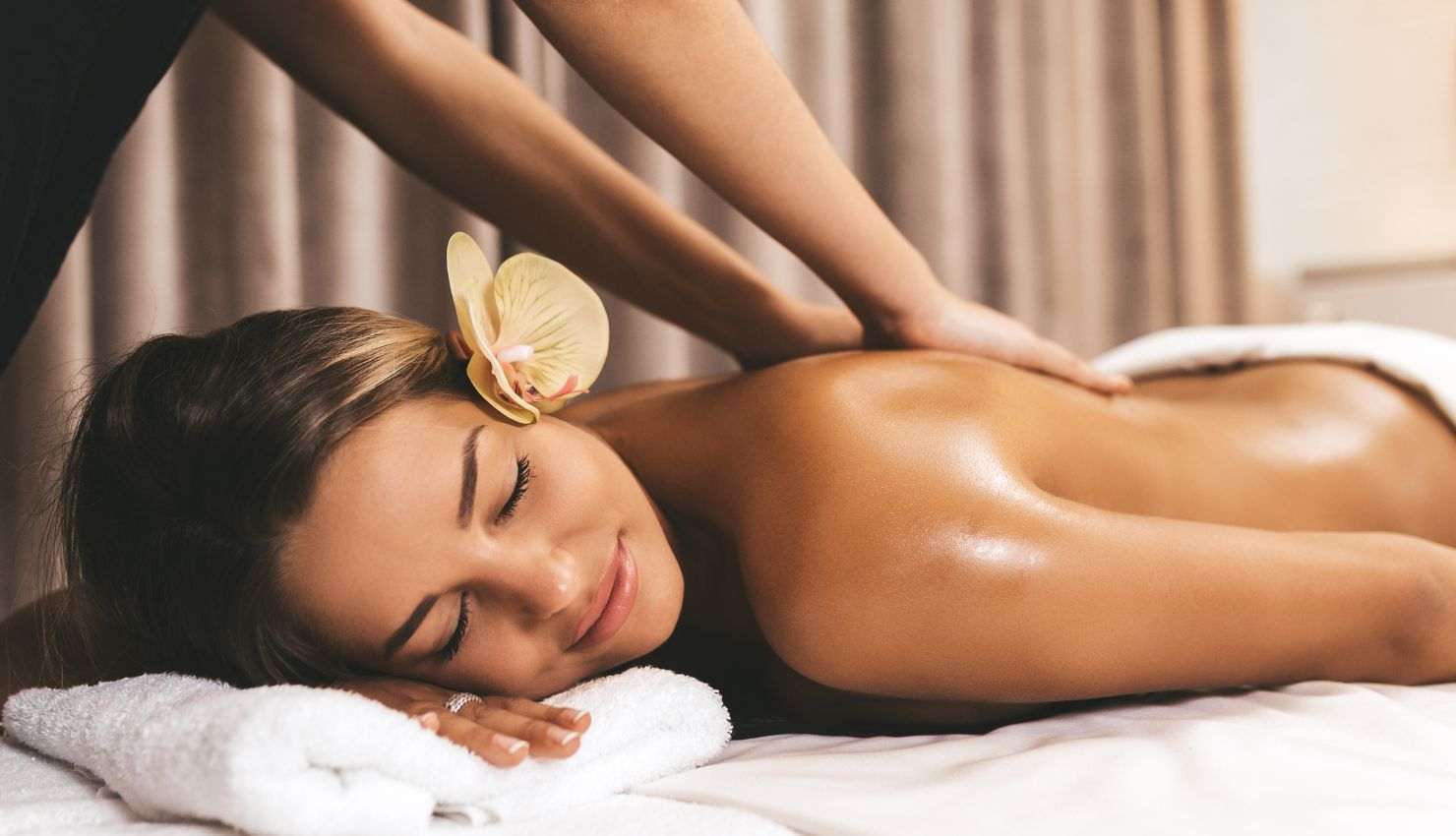
Recovering from surgery is a critical phase that requires careful attention to healing, pain management, and regaining mobility. While physical therapy and medications are often central to recovery plans, massage therapy has emerged as an invaluable complementary treatment to enhance post-surgical mobility and overall rehabilitation.
If youre preparing for or recovering from surgery, understanding how massage therapy supports your journey can help you achieve better outcomes, reduce discomfort, and speed up your return to daily activities.
Why Post-Surgical Mobility Matters
After surgery, its common to experience stiffness, pain, swelling, and limited movement around the operated area. These symptoms can delay recovery, reduce independence, and increase the risk of complications like blood clots or muscle atrophy.
Restoring mobility early and safely is essential to:
Prevent joint stiffness and muscle weakness
Enhance circulation and tissue healing
Reduce pain and swelling
Improve overall function and quality of life
How Massage Therapy Supports Post-Surgical Mobility
Massage therapy aids post-surgical recovery through several key mechanisms:
Improves Circulation
Massage increases blood flow to the surgical site and surrounding tissues, delivering oxygen and nutrients vital for tissue repair and reducing swelling by promoting lymphatic drainage.
Reduces Scar Tissue and Adhesions
Scar tissue formation is a natural part of healing but excessive or improperly formed scars can restrict movement. Massage techniques gently break down adhesions and realign scar tissue to restore flexibility.
Relieves Muscle Tension and Spasms
Muscles around the surgery site may become tight or go into spasm as a protective response. Massage relaxes these muscles, decreasing pain and improving range of motion.
Manages Post-Operative Pain
Massage triggers endorphin release and lowers stress hormones, providing natural pain relief and reducing reliance on medications.
Enhances Range of Motion
By loosening muscles, connective tissues, and scar tissue, massage helps restore joint and muscle flexibility needed for everyday activities.
Supports Psychological Wellbeing
Surgery can be stressful and emotionally challenging. Massage promotes relaxation, lowers anxiety, and supports mental health during recovery.
Types of Massage Used in Post-Surgical Rehabilitation
Massage therapists use various techniques depending on the stage of healing and surgical site, such as:
Lymphatic Drainage Massage: Gently stimulates lymph flow to reduce swelling.
Myofascial Release: Releases tight connective tissue restricting movement.
Scar Tissue Massage: Softens and mobilizes scar tissue to prevent adhesions.
Swedish Massage: Promotes relaxation and circulation in early healing phases.
Deep Tissue Massage: Targets deeper muscle layers to relieve chronic tension later in recovery.
Your therapist will adapt the approach to your unique situation and comfort.
When to Start Massage Therapy After Surgery
Timing is crucial. Massage should only begin after your surgeon or healthcare team clears you, typically once incisions have healed and swelling has reduced. Starting too early or applying too much pressure can interfere with healing.
Once approved, early gentle massage can help with swelling and pain, while more targeted therapy comes later to restore mobility and function.
Combining Massage with Physical Therapy and Medical Care
Massage therapy works best when integrated with other rehabilitation efforts, such as physical therapy exercises and proper medical management. Massage prepares tissues for movement and reduces pain, making physical therapy more effective and tolerable.
Regular communication between your healthcare providers and massage therapist ensures coordinated and safe care.
Safety and Precautions
Always get medical clearance before starting massage after surgery.
Avoid massage on open wounds, infected areas, or where there is severe inflammation.
Inform your therapist about your surgical history and any complications.
Report any unusual pain, swelling, or discomfort during or after massage.
Real-World Benefits and Patient Experiences
Many patients report faster recovery, less pain, improved mobility, and a greater sense of wellbeing when massage therapy is part of their post-surgical care. It can shorten rehabilitation time and help people return to their normal lives with more confidence.
Why Choose Professional Massage Therapy in Canada
Licensed massage therapists in Canada follow strict standards and receive specialized training, especially when working with post-surgical clients. At YourFormsUX, we advocate for safe, evidence-based complementary therapies like massage to enhance recovery outcomes and patient satisfaction.