How Massage Therapy Helps Relieve Pain from Rheumatoid Arthritis brings new meaning to proactive care. Discover fresh strategies that promote movement and strength.

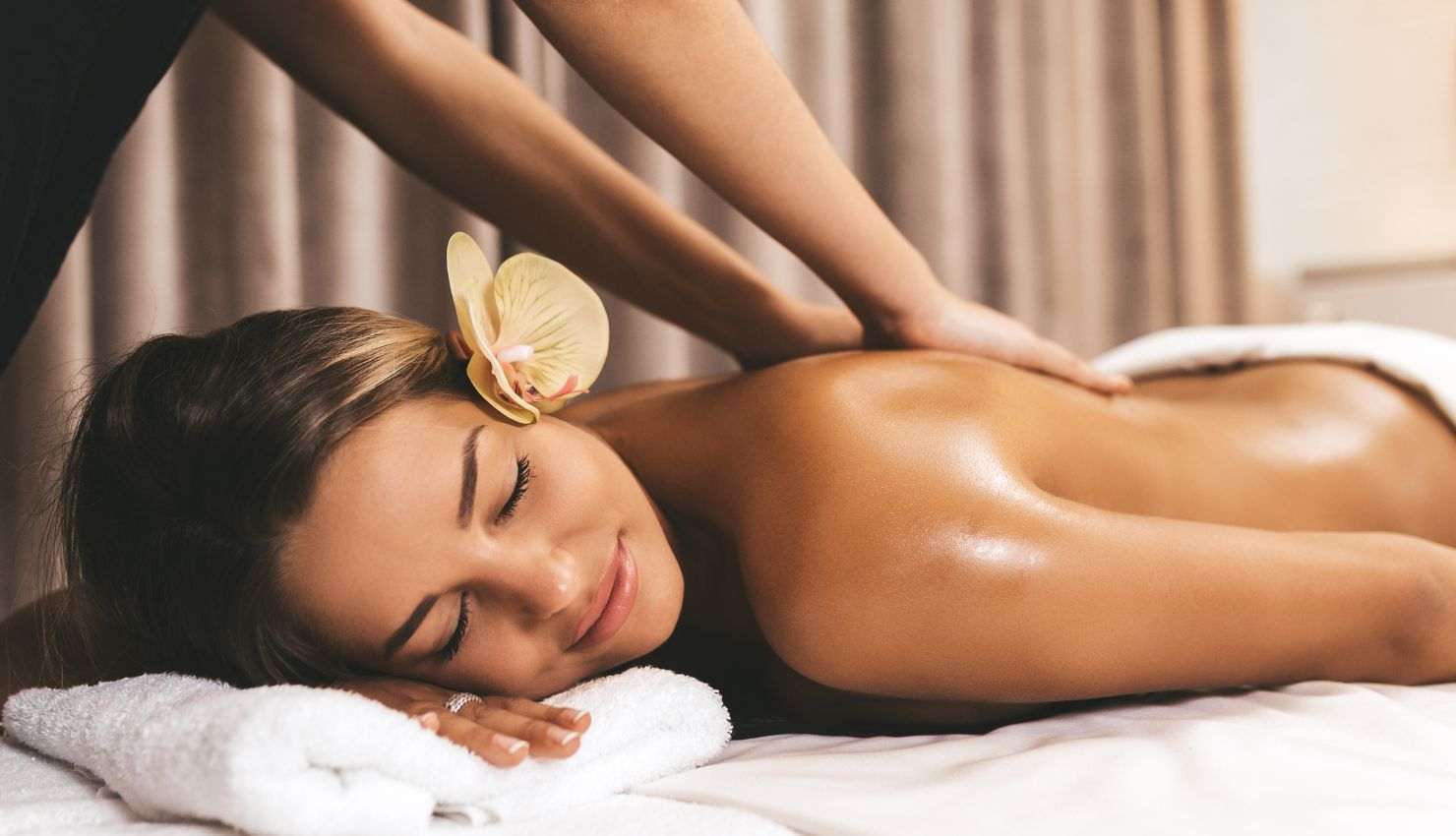
Rheumatoid arthritis (RA) is a chronic autoimmune condition that causes inflammation, pain, and stiffness in the joints. For many living with RA, managing this persistent pain can be a daily struggle that affects mobility, sleep, and overall quality of life. While medication and medical treatments play critical roles, complementary therapies like massage therapy have gained attention for their potential to ease symptoms and improve comfort.
If youre curious about how massage therapy can support pain relief for rheumatoid arthritis, lets explore the ways it works, what to expect from treatment, and why it might be a valuable part of your arthritis care plan.
Understanding Rheumatoid Arthritis and Its Impact on the Body
Rheumatoid arthritis occurs when the immune system mistakenly attacks the lining of the joints, causing inflammation. Unlike osteoarthritis, which is primarily caused by wear and tear, RA involves systemic inflammation that can affect multiple joints symmetrically.
Common symptoms include:
Joint pain and swelling
Morning stiffness lasting more than an hour
Warmth and redness over affected joints
Fatigue and general malaise
The chronic inflammation can lead to joint damage and deformities over time if not well managed.
How Massage Therapy Helps Manage Rheumatoid Arthritis Pain
Massage therapy offers several benefits for those with RA by targeting muscle tension, improving circulation, and reducing inflammation. Heres how:
1. Reduces Muscle Tension Around Joints
Chronic joint pain often leads to compensatory muscle tightness and spasms. Massage relaxes these muscles, which helps take pressure off the joints and alleviates discomfort.
2. Improves Blood Circulation
Enhanced circulation through massage increases the delivery of oxygen and nutrients to inflamed tissues while promoting the removal of metabolic waste. This can support tissue repair and reduce inflammation.
3. Decreases Pain Sensation
Massage stimulates the release of endorphins, the bodys natural painkillers, which help modulate pain signals. It also reduces levels of cortisol, a stress hormone linked to inflammation and pain.
4. Promotes Joint Mobility and Flexibility
Gentle massage can improve range of motion by loosening tight muscles and connective tissue surrounding affected joints. This can help combat stiffness, particularly in the morning.
5. Reduces Stress and Enhances Well-Being
Living with RA can be emotionally taxing. Massage therapys calming effects help reduce anxiety and depression often associated with chronic pain conditions, supporting holistic wellness.
Massage Techniques Suitable for Rheumatoid Arthritis
Because joints affected by RA can be sensitive or inflamed, therapists use cautious, gentle techniques such as:
Swedish Massage: Light to medium pressure strokes that relax muscles without aggravating joints.
Myofascial Release: Gentle stretching of connective tissue to improve mobility.
Aromatherapy Massage: Use of calming essential oils to enhance relaxation and reduce pain.
Trigger Point Therapy: Targeted work on muscle knots that refer pain around joints.
Deep tissue or intense pressure massages are generally avoided during flare-ups to prevent irritation.
What to Expect in a Massage Session for RA
Assessment: The therapist will review your medical history, current symptoms, and areas of pain.
Customized Approach: Treatment is tailored to your comfort level and the condition of your joints.
Communication: You should feel free to communicate pain or discomfort during the session so adjustments can be made.
Aftercare: Post-massage recommendations might include gentle stretching, hydration, and rest.
Precautions and When to Avoid Massage
Massage therapy is generally safe for people with RA but should be approached with care:
Avoid massage during active flare-ups with severe inflammation.
Avoid massaging directly over swollen or damaged joints.
Discuss any blood thinning medications or health concerns with your therapist beforehand.
Always consult your rheumatologist or healthcare provider before starting massage therapy.
Integrating Massage Therapy Into Your RA Management Plan
Massage therapy works best as part of a comprehensive treatment strategy that includes:
Medication prescribed by your rheumatologist
Regular low-impact exercise like swimming or walking
Physical therapy for joint strengthening and flexibility
Balanced diet rich in anti-inflammatory foods
Stress management techniques
Why Choose Professional Massage Therapy in Canada?
Canada offers a well-regulated environment for massage therapy, with trained and certified practitioners who understand chronic health conditions like RA. Many extended health insurance plans cover massage therapy, making it an accessible complementary option.
Final Thoughts
Living with rheumatoid arthritis means navigating chronic pain and inflammation, but massage therapy offers a gentle, natural way to relieve muscle tension, reduce pain, and improve joint mobility. Alongside medical treatment, massage can enhance your quality of life, support emotional well-being, and help you maintain better function.
If you have RA and are considering massage therapy, seek out a licensed therapist experienced with chronic conditions. With the right care, massage therapy can be a valuable part of your pain management and wellness routine.