How Massage Therapy Improves Blood Flow and Circulation in the Body brings new meaning to proactive care. Discover fresh strategies that promote movement and strength.

When we talk about feeling healthier and more energized, one of the unsung heroes behind this is your bodys circulation. Good blood flow is essential for delivering oxygen, nutrients, and removing waste from tissues, ensuring every part of your body functions at its best. But sometimes, due to stress, inactivity, or certain health conditions, circulation can slow down, leading to fatigue, swelling, or even more serious complications. Thats where massage therapy steps in as a natural, effective way to boost blood flow and improve your overall well-being.
What Exactly Happens to Blood Flow During Massage Therapy?
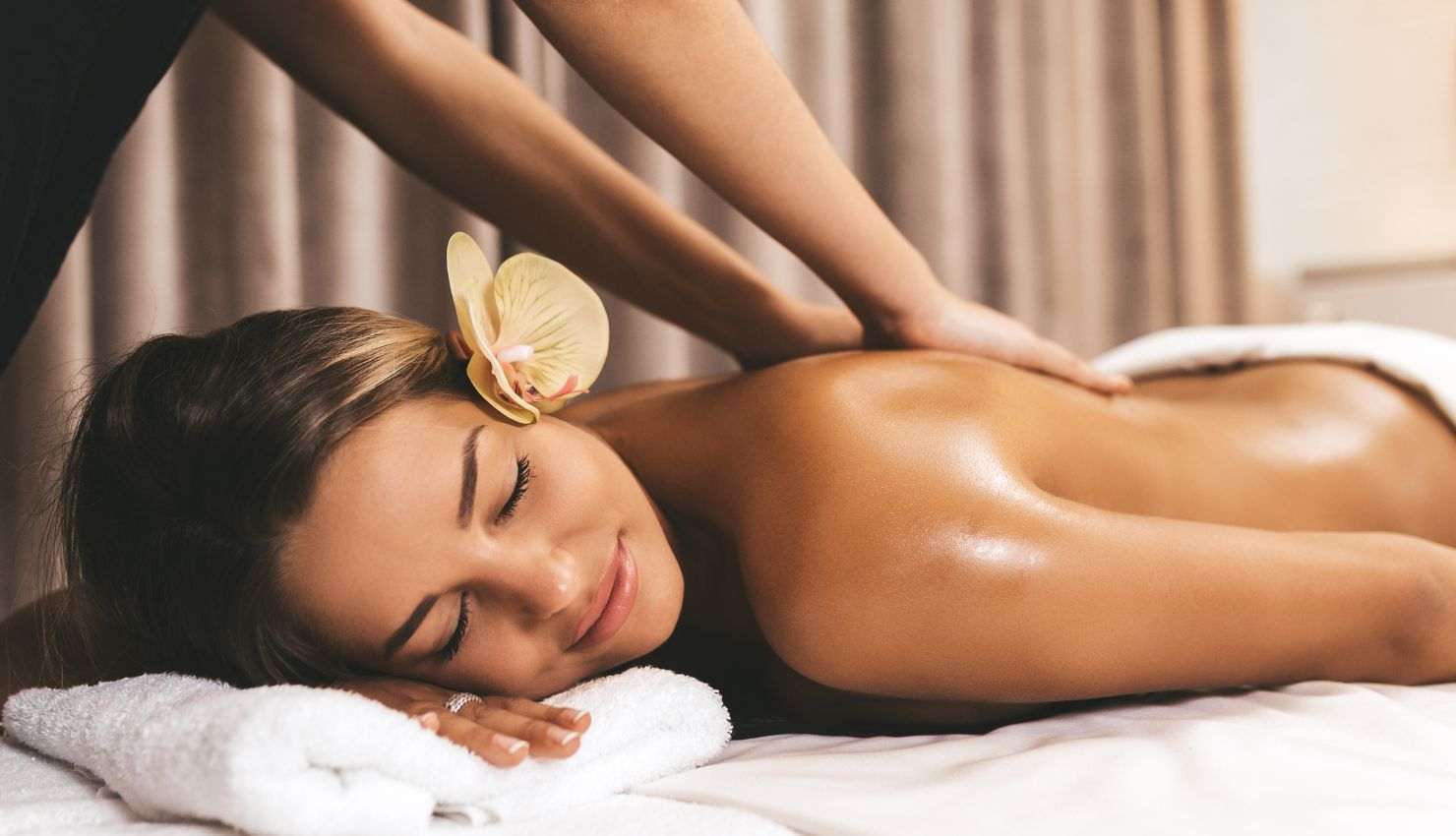
Massage therapy involves applying pressure and movement to the muscles and soft tissues. This physical stimulation encourages your blood vessels to dilate, meaning they open wider. When blood vessels dilate, it allows more blood to flow through them, which increases circulation in the treated area and sometimes throughout the body.
The rhythmic pressure of massage helps push the blood in veins and lymphatic vessels back toward the heart. This is especially important because veins rely on muscle movement to help move blood upwards against gravity. Massage essentially acts like a pump, encouraging healthy circulation and reducing pooling of blood in the extremities.
Why Is Improving Blood Circulation So Important?
Improved circulation means that oxygen-rich blood reaches your muscles and organs more efficiently. This helps with:
Faster healing: Nutrients and oxygen are delivered more rapidly to damaged tissues.
Detoxification: Improved flow speeds up the removal of metabolic waste and toxins.
Reduced swelling and inflammation: Better circulation prevents fluid buildup and helps ease inflammation.
Increased energy levels: Tissues receiving ample oxygen and nutrients function more efficiently, helping you feel more energized.
Enhanced immune function: White blood cells and other immune components travel better, supporting your bodys defenses.
How Massage Therapy Supports Vascular Health
Massage stimulates the production of nitric oxide, a molecule that relaxes blood vessels and improves their elasticity. This relaxation effect reduces blood pressure and enhances overall vascular health. Over time, regular massage sessions can help maintain flexible blood vessels, reducing the risk of vascular diseases.
Moreover, by decreasing stress hormones such as cortisol, massage therapy reduces constriction of blood vessels caused by stress. This means massage not only directly improves circulation but also creates a healthier environment inside your body by managing stress levels.
Types of Massage That Are Especially Effective for Circulation
While many forms of massage boost circulation, some are particularly effective:
Swedish Massage: This classic technique uses long, gliding strokes and kneading motions that encourage blood flow to the skin and muscles.
Deep Tissue Massage: Targets deeper layers of muscle and connective tissue, helping to break up muscle knots and increase circulation in stubborn areas.
Lymphatic Drainage Massage: A gentle technique focused on stimulating lymph flow, which helps remove toxins and reduce fluid retention.
Sports Massage: Designed for athletes, it promotes circulation to muscles before and after activity, speeding up recovery.
Who Can Benefit from Improved Circulation Through Massage?
Almost everyone can benefit from better blood flow. However, massage therapy is especially helpful for:
People with sedentary lifestyles or desk jobs who suffer from poor circulation in legs and feet.
Individuals recovering from injuries or surgery where circulation is critical for healing.
Athletes looking to improve performance and speed recovery.
Older adults experiencing reduced vascular function.
Those dealing with chronic conditions like diabetes or peripheral artery disease.
Anyone under high stress, which can negatively impact circulation.
What Does Science Say?
Research consistently supports the positive impact of massage therapy on circulation. Studies show that massage can significantly increase blood flow velocity in treated areas and improve oxygen saturation in muscles. This is why many healthcare professionals recommend massage as a complementary therapy to support cardiovascular and overall health.
Simple At-Home Tips to Support Circulation Alongside Massage
Massage therapy is incredibly effective, but pairing it with healthy lifestyle habits can amplify the benefits:
Stay hydrated to help your blood stay fluid and move easily.
Regular physical activity stimulates muscle contractions that promote circulation.
Avoid prolonged sitting or standingtake breaks to move or stretch.
Maintain a balanced diet rich in antioxidants, vitamins, and minerals for vascular health.
Manage stress through mindfulness, meditation, or other relaxation techniques.
The YFS Approach to Massage and Circulation
At YourFormsUX (YFS), we understand how critical circulation is to your health, which is why we design our services to enhance the natural benefits of massage therapy. Whether youre dealing with chronic circulation issues or simply want to improve your wellness routine, our expert therapists use proven techniques to stimulate blood flow, promote relaxation, and support your bodys natural healing processes.
By choosing massage therapy at YFS, youre investing in a holistic approach that not only feels amazing but also improves your bodys foundational systems for lasting health.
In summary, massage therapy is a powerful, natural method to improve blood flow and circulation in the body. Its benefits ripple through your health, from faster healing and reduced inflammation to increased energy and better cardiovascular function. If youre looking to boost your circulation and overall wellness, incorporating regular massage therapy could be a game-changer for your health journey.