How Massage Therapy Helps with Recovery from Acute Sports Injuries brings new meaning to proactive care. Discover fresh strategies that promote movement and strength.

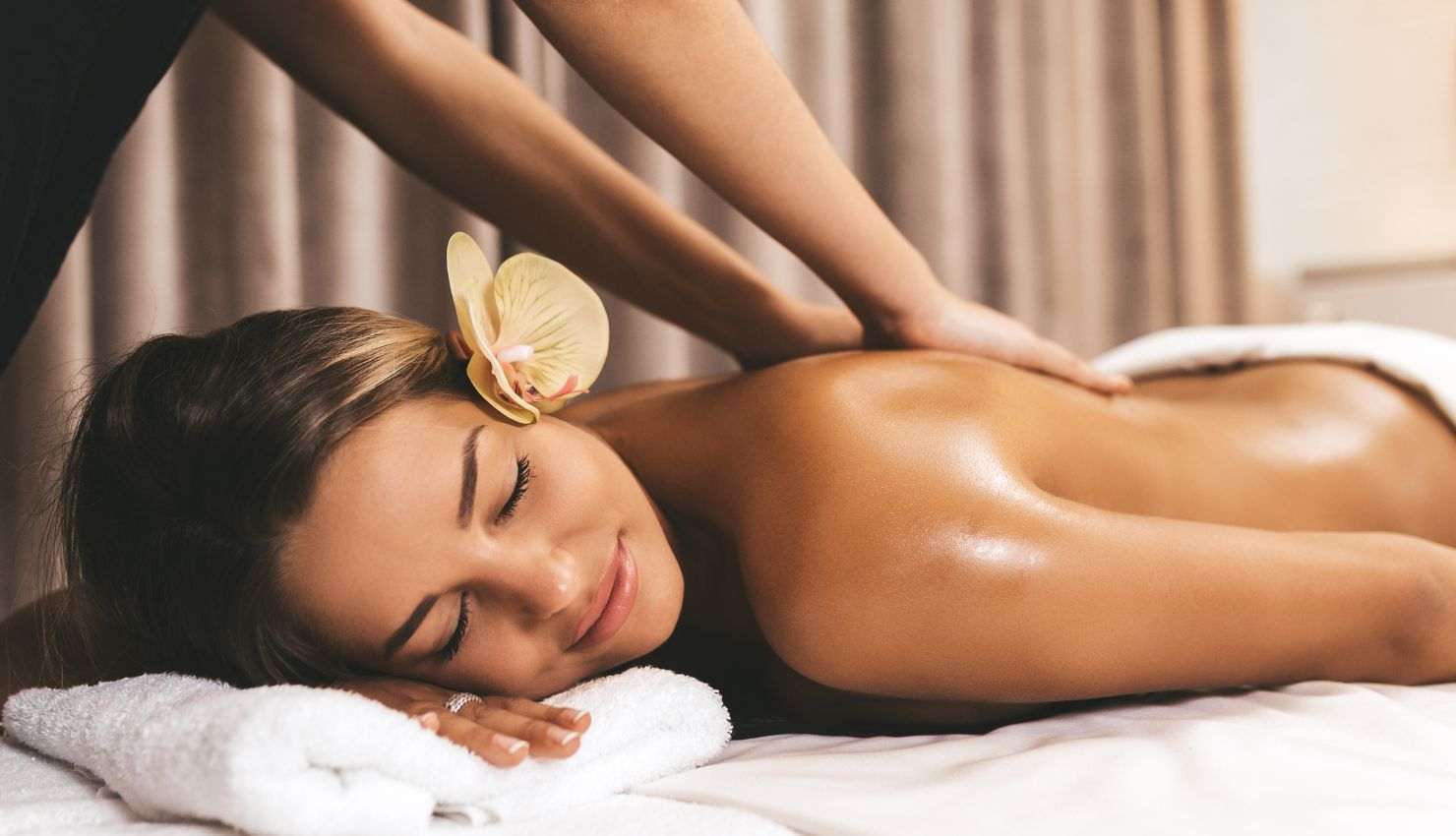
Sports injuries happen. Whether its a sudden twist, a hard fall, or an unexpected collision, acute sports injuries can be frustrating and painful, putting your active lifestyle on hold. From sprains and strains to bruises and minor tears, the road to recovery can sometimes feel long and challenging. Fortunately, massage therapy offers a natural, effective way to support healing and speed up recovery from acute sports injuries.
If youre looking for a gentle yet powerful method to ease pain, reduce swelling, and get back in the game faster, massage therapy might just be your best ally.
What Are Acute Sports Injuries?
Acute sports injuries are sudden injuries that happen during physical activity or sports. Common examples include:
Sprains (ligament injuries)
Strains (muscle or tendon injuries)
Contusions (bruises)
Tendonitis or bursitis
Minor muscle tears
These injuries usually cause pain, swelling, bruising, and limited movement right after the trauma. While some injuries need medical attention or even surgery, many acute injuries benefit greatly from early intervention, and massage therapy plays an important role in that early recovery phase.
How Massage Therapy Supports Healing After an Acute Injury
Massage therapy helps the body heal from acute sports injuries through several mechanisms:
1. Reducing Inflammation and Swelling
When injury strikes, your body reacts with inflammationa natural process to protect the damaged tissues. However, excessive swelling can delay healing and increase pain. Massage techniques like lymphatic drainage help stimulate the lymphatic system, encouraging the removal of excess fluid and toxins from the injured area. This reduces swelling and promotes a cleaner, healthier healing environment.
2. Improving Blood Circulation
Improved circulation is crucial for delivering oxygen and nutrients to injured tissues. Massage helps increase blood flow, which speeds up tissue repair and clears metabolic waste products from the injury site. This enhanced circulation also reduces muscle spasms and stiffness around the injured area.
3. Breaking Down Scar Tissue
As healing progresses, scar tissue forms to repair the injury. However, excessive or improperly healed scar tissue can cause stiffness, restrict movement, and increase the risk of re-injury. Massage therapy helps gently break down scar tissue and realign collagen fibers, allowing for better flexibility and function of the healed tissue.
4. Pain Management
Massage stimulates the release of endorphins, the bodys natural painkillers, and helps reduce muscle tension. This combination eases discomfort and promotes relaxation, making pain management more effective without relying solely on medications.
5. Restoring Range of Motion
After an injury, muscles and joints often become stiff and restricted. Massage therapy works on the soft tissues to release tightness, increase elasticity, and improve overall joint mobility. Restoring range of motion early in recovery reduces compensatory movement patterns that could lead to further injury.
When to Start Massage Therapy After an Injury
Timing is important. While massage can be beneficial soon after an injury, the type and intensity of massage should match the stage of healing. In the immediate acute phase (first 48 to 72 hours), gentle techniques like lymphatic drainage and light stroking are preferred to avoid aggravating inflammation.
As swelling decreases and pain subsides, therapists gradually introduce deeper, more targeted massage techniques such as myofascial release, trigger point therapy, and deep tissue massage. A licensed massage therapist will carefully assess your injury and tailor the treatment to your recovery phase.
Integrating Massage Therapy with Medical Care
Massage therapy complements conventional medical treatment and rehabilitation. Its important to consult your healthcare provider before starting massage therapy, especially if you have serious injuries or conditions requiring medical intervention.
Massage therapists often work alongside physiotherapists, sports doctors, and trainers to provide a holistic recovery plan that addresses both the injury and the bodys overall balance. This multidisciplinary approach improves healing outcomes and reduces the likelihood of chronic problems.
Benefits of Regular Massage During Sports Injury Recovery
Accelerated healing time: Enhanced circulation and reduced swelling help tissues repair faster.
Less pain and discomfort: Natural pain relief improves your comfort level.
Improved flexibility and strength: Massage supports gentle movement and muscle activation during rehabilitation.
Prevention of future injuries: By addressing muscle imbalances and tightness, massage therapy helps prevent re-injury.
How to Find the Right Massage Therapy for Your Injury
Not all massages are created equal. When recovering from an acute sports injury, seek out a massage therapist with experience in sports massage or therapeutic massage. They will understand the nuances of injury recovery and use evidence-based techniques to support your healing.
Many Canadian clinics offer specialized sports massage services that can be integrated into your rehabilitation plan. Make sure to communicate clearly about your injury history, current symptoms, and any concerns during your sessions.
Self-Care Tips Alongside Massage Therapy
While massage therapy is powerful, it works best when combined with other recovery practices:
Rest and avoid activities that worsen the injury.
Follow your healthcare providers recommendations for ice, compression, and elevation.
Engage in prescribed physical therapy exercises to regain strength and flexibility.
Maintain hydration and a balanced diet to support tissue repair.
Practice gentle stretching and mobility exercises as advised.
Final Thoughts
Acute sports injuries dont have to sideline you for long. Massage therapy offers a natural, non-invasive way to reduce pain, speed up healing, and restore your bodys function. By improving circulation, reducing inflammation, and breaking down scar tissue, massage helps your body bounce back stronger.
If you or someone you know is recovering from a sports injury, consider integrating professional massage therapy into the recovery process. Its a step that can make a significant difference in your healing journey and get you back to doing what you lovestronger and more resilient than before.