How Massage Therapy Relieves Muscle Soreness After Intense Exercise brings new meaning to proactive care. Discover fresh strategies that promote movement and strength.

If youre someone who enjoys working out, training hard, or pushing your body to new limits, youre probably no stranger to muscle soreness. That tight, achy feeling that sets in after an intense session can be both a badge of honor and a real challenge to your comfort and mobility. While soreness is a natural part of the muscle-building and recovery process, managing it effectively is key to staying consistent and avoiding injury.
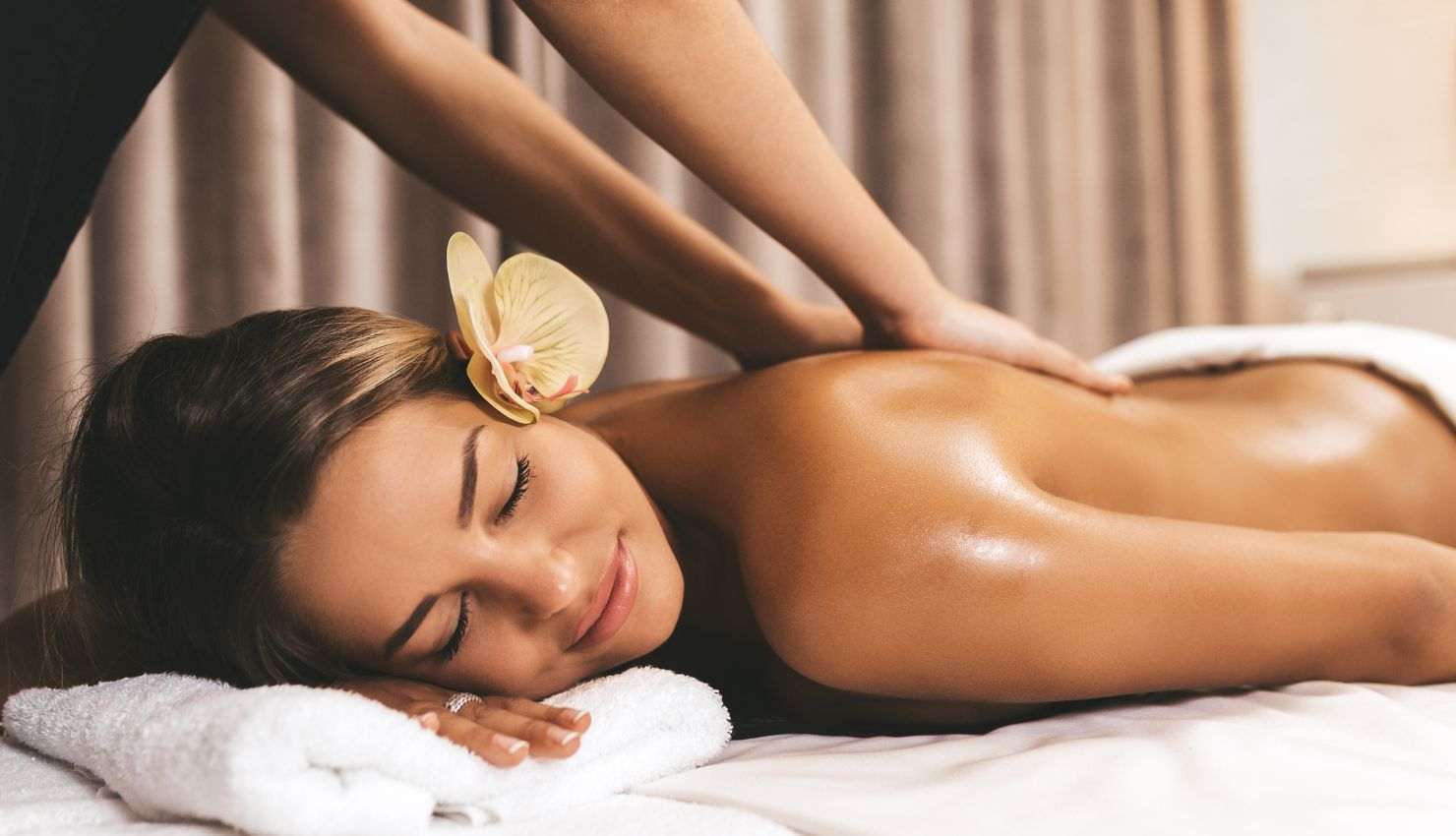
Massage therapy offers a time-tested, natural way to relieve muscle soreness after intense exercise. Lets explore how it works and why it should be a go-to recovery tool for anyone active or athletic.
What Causes Muscle Soreness?
The soreness you feel after exercise is often called delayed onset muscle soreness (DOMS). It typically develops within 24 to 48 hours after a workout and is caused by tiny microscopic tears in muscle fibers from unfamiliar or intense physical activity. This triggers inflammation, swelling, and muscle stiffness, which together cause that familiar ache.
How Massage Therapy Helps Relieve Soreness
Massage therapy helps combat DOMS through several key effects:
1. Increases Blood Flow and Oxygen Delivery
Massage stimulates circulation, bringing fresh oxygen and nutrients to tired muscles. This enhanced blood flow accelerates the removal of metabolic waste products like lactic acid, which can contribute to soreness.
2. Reduces Inflammation
By improving lymphatic drainage and promoting circulation, massage helps reduce swelling and inflammation in the affected muscles, easing pain and stiffness.
3. Relaxes Tight Muscles
After intense exercise, muscles often become tight and tense. Massage techniques like deep tissue or sports massage release this tension, promoting muscle relaxation and flexibility.
4. Breaks Up Adhesions and Scar Tissue
Exercise-related micro-tears can sometimes lead to the formation of adhesionsareas where muscle fibers stick together, restricting movement. Massage helps break down these adhesions, improving muscle function.
5. Stimulates the Nervous System for Pain Relief
Massage triggers the release of endorphins, the bodys natural painkillers, helping to reduce discomfort naturally without medication.
When to Get a Massage After Exercise
Timing can make a difference. A gentle massage within a few hours or the day after intense exercise is often ideal for reducing soreness. However, its important that the massage therapist tailors the session intensity to your needstoo much pressure too soon might irritate sore muscles.
Types of Massage Best for Muscle Soreness
Swedish Massage: Gentle and relaxing, perfect for reducing overall tension and promoting circulation.
Sports Massage: More targeted and intense, focusing on muscles used in your specific sport or activity.
Myofascial Release: Focuses on loosening tight fascia to improve muscle movement.
Deep Tissue Massage: Works on deeper muscle layers to release chronic tension and adhesions.
Additional Tips to Manage Muscle Soreness
Massage therapy works best alongside other recovery strategies:
Hydrate well to help flush out toxins.
Get enough rest and sleep to allow your muscles to repair.
Incorporate light stretching and gentle movement to keep muscles supple.
Use ice or heat as needed to manage pain and inflammation.
Why Professional Massage Matters
While self-massage and foam rollers are great tools, professional massage therapists have the training and knowledge to precisely target sore muscles, avoid aggravating injuries, and customize techniques for optimal recovery.
Final Thoughts
Muscle soreness doesnt have to slow you down or dampen your motivation. Massage therapy is a natural, effective way to reduce soreness, promote healing, and keep you moving comfortably. Whether youre an elite athlete or a weekend warrior, regular massage can help you recover faster and perform better.
If youre ready to bounce back quicker after intense workouts, consider adding massage therapy to your post-exercise recovery routine. Your muscles will thank you.