How Massage Therapy Helps with Muscle Recovery After Intense Activity brings new meaning to proactive care. Discover fresh strategies that promote movement and strength.

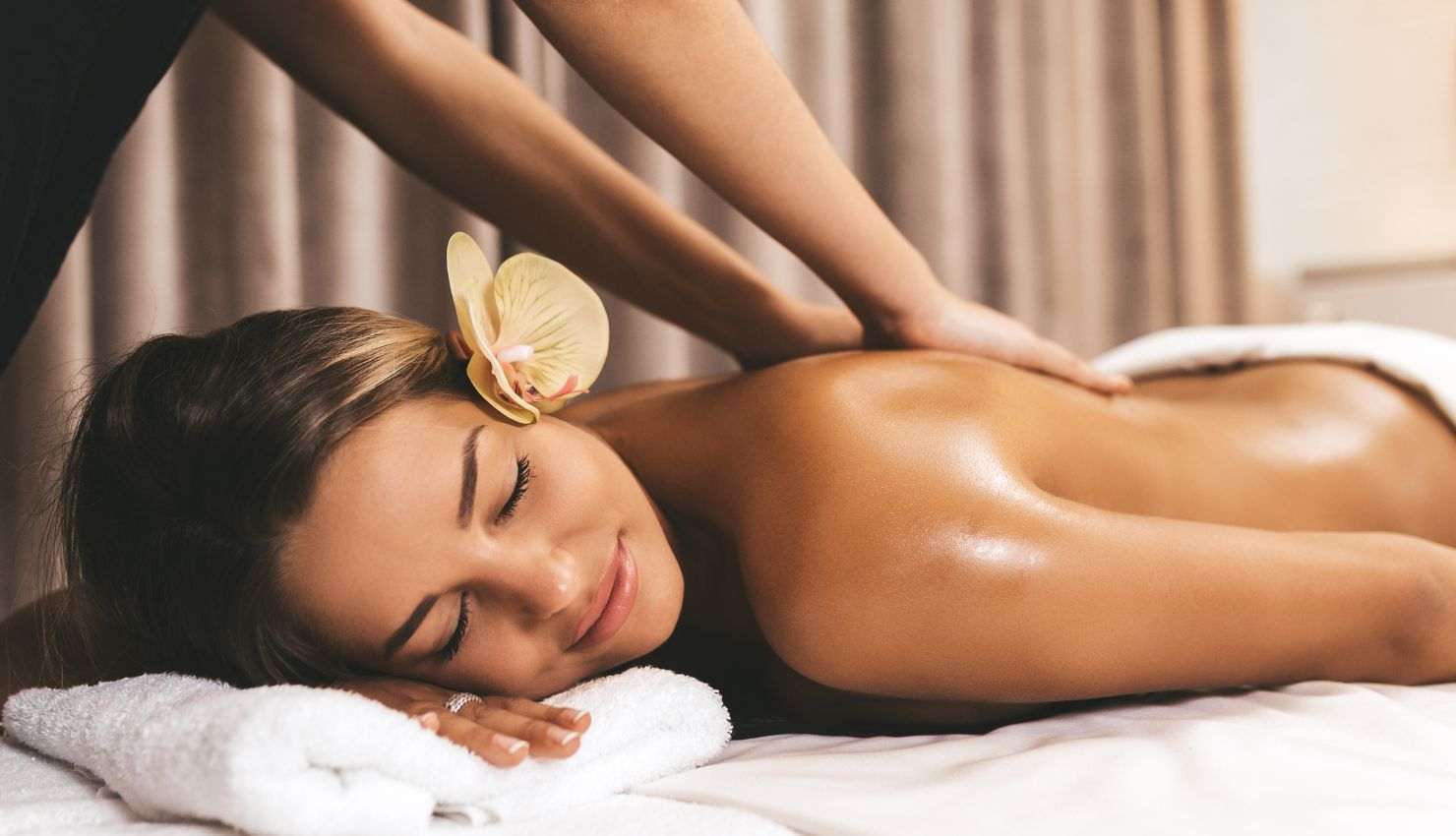
When it comes to pushing your body to the limitwhether youre an athlete, fitness enthusiast, or simply someone who engages in intense physical activitymuscle recovery is key to maintaining performance and preventing injury. One of the most effective and enjoyable ways to boost recovery is through massage therapy. Its more than just a relaxing treat; massage plays a critical role in helping your muscles repair, rejuvenate, and get ready for the next challenge.
Understanding Muscle Recovery After Intense Activity
After a tough workout or intense physical activity, your muscles undergo microscopic damage. This is a normal process called muscle trauma, where tiny tears in muscle fibers occur due to exertion. These tears trigger an inflammatory response and cause soreness, stiffness, and fatigue. Proper recovery allows these fibers to rebuild stronger, improving muscle endurance and performance.
But if recovery is rushed or neglected, muscles remain tight, inflamed, and vulnerable to injury. This is where massage therapy steps in as a powerful tool to enhance your bodys natural healing processes.
How Massage Therapy Supports Muscle Recovery
Massage therapy works on several levels to accelerate muscle recovery:
Improved Blood Circulation
When muscles are worked hard, they accumulate metabolic waste like lactic acid. Poor circulation can slow down the removal of these toxins, prolonging soreness and fatigue. Massage increases blood flow, bringing oxygen-rich blood to the muscles, which speeds up nutrient delivery and waste removal. Enhanced circulation also helps reduce inflammation and swelling.
Reduction of Muscle Tension and Tightness
After intense activity, muscles often tighten and develop knots known as trigger points. These tight spots can restrict movement and cause discomfort. Through targeted pressure and manipulation, massage breaks down adhesions and loosens tight muscles, restoring flexibility and range of motion.
Stimulation of the Lymphatic System
The lymphatic system plays a crucial role in clearing toxins and cellular waste from the body. Massage techniques that focus on lymphatic drainage encourage this process, reducing swelling and promoting faster recovery.
Decreased Delayed Onset Muscle Soreness (DOMS)
Many athletes experience DOMSmuscle pain and stiffness that peaks 24 to 72 hours post-exercise. Research shows that massage therapy can reduce the intensity and duration of DOMS by calming inflammation and improving muscle elasticity.
Promotion of Relaxation and Stress Relief
Physical stress from intense workouts is often accompanied by mental stress. Massage triggers the release of endorphins and serotonin, natural mood enhancers that help you feel more relaxed and reduce cortisol levelsthe bodys stress hormone that can impede recovery.
Types of Massage Beneficial for Muscle Recovery
Different massage techniques offer unique benefits for muscle recovery after intense activity:
Swedish Massage
This gentle, flowing massage improves circulation and relaxes muscles, ideal for overall recovery and stress relief.
Deep Tissue Massage
Focusing on deeper layers of muscle and connective tissue, this technique targets chronic muscle tension and tightness, perfect for athletes dealing with persistent soreness or injury.
Sports Massage
Designed specifically for active individuals, sports massage combines techniques like stretching, compression, and deep tissue work to enhance flexibility, reduce muscle fatigue, and prevent injuries.
Myofascial Release
This technique works on the fasciathe connective tissue surrounding musclesto release tightness and improve movement.
Integrating Massage Therapy Into Your Recovery Routine
Consistency is key to reaping the full benefits of massage therapy for muscle recovery. Here are some tips on how to make the most of it:
Schedule Regular Sessions
Whether its weekly or biweekly, regular massage sessions can help maintain muscle health and prevent buildup of tension.
Combine with Other Recovery Practices
Massage works best alongside hydration, proper nutrition, stretching, and rest.
Listen to Your Body
Communicate with your massage therapist about any areas of pain or tightness so they can tailor the session to your needs.
Use Self-Massage Techniques
Tools like foam rollers or massage balls can complement professional massage therapy by addressing muscle tightness between sessions.
Why Choose Professional Massage Therapy?
While self-massage can be helpful, nothing compares to the expertise and personalized care a trained massage therapist provides. They understand anatomy, injury prevention, and recovery techniques tailored to your activity level and goals. For those recovering from intense exercise or muscle strain, a professional massage therapist can offer targeted treatment plans that accelerate healing and improve overall function.
Final Thoughts
Incorporating massage therapy into your post-workout routine is more than a luxuryits a strategic choice for better muscle recovery, improved performance, and overall well-being. Whether youre recovering from a marathon, a heavy gym session, or intense physical labor, massage therapy helps your muscles heal faster, reduces soreness, and prepares you for whatever comes next.
So, next time youre feeling stiff or sore after an intense activity, remember that a massage isnt just about relaxationits a vital step in keeping your body strong, flexible, and ready to perform at its best.