Osteopathy Explained explores targeted strategies for recovery. Discover new paths to mobility, healing, and personalized care.

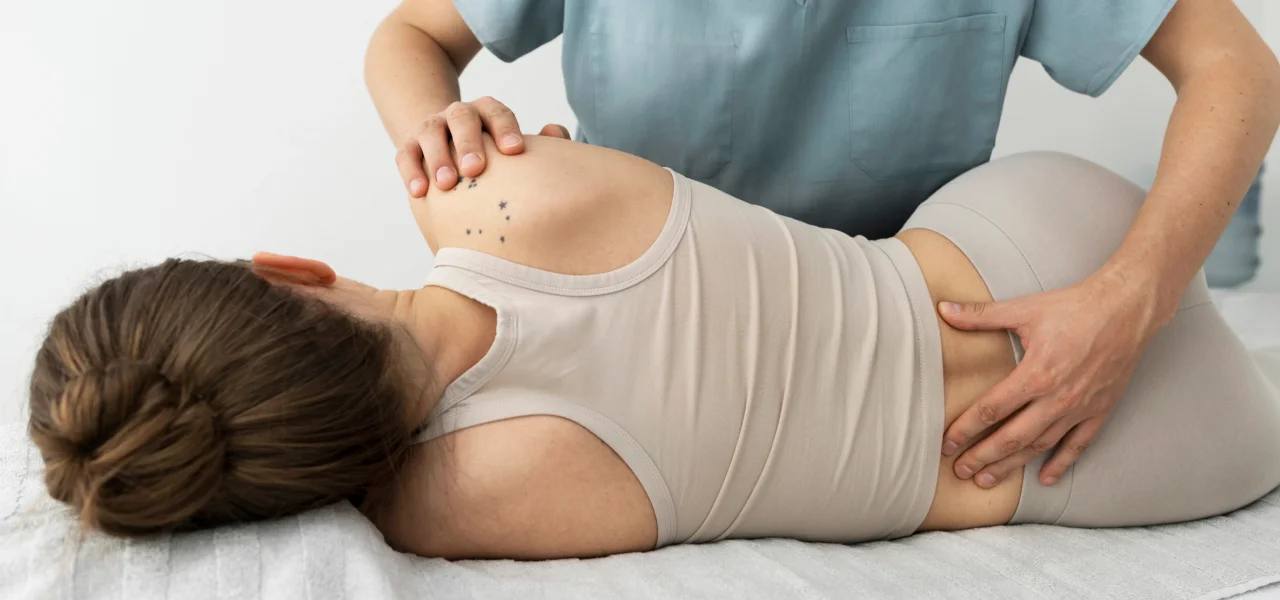
Osteopathy is a form of manual therapy that focuses on the bodys musculoskeletal systembones, muscles, joints, and connective tissueand how it connects with overall health. Developed in the late 1800s by Dr. Andrew Taylor Still, osteopathy is rooted in the belief that the body has an innate ability to heal itself when its in proper alignment and balance.
Think of your body as a finely tuned machine. When one part isnt functioning correctly, it can throw everything off. Osteopaths use hands-on techniques to assess and treat imbalances, with the goal of restoring movement, reducing pain, and improving overall function.
The Principles Behind Osteopathy
At its core, osteopathy is guided by a few simple but powerful principles:
The body is a unit: Every part of your body is connected. Physical, emotional, and structural health all work together.
Structure and function are interrelated: If your body is misaligned or restricted, it can affect how it functionsand vice versa.
The body has self-healing mechanisms: With the right support, your body can often heal itself without medications or surgery.
What Does an Osteopath Actually Do?
During a typical session, your osteopath will take time to understand your health history, lifestyle, and symptoms. Then, through a mix of observation, palpation (using their hands to feel your muscles and joints), and movement tests, theyll identify areas of tension, restriction, or misalignment.
Treatment may include:
Soft tissue massage to release muscle tension
Joint mobilization to improve flexibility and range of motion
Stretching techniques
Gentle manipulation of the spine or joints (similar to what chiropractors do, but generally more subtle)
Sessions are usually relaxing, and many people leave feeling lighter, looser, and more at ease in their bodies.
Who Can Benefit from Osteopathy?
Osteopathy is incredibly versatile and suitable for people of all ages, from newborns to seniors. Its commonly used for:
Back and neck pain
Joint and muscle stiffness
Postural issues
Headaches and migraines
Sports injuries
Pregnancy-related discomfort
Digestive issues (in some cases)
And the best part? Osteopathy doesnt just treat symptomsit aims to get to the root cause, helping you feel better for the long term.
Is It Safe?
Absolutely. Osteopathy is a regulated profession in many countries, with practitioners undergoing years of medical and hands-on training. Treatments are non-invasive and tailored to your individual needs. Your osteopath will always explain what theyre doing and check in with your comfort level throughout the session.
The Bottom Line
Osteopathy is all about empowering your body to heal itselfnaturally. Whether you’re recovering from an injury, dealing with chronic tension, or simply looking to feel more balanced, osteopathy offers a gentle, holistic path to wellness.
So, if you’re ready to move better, feel stronger, and live more comfortably, maybe it’s time to give osteopathy a try. Your body just might thank you.