The Role of Osteopathy in Pain Relief and Injury Recovery explores targeted strategies for recovery. Discover new paths to mobility, healing, and personalized care.

Lets be honestwhen pain hits, whether its from a sudden injury or something thats been brewing for a while, it can feel like your body is working against you. Everyday tasks become a chore, your energy dips, and you start to wonder if youll ever feel normal again. Thats where osteopathy steps in as a natural, hands-on approach to not just manage painbut to help your body recover and thrive.
So, how exactly does osteopathy help with pain relief and injury recovery? Lets take a closer look.
Osteopathy: Not Just a Massage, Not Quite a Doctors Visit
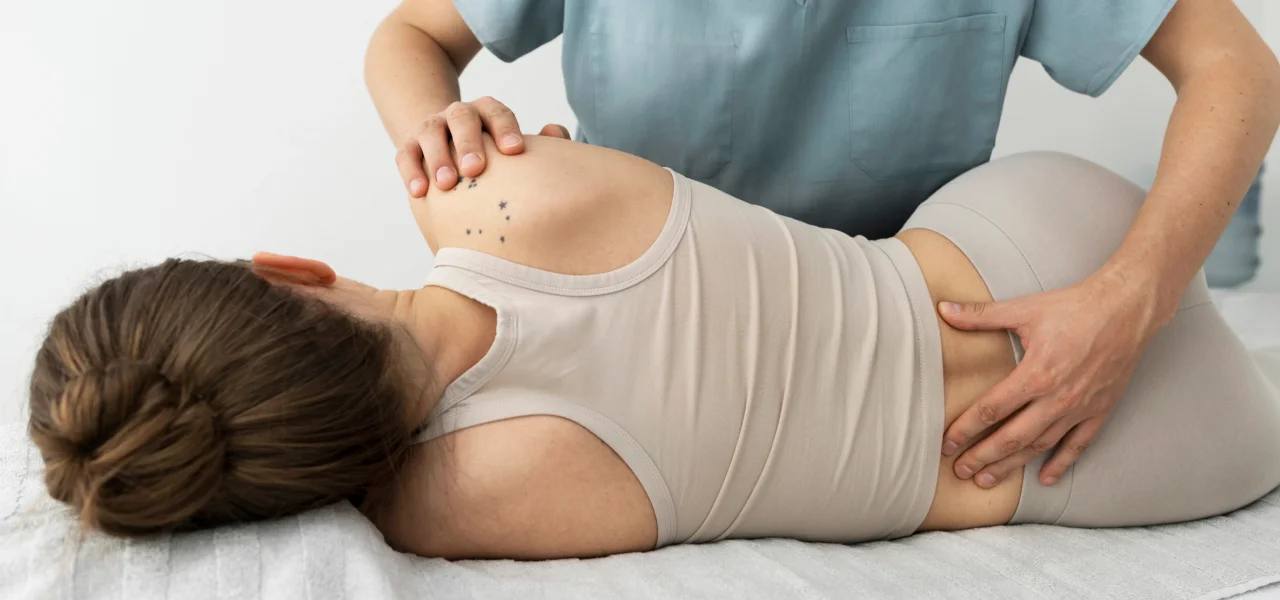
Osteopathy sits in a unique place in the world of healthcare. It blends science and manual therapy to treat the body as a whole. Osteopaths are trained professionals who understand anatomy, physiology, and biomechanicsand they use their hands to gently manipulate and mobilize the body to restore balance and function.
Unlike approaches that simply mask symptoms (hello, painkillers), osteopathy aims to address the underlying cause of pain, helping your body heal itself naturally.
Pain Relief: How Osteopathy Eases Discomfort
Whether its a sharp pain in your lower back, a throbbing shoulder, or aching knees after exercise, pain often stems from imbalances in the musculoskeletal system. When muscles are tight, joints are restricted, or posture is off, the body starts to compensateand thats when pain takes center stage.
Osteopaths use a range of techniques to relieve these issues, such as:
Soft tissue massage to release muscle tension
Joint articulation and mobilization to improve movement
Myofascial release to ease restrictions in connective tissue
Gentle manipulations to correct alignment issues
The result? Less tension, better circulation, and reduced inflammationall of which contribute to noticeable pain relief.
Injury Recovery: Helping the Body Bounce Back
Recovering from an injurywhether its a sprained ankle, a sports strain, or a repetitive stress injuryis about more than just healing the hurt area. The entire body needs to be considered, especially if compensation patterns have developed.
Osteopathy plays a key role in supporting injury recovery by:
Improving mobility in and around the injury site
Restoring balance to reduce further strain or reinjury
Supporting circulation and lymphatic flow to speed up healing
Reducing scar tissue adhesions and stiffness over time
Its also incredibly helpful in post-surgical recovery or after periods of immobilization (like wearing a cast). The body loves to moveand osteopathy helps you get back to doing that safely and smoothly.
Whole-Body Healing
One of the biggest benefits of osteopathy is its whole-body approach. Osteopaths look beyond the area that hurts to understand how the rest of your body is responding. For example, a knee injury might be affecting how you walk, which then stresses your hips and lower back.
By treating the root cause and not just the symptoms, osteopathy helps create a more sustainable path to recovery.
What Conditions Can Osteopathy Help With?
Here are just a few examples of where osteopathy can make a real difference:
Back and neck pain
Sports injuries (like strains, sprains, and tendonitis)
Whiplash and repetitive strain injuries
Postural problems from long hours at a desk
Joint pain and stiffness (including arthritis-related discomfort)
Recovery from falls, trauma, or surgery
Whether youre dealing with a fresh injury or the lingering effects of an old one, osteopathy can help your body get back on track.
Is It Safe?
Yes! Osteopathy is a gentle, non-invasive treatment option suitable for people of all ages. Each session is customized to suit your specific condition, level of pain, and stage of recovery. Your osteopath will always explain what they’re doing and work within your comfort zone.
Final Thoughts: Healing with Purpose
Pain and injury can take a real tollnot just physically, but mentally and emotionally. Osteopathy offers a supportive, holistic way to help your body feel better, move better, and recover more naturally.
If youre looking for a safe, drug-free option that focuses on your whole bodynot just the sore spotsosteopathy might just be the missing piece in your recovery journey.