Structural Integration explores targeted strategies for recovery. Discover new paths to mobility, healing, and personalized care.

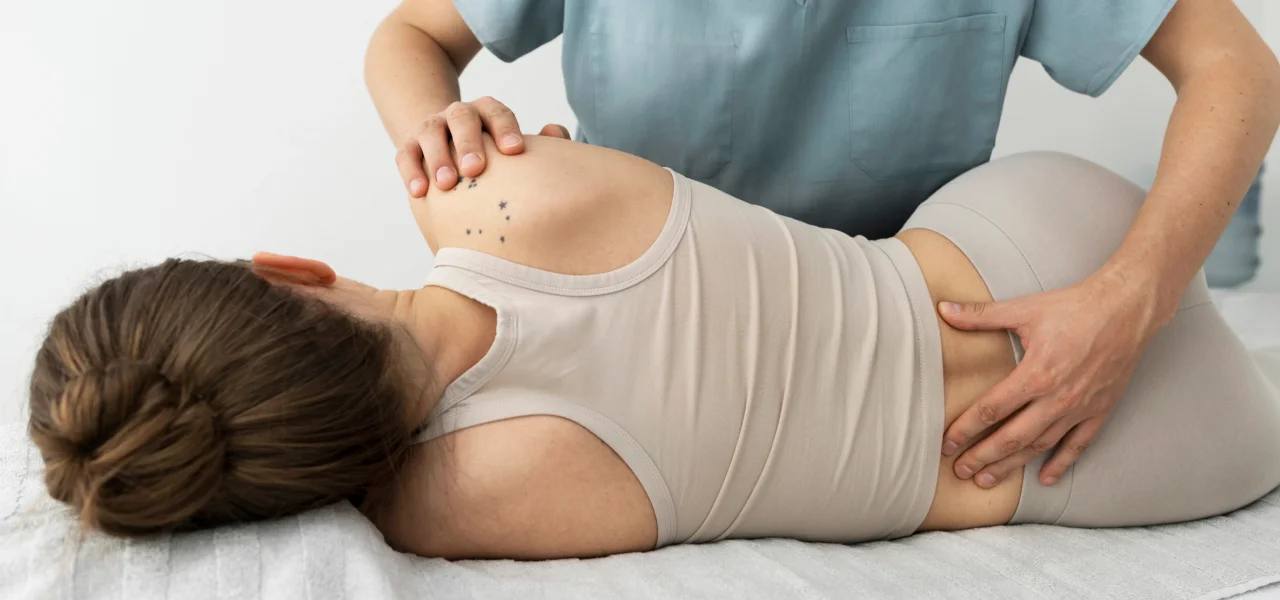
If you’ve ever felt stiff, stuck, or like your body just isnt moving the way it used to, you’re not alone. Whether it’s from long hours at a desk, old injuries, or simply the wear and tear of daily life, our bodies tend to collect tension over time. The good news? Structural Integration is a powerful, holistic approach designed to help you move more freely, feel more balanced, and reconnect with your body’s natural fluidity.
So, what exactly is Structural Integrationand how can it help you feel more flexible and mobile? Lets dive in.
What is Structural Integration?
Structural Integration is a form of hands-on bodywork that focuses on improving the alignment and movement of the body by working with the fasciathe connective tissue that surrounds and supports muscles, bones, and organs.
You can think of fascia like the bodys internal scaffolding. When it’s healthy and flexible, everything moves smoothly. But when it becomes tight or restricteddue to poor posture, injuries, stress, or repetitive motionsit can limit movement, cause discomfort, and throw the body out of alignment.
Structural Integration works to release these fascial restrictions, helping your body return to its natural posture and range of motion.
Flexibility: More Than Just Stretching
A lot of people think improving flexibility is just about stretching more. But heres the thingif your fascia is tight or bound up, your muscles can only stretch so far, no matter how hard you try. Thats why Structural Integration goes deeper.
By working directly with the fascia, practitioners can help:
Lengthen and loosen tight tissues
Break up adhesions and scar tissue
Restore space and movement between muscles and joints
This allows your muscles to move more freely and reduces the feeling of stiffness or being stuck in your body.
Movement: Relearning How to Move with Ease
One of the amazing benefits of Structural Integration is how it helps you become more aware of how you move. Many of us develop unconscious habitslike slouching, limping, or favoring one sidethat can lead to long-term imbalances.
Through a series of sessions (often structured as a 10-session program), Structural Integration doesnt just work on your bodyit teaches it. Youll begin to:
Move with less effort
Stand and sit more naturally
Feel more grounded and stable
Use your body more efficiently during exercise or daily tasks
The goal is not just to feel better temporarilybut to retrain your body for better movement patterns in the long run.
Who Can Benefit?
Structural Integration is suitable for a wide range of people, including:
Office workers with poor posture and back pain
Athletes and dancers looking to improve performance and prevent injuries
People recovering from injury or surgery
Anyone feeling chronically stiff, tight, or imbalanced
Its a gentle, yet deeply effective way to support your bodyno matter your age or activity level.
A Holistic Approach to Body Wellness
What sets Structural Integration apart is its whole-body perspective. It doesnt just treat symptomsit explores how different parts of your body relate to one another. A tight ankle, for example, might affect your hips. A forward head posture might be linked to tightness in your chest or upper back.
By addressing the root causes of tension and imbalance, Structural Integration helps restore a sense of ease and connection throughout your entire body.
Final Thoughts: Move Better, Feel Better
At the end of the day, your body was designed to move with ease, strength, and grace. Structural Integration helps you reconnect with that natural designby freeing restrictions, improving flexibility, and enhancing the way your body functions as a whole.
If youre ready to move better, breathe deeper, and feel more at home in your body, Structural Integration might just be the reset your body needs.