The Role of Structural Integration in Injury Recovery and Prevention explores targeted strategies for recovery. Discover new paths to mobility, healing, and personalized care.

Whether you’re a dedicated athlete, a weekend warrior, or just someone trying to move through life with a little more ease, injury is one of those setbacks we all hope to avoid. But when it does happenwhether its a pulled muscle, a sprained joint, or a nagging ache that wont go awaygetting your body back on track is priority number one.
Thats where Structural Integration (SI) comes in. This powerful, hands-on therapy doesnt just help you recover from injuryit also plays a key role in preventing future ones by restoring balance, improving movement, and helping your body function as one connected, integrated whole.
Lets take a closer look at how Structural Integration supports both injury recovery and prevention.
First, What Is Structural Integration?
Structural Integration is a form of manual therapy that works with the bodys fasciathe connective tissue that surrounds your muscles, bones, and organs. When fascia gets tight or imbalanced (which can happen after injury, poor posture, stress, or overuse), it can throw your whole system out of alignment.
Developed by Dr. Ida Rolf, SI is a series of hands-on sessions designed to reorganize your bodys structure, bringing it back into alignment with gravity so you can move more freely, efficiently, and pain-free.
How Structural Integration Supports Injury Recovery
?? 1. Releases Fascial Restrictions After Trauma
Injuries often leave behind residual tension and scar tissue that restrict movement and disrupt normal function. SI helps release those restrictions, allowing tissues to regain elasticity and flexibility.
?? 2. Restores Natural Movement Patterns
After an injury, your body often compensates by favoring one side, overusing certain muscles, or shifting your weight differently. While this helps in the short term, it can lead to imbalanced movement and further injury over time. Structural Integration works to correct these patterns and retrain your body to move properly again.
?? 3. Improves Circulation and Healing
By freeing up restricted areas and promoting better posture and alignment, SI helps improve blood flow and lymphatic drainage, which supports the bodys natural healing processes.
?? 4. Reduces Chronic Tension and Pain
Even long after the initial injury has healed, lingering tightness or misalignment can cause pain and limit performance. SI targets those deep, hidden holding patterns, helping your body truly let go and return to a state of balance.
Injury Prevention: Why SI Is Proactive, Not Just Reactive
?? 1. Builds Structural Balance and Symmetry
When your body is properly aligned, stress is evenly distributed across joints and muscles. This reduces the risk of strain, overuse injuries, and joint degeneration down the road.
?? 2. Enhances Mobility and Flexibility
Restricted fascia can limit your range of motion and make you more prone to tears or pulls. SI works to lengthen and hydrate fascia, improving mobility and making your body more resilient.
?? 3. Improves Body Awareness
One of the hidden benefits of SI is increased proprioceptionyour ability to sense how your body is moving and where it is in space. This greater awareness means better coordination, posture, and injury avoidance.
?? 4. Supports Better Movement Mechanics
When your body is organized and efficient, you move with less effort and more control. That means fewer awkward movements, fewer risky compensations, and a much lower chance of hurting yourself during everyday tasks or workouts.
Ideal for a Wide Range of People
Structural Integration can benefit:
Athletes and dancers looking to optimize performance and stay injury-free
Post-surgical patients regaining mobility
Desk workers with postural strain
Older adults aiming to maintain independence and avoid falls
Anyone recovering from or looking to prevent soft tissue injuries
What to Expect During a Session
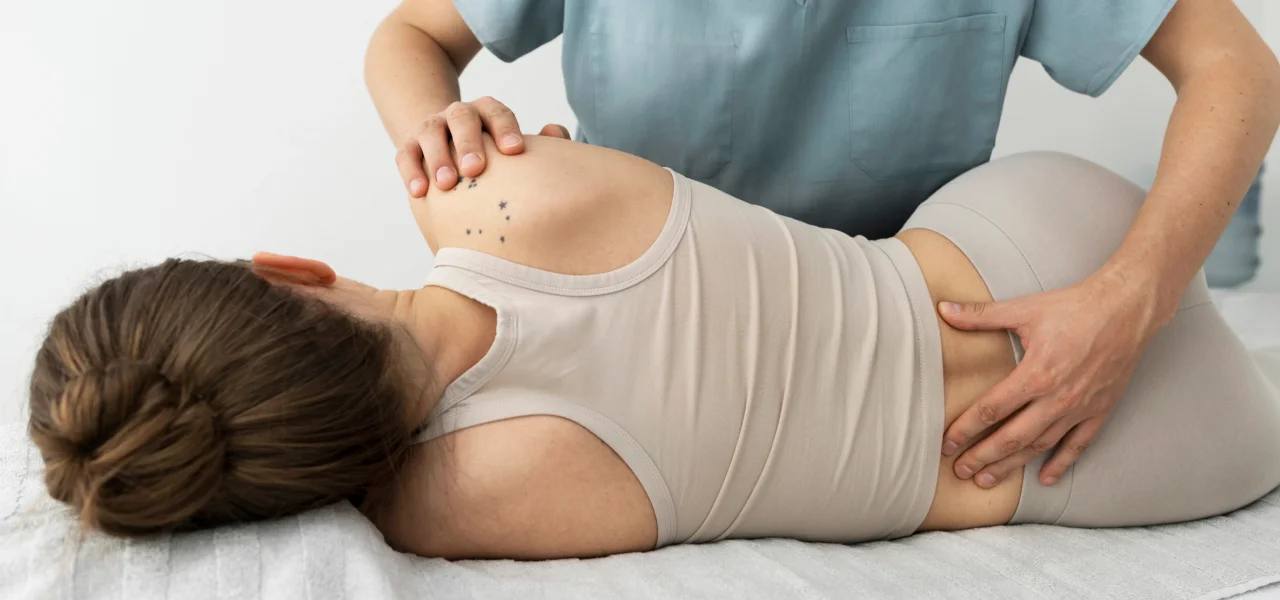
SI is typically done as a 10-session series, where each session targets a specific layer or region of the body. Its more focused than a massage and aims to create structural changenot just relaxation. Your practitioner will use slow, deep pressure and may guide you through movements to help integrate changes into your bodys everyday patterns.
Most people report feeling lighter, more upright, and more groundedeven after the first few sessions.
Final Thoughts: Healing and Strength From the Inside Out
Structural Integration isnt just about recoveryits about rebuilding a stronger, more balanced version of your body. By addressing the underlying tensions and imbalances that lead to injury in the first place, SI sets the stage for long-term resilience, mobility, and freedom of movement.
If youre healing from an injury or want to stop the next one before it starts, Structural Integration could be the smartest step you take.