How Osteopathy Helps Correct Postural Imbalances explores targeted strategies for recovery. Discover new paths to mobility, healing, and personalized care.

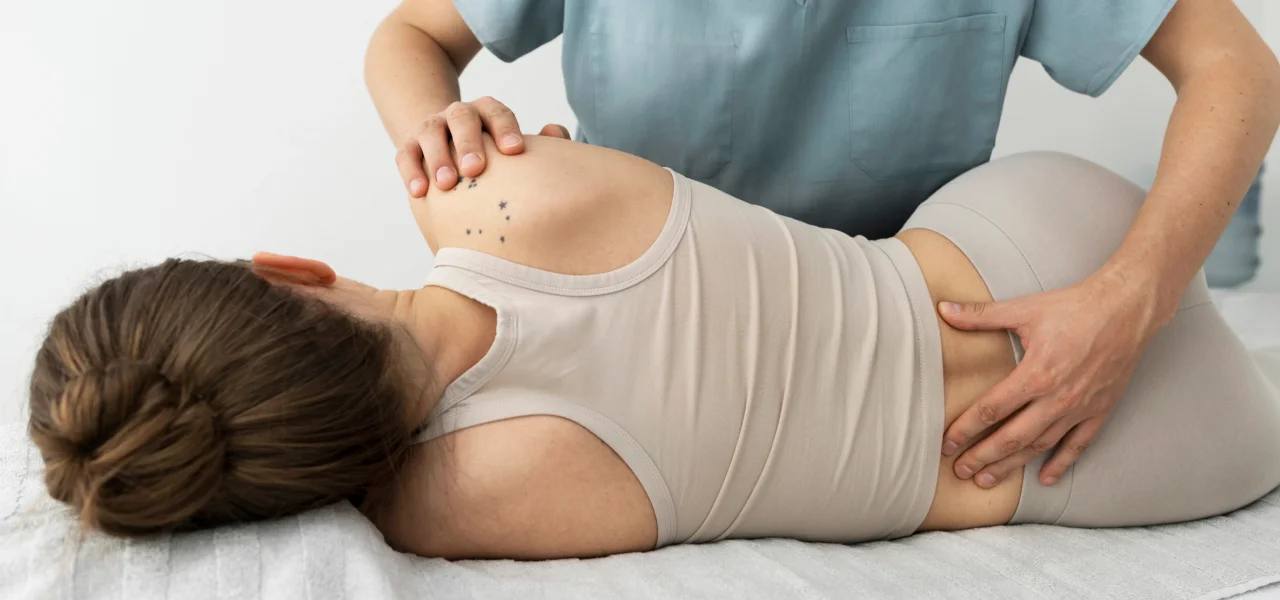
Ever caught yourself hunched over your desk or leaning to one side while standing? Youre not alone! Postural imbalances are more common than youd think, and they can sneak up on youthanks to long hours at a computer, poor sleeping positions, injuries, or even stress. Thats where osteopathy comes into playa hands-on, holistic approach to helping your body get back into balance.
First, What Are Postural Imbalances?
Postural imbalances happen when the natural alignment of your bones and muscles gets a bit out of whack. This might show up as rounded shoulders, a tilted pelvis, or even one hip higher than the other. Over time, these imbalances can lead to chronic pain, reduced mobility, fatigue, and sometimes even digestive or breathing issues (yes, posture affects more than just your back!).
Enter Osteopathy: Your Postures Best Friend
Osteopathy is all about treating the body as a whole. Osteopaths use gentle, hands-on techniques to improve how your muscles, joints, ligaments, and even organs function together. Instead of just focusing on symptoms, they look for the root cause of the issueoften hidden in your posture.
Heres how osteopathy helps:
1. Assessment of Your Entire Body
An osteopath doesnt just look at where it hurtsthey assess your whole body, including your spine, hips, knees, feet, and even your jaw. This comprehensive approach helps them identify imbalances and compensations that might be throwing off your posture.
2. Manual Adjustments and Mobilisation
Using techniques like soft tissue massage, joint articulation, and gentle manipulations, osteopaths help realign your musculoskeletal system. This restores normal movement and helps release tight muscles that might be pulling you out of alignment.
3. Rebalancing Muscles and Joints
When certain muscles are tight and overworked, others may become weak or underused. Osteopathy works to restore this balance, improving coordination and allowing your body to maintain a more neutral, upright position.
4. Addressing the Cause, Not Just the Symptom
Often, a postural issue in one area is caused by a problem elsewherelike lower back pain caused by tight hip flexors. Osteopaths treat the body as an interconnected system, targeting the origin of the imbalance instead of just relieving surface-level discomfort.
5. Lifestyle and Postural Advice
Beyond the treatment room, osteopaths give you practical advice on posture correction, ergonomic setups, stretching, and strengthening exercises. Theyll also guide you on how to sit, stand, sleep, and move more mindfully in your day-to-day life.
What Conditions Can Be Helped?
Osteopathy is particularly effective for:
Back and neck pain
Sciatica
Shoulder and hip imbalances
Repetitive strain injuries
Tension headaches linked to posture
Pregnancy-related posture issues
Final Thoughts
Correcting postural imbalances isnt just about looking taller or straighterits about reducing strain, preventing injury, and feeling more comfortable in your own body. Osteopathy offers a gentle, tailored path to better posture and better overall health.
If youve been feeling out of alignment, maybe its time to let an osteopath take a look. Your spineand your whole bodywill thank you!