The Connection Between Osteopathy and Structural Integration explores targeted strategies for recovery. Discover new paths to mobility, healing, and personalized care.

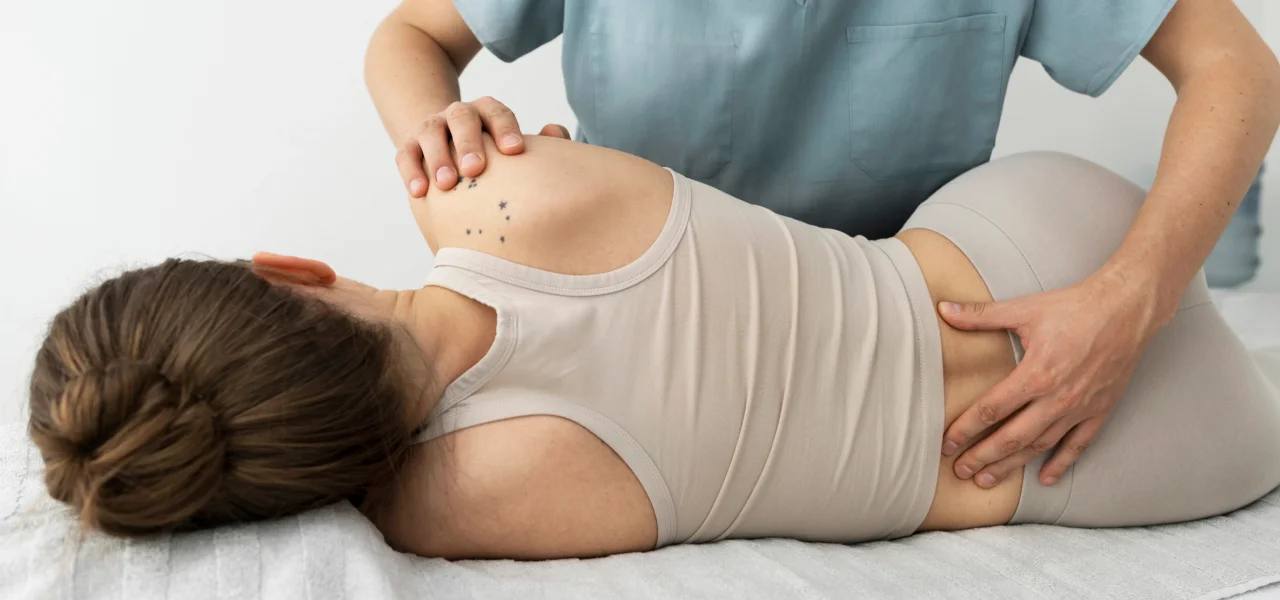
Ever wonder how different bodywork therapies compareor even complement each other? If you’ve heard of both osteopathy and structural integration, you might be wondering how they overlap, differ, or work together. Spoiler alert: they share a lot in common when it comes to improving posture, movement, and overall wellbeing.
Lets break it down in a way thats easy to understand.
What Is Osteopathy?
Osteopathy is a form of manual therapy that focuses on how your bones, muscles, joints, and internal systems function as a whole. Think of it as a holistic tune-up for your body. Osteopaths use hands-on techniqueslike soft tissue release, joint mobilisation, and gentle manipulationsto improve your bodys structure and restore natural movement. They also consider how lifestyle, stress, and even digestion can play into physical imbalances.
What Is Structural Integration?
Structural Integration (often associated with Rolfing) is a form of bodywork that focuses on aligning and balancing the body within gravity. It works specifically with the fasciathe connective tissue that surrounds your muscles and organs. Over a series of sessions, practitioners use deep tissue techniques to reorganize the fascia, helping your body find a more upright, effortless alignment.
The Common Ground: Alignment and Balance
Heres where osteopathy and structural integration really connect:
Both aim to restore structural harmony in the body.
Whole-body approach? Check.
Focus on alignment and posture? Absolutely.
Personalized to your bodys needs? 100%.
Where osteopathy might focus more on joint mobility, nervous system function, and organ health, structural integration homes in on the fascia and how your body holds itself upright over time. Yet, both therapies share a belief that structure governs functionmeaning when your body is aligned properly, everything works better.
Fascia: The Link Between the Two
Fascia is the unsung hero in both worlds. Osteopaths regularly work with fascia to release restrictions and improve mobility. In structural integration, fascia is the main focusits about melting through layers of tension and reshaping how the body moves and feels in gravity.
Complementary, Not Competitive
One isnt better than the othertheyre just different approaches with overlapping philosophies. Many people benefit from combining the two, especially when dealing with:
Chronic postural issues
Muscular tension or pain
Limited range of motion
Old injuries or scar tissue
A desire for deeper body awareness and balance
A Quick Comparison:
Osteopathy Structural Integration
Focus Joints, muscles, fascia, organs Fascia and postural alignment
Approach Gentle, medical/manual therapy Deep tissue, structured sessions
Goal Restore natural function & ease Re-align body within gravity
Sessions As needed Typically a 10-session series
Final Thoughts
Whether youre looking to relieve chronic pain, improve your posture, or just move with more ease, both osteopathy and structural integration offer powerful, holistic solutions. You dont have to choose one or the othermany people find the best results when the two are used together, like a well-choreographed dance of structure and flow.
Curious which approach is right for you? A qualified osteopath or structural integration practitioner can guide you based on your unique body and goals.