The Science Behind Osteopathy explores targeted strategies for recovery. Discover new paths to mobility, healing, and personalized care.

Ever wish your body could just fix itself?
Heres the good news: it canand osteopathy is built around that exact idea.
Osteopathy is a hands-on, whole-body therapy that supports your bodys natural ability to heal. It combines a deep understanding of anatomy and physiology with gentle manual techniques to restore balance, relieve pain, and improve function.
Lets take a closer look at the science behind osteopathy, and why its becoming a go-to for people seeking natural, long-lasting relief.
?? What Is Osteopathy?
Osteopathy (or osteopathic manual therapy) is a form of healthcare that focuses on how your muscles, bones, joints, fascia, and internal systems all work together. Its based on the principle that structure and function are interconnectedmeaning if one part is out of balance, it can affect your entire system.
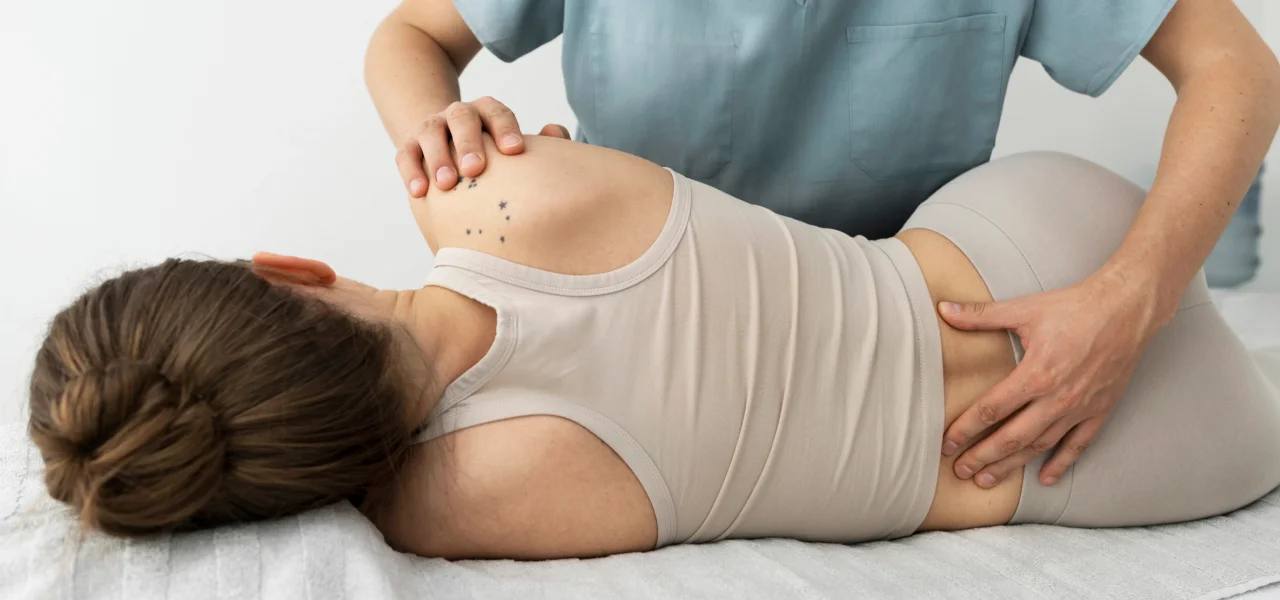
Osteopaths use their hands to gently assess, diagnose, and treat areas of restriction or imbalance in the body. But this isnt your typical crack-and-go adjustmentosteopathy is often subtle, specific, and deeply restorative.
?? The Core Principles of Osteopathy (And Why They Matter)
Osteopathy is grounded in a few key ideas that are backed by solid science and clinical experience:
1. The Body Is a Unit
This means every part of your body is connected. If you have knee pain, it could stem from your hip, ankle, or even your posture. Osteopathy looks at the whole picture, not just the symptoms.
2. Structure Affects Function
If your spine is compressed or a joint isnt moving well, it can restrict blood flow, nerve signals, or lymphatic drainage. Osteopathic treatment helps restore optimal movement, which helps your body function better on every level.
3. The Body Has Self-Healing Mechanisms
Your body is always trying to heal itselfbut it needs the right environment to do so. Osteopathy removes the roadblocks (like tension, inflammation, or restricted movement) so your natural healing can take over.
?? The Science Behind How It Works
Heres whats happening behind the scenes when you receive osteopathic treatment:
? Improved Circulation
Gentle manipulations help increase blood flow to tissues and organs, bringing in oxygen and nutrients while flushing out waste. This speeds up healing and reduces inflammation.
? Nervous System Regulation
Osteopathy has a calming effect on the autonomic nervous system, especially the parasympathetic side (rest and digest). That means lower stress levels, improved digestion, and better sleep.
? Fascia and Muscle Release
Osteopaths work with fascia, the connective tissue network that holds everything in place. Releasing restrictions in fascia can reduce chronic tension and help restore balance and mobility.
? Joint Mobility and Alignment
Targeted techniques help realign joints and restore their natural movement patternsrelieving pressure on surrounding muscles and nerves.
?? What Conditions Can Osteopathy Help With?
Because osteopathy is holistic, it can help with a wide range of issues, including:
Back and neck pain
Joint pain (shoulders, hips, knees, etc.)
Headaches and migraines
Digestive discomfort
Postural problems
TMJ/jaw tension
Chronic fatigue
Sports and work injuries
Prenatal and postpartum discomfort
Its also great for preventive care, keeping your body in alignment before discomfort starts.
?? What Happens in a Typical Session?
Osteopathic sessions are personalized and hands-on. Here’s what you can expect:
Detailed Health History Your practitioner will ask about your symptoms, lifestyle, and medical history.
Physical Assessment Gentle testing of movement, posture, and tension patterns.
Manual Therapy Using soft tissue work, joint mobilization, cranial techniques, or visceral manipulation to treat imbalances.
Aftercare Advice You might get tips for posture, breathing, hydration, or movement to support your healing between sessions.
Most people leave feeling lighter, looser, and more grounded.
?? Why Choose Osteopathy?
What sets osteopathy apart is its respect for the bodys wisdom. Instead of forcing change, it invites your body to find balance, guiding it back to a place where healing happens naturally.
Its gentle, effective, and supported by scienceand often, it brings relief where other methods have fallen short.
?? Final Thought: Your Body Knows How to Heal
Osteopathy doesnt just treat symptomsit treats you. By restoring balance to your bodys structure, it gives your system the space and support it needs to repair, rebuild, and realign.
If youre looking for a safe, natural approach to feeling better in your body, osteopathy might be exactly what you need.