Why Osteopathy Is Essential for Preventing and Treating Back Pain explores targeted strategies for recovery. Discover new paths to mobility, healing, and personalized care.

Lets be honestheadaches and migraines can stop you in your tracks. Whether its that dull, nagging ache at your temples or a full-blown migraine with sensitivity to light, sound, and the world in general, head pain isnt just uncomfortableits exhausting.
While many people reach for painkillers to get through the day, more and more are turning to osteopathy for a gentler, more sustainable way to manage headaches and migraines. Why? Because osteopathy gets to the root causenot just the symptoms.
Lets explore how it works.
First, What Causes Headaches and Migraines?
There are dozens of headache types, but some common culprits include:
Tension in the neck, shoulders, or jaw
Poor posture, especially from desk work
Stress and muscle tightness
Sinus congestion
Circulatory or nerve irritation
Hormonal imbalances
Temporomandibular joint (TMJ) dysfunction
Migraines are a bit more complex, often involving neurological and vascular changes in the brain, and they can be triggered by anything from food and light to hormones and stress.
Heres where osteopathy comes in: by gently releasing physical tension, improving circulation, and calming the nervous system, it can help reduce the frequency, intensity, and duration of both headaches and migraines.
How Osteopathy Can Help
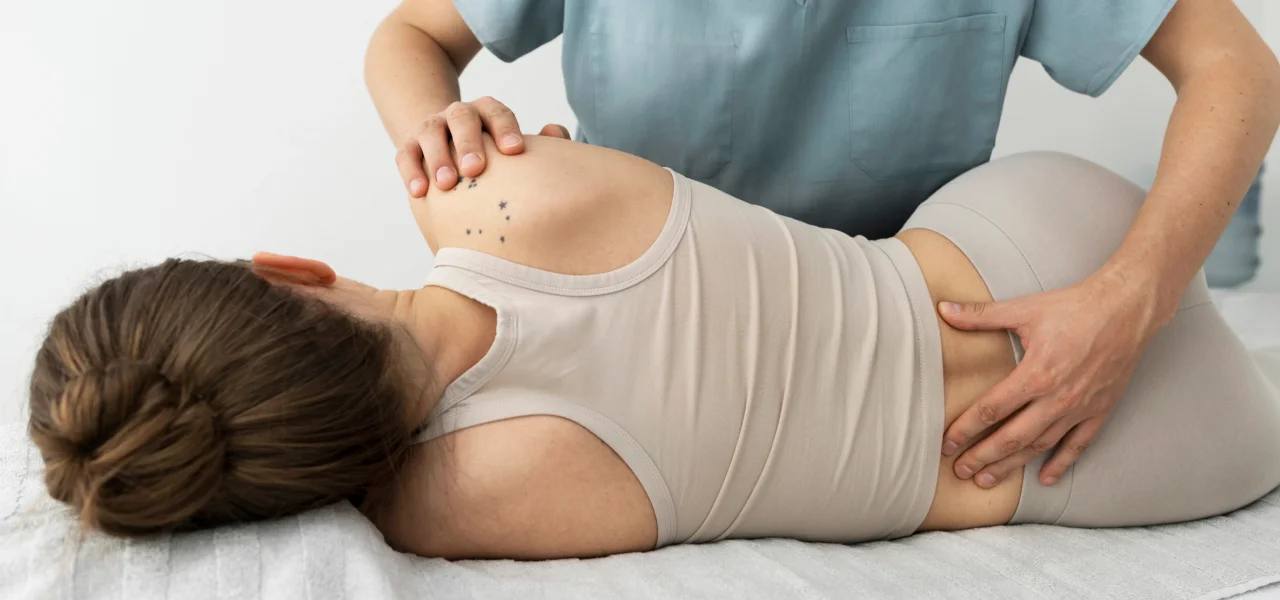
Osteopathy takes a whole-body approach, which is ideal for conditions like headaches that often have multiple triggers. Rather than focusing only on the head, osteopaths assess and treat areas that may be contributing to your painlike your neck, spine, jaw, or even your breathing pattern.
1. Releasing Muscle Tension
Tight muscles in your neck, shoulders, or upper back can pull on your skull and restrict blood flow, leading to tension headaches. Osteopaths use gentle manual techniques to release this tension, helping reduce pressure and discomfort.
2. Improving Circulation
Restricted blood flow can play a role in migraines and certain headache types. Osteopathic treatment encourages healthy blood and lymphatic flow, which supports brain function and reduces pressure buildup.
3. Addressing Postural Issues
Poor postureespecially from sitting at a computer or looking down at your phonecan strain the neck and upper back. Osteopaths work to correct postural imbalances, reduce strain on your spine, and support better head and neck alignment.
4. Supporting the Nervous System
Osteopathy also helps regulate the autonomic nervous system, which is often overactive in people prone to migraines. By calming the system, osteopathy may help reduce the frequency and severity of attacks.
5. Jaw (TMJ) and Cranial Work
If your headaches stem from jaw clenching, grinding, or TMJ dysfunction, osteopaths can apply cranial and facial techniques to relieve tension in the jaw, temples, and base of the skullcommon sites for pain referral.
Types of Headaches Osteopathy Can Help With:
Tension headaches
Cervicogenic headaches (originating from the neck)
Sinus-related headaches
TMJ-related headaches
Migraines (with or without aura)
Cluster headaches (supportive care during non-acute phases)
?? Note: While osteopathy can be very effective, its best used alongside medical care for migraines, especially in cases with neurological symptoms.
What to Expect in a Session
A typical osteopathic session for headache or migraine relief includes:
A full postural and physical assessment
Gentle hands-on techniques to release tight muscles and fascia
Specific work around the neck, shoulders, jaw, and spine
Lifestyle and posture advice to help prevent future flare-ups
Breathing or relaxation techniques to reduce tension
Final Thoughts
Headaches and migraines can feel overwhelmingbut they dont have to control your life. Osteopathy offers a gentle, drug-free approach that not only treats your symptoms but also targets the underlying causes, helping your body find its own balance again.
If youre tired of living in fear of your next headache, it might be time to try osteopathy. Relief could be just one gentle treatment away.