How Structural Integration Helps Align Your Body for Better Movement explores targeted strategies for recovery. Discover new paths to mobility, healing, and personalized care.

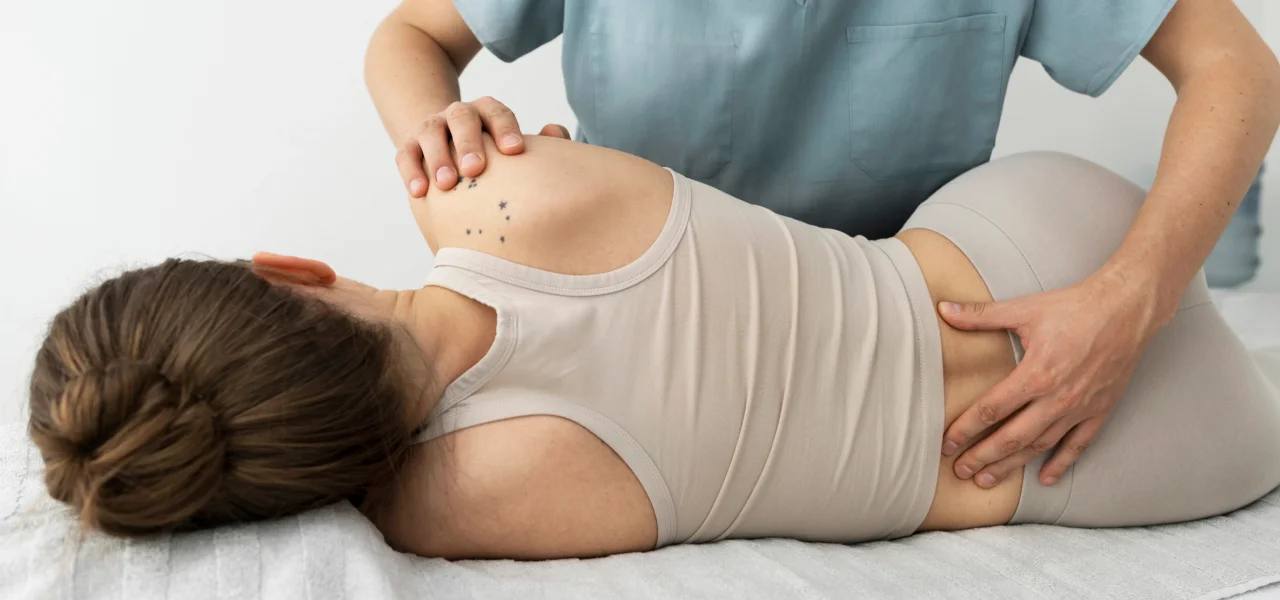
When your body is balanced, movement becomes effortless.
Do you ever feel like moving your body takes more effort than it should? Maybe your stride feels uneven, your hips are tight, or you always carry tension in your shouldersno matter how much you stretch. The truth is, when your body is out of alignment, every movement can become harder, less efficient, and even painful over time.
Thats where Structural Integration (SI) comes in. Its not just deep tissue massageits a methodical, transformative process that works with your bodys connective tissue (called fascia) to help you move the way your body was meant to: with ease, balance, and flow.
Lets take a closer look at how Structural Integration helps bring your body into alignment for better, more natural movement.
First, What Is Structural Integration?
Structural Integration is a form of manual therapy focused on realigning your body within the field of gravity. It was developed by Dr. Ida Rolf, who believed that imbalances in the bodys structureespecially in the fascialead to poor posture, pain, and restricted movement.
Over a series of sessions (often called the 10-Series), a practitioner works through the body in layers, releasing chronic tension, improving alignment, and teaching your body new ways to move and support itself.
Why Alignment Matters for Movement
When your body is well-aligned:
Joints function more freely
Muscles dont overcompensate
Movement becomes smoother and less tiring
Youre less prone to injury
You experience less pain and strain
But when youre out of alignmentwhether from injury, poor posture, or long-term habitsmovement becomes clunky, uneven, and inefficient. SI works to restore your bodys natural blueprint so you can move with greater ease and grace.
How Structural Integration Improves Movement
1. Releases Tension in the Fascia
Fascia is the connective tissue that holds everything in your body together. When it becomes tight or stuck, it can restrict movement and pull your body out of alignment. SI uses slow, deliberate pressure to release fascial adhesions, freeing up your muscles and joints to move the way theyre meant to.
2. Balances the Bodys Segments
SI doesnt treat symptoms in isolationit looks at how your entire body is stacked and connected. A tight ankle might be affecting your hip. A forward head posture might be contributing to shoulder strain. SI practitioners work to balance all the bodys segmentsfrom feet to crownso your movement feels more integrated and supported.
3. Improves Joint Function
When muscles and fascia are balanced, joints can move freely without being pulled off-center. SI helps restore healthy joint mechanics, especially in high-movement areas like the hips, shoulders, knees, and spine.
4. Enhances Body Awareness and Movement Patterns
SI isnt just something done to youits an educational process. Youll become more aware of how you stand, walk, and sit. Your practitioner will help you retrain inefficient or harmful movement habits so that your new alignment sticks long after your sessions end.
5. Supports Long-Term Mobility and Performance
Whether youre an athlete, a yogi, a dancer, or just someone who wants to move through life with less effort, SI can enhance your physical performance by making your body more responsive, balanced, and efficient.
Real Benefits You Might Notice:
A smoother walking gait
Better posture without forcing it
Deeper, more open breathing
Relief from chronic tightness or discomfort
More energy (because movement takes less work)
Greater fluidity in daily tasks and physical activities
Final Thoughts
When your body is aligned, everything works better. Structural Integration isnt a quick fixits a deep, thoughtful process that helps reorganize your structure so movement feels natural and enjoyable again.
So if youve been feeling out of sync with your bodyor just want to move more freelyStructural Integration might be exactly what you need to get back in rhythm.