How Osteopathy Helps with Digestive Health and Other Internal Issues explores targeted strategies for recovery. Discover new paths to mobility, healing, and personalized care.

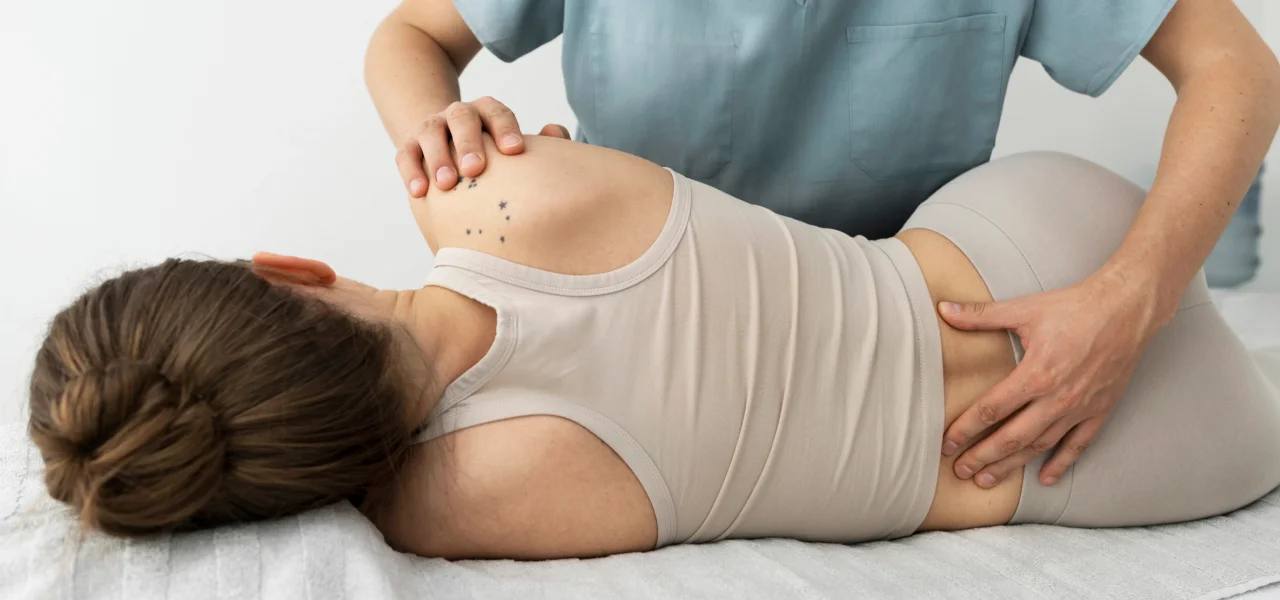
A gentle, hands-on way to support your body’s internal balance
When people think of osteopathy, they usually picture treatment for back pain, sports injuries, or stiff joints. And yes, its fantastic for those. But heres something most people dont realize: osteopathy can also help with internal issues like digestion, breathing, circulation, and even stress-related symptoms.
Surprised? You’re not alone. Lets take a closer look at how this whole-body approach to healthcare supports not just your muscles and bonesbut your internal systems, too.
Your Body Is One Big Connected System
One of the foundational ideas in osteopathy is that structure and function are closely linked. That means if something is physically out of balancesay, restricted movement in your spine or tension in your diaphragmit can affect how your internal organs work.
Osteopaths use gentle manual techniques to improve the movement and alignment of your body, which in turn can support healthier functioning of your internal systems.
How Osteopathy Can Improve Digestive Health
Lets talk about digestion. Your digestive system doesnt operate in isolationits influenced by posture, stress levels, muscular tension, and even how well your diaphragm moves when you breathe.
Osteopathic treatment can help by:
? Releasing tension in the abdomen
Muscle tension or restrictions in the lower ribs and spine can put pressure on the stomach, intestines, or other organs. Osteopathy can help soften the surrounding tissues to improve movement and function.
? Enhancing nerve communication
Your digestive system is closely tied to your nervous systemespecially the vagus nerve, which controls much of your gut activity. Osteopathy can free up restrictions along the spine and neck to support better nerve flow and coordination.
? Reducing stress and tension
Stress is a big player in digestive issues like IBS or reflux. Osteopathic techniques help calm the nervous system, ease anxiety, and improve circulationall of which support gut health.
? Improving blood and lymph flow
Better circulation means better nutrient absorption and waste removal. Osteopaths gently work with your bodys systems to promote internal balance and efficient function.
Other Internal Conditions Osteopathy Can Support
In addition to digestion, osteopathy can help manage a variety of internal and functional complaints, including:
Breathing difficulties (linked to posture or diaphragm tension)
Menstrual pain and pelvic discomfort
Urinary or bladder issues
Chronic fatigue and poor energy flow
Headaches and sinus congestion
Post-surgical recovery or scar tissue adhesions
By supporting the physical and nervous system foundations of these conditions, osteopathy offers a complementary, drug-free way to feel more balanced and in control of your health.
What Does a Treatment Look Like?
Dont worryits not invasive or painful. Your osteopath will start by listening to your concerns, asking about your symptoms, and assessing your posture, movement, and physical restrictions. Treatment involves gentle hands-on techniques, including stretching, soft tissue release, mobilization, and subtle manipulations.
And yesits completely tailored to you. Whether youre dealing with bloating, tension, or fatigue, your osteopath works with your bodynot against it.
Final Thoughts
Your body is brilliantits constantly trying to stay balanced and healthy. Osteopathy helps remove the physical roadblocks that may be interfering with that natural process. Its not just about fixing painits about restoring flow, balance, and function inside and out.
If youve been struggling with digestive discomfort or other internal issues, osteopathy might be the natural, gentle support your bodys been asking for.