Structural Integration explores targeted strategies for recovery. Discover new paths to mobility, healing, and personalized care.

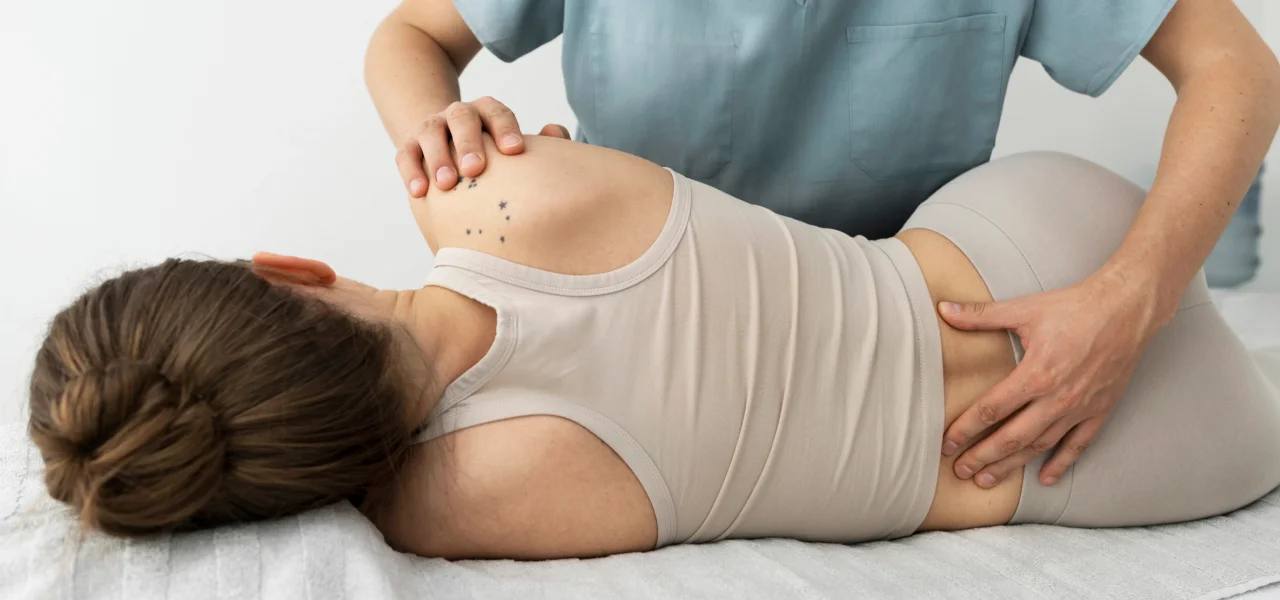
When pain becomes part of your daily life, its time to treat the whole bodynot just the symptoms.
Chronic pain is more than just a physical nuisanceit can drain your energy, affect your mood, and interfere with everything from sleep to movement to mental focus. If you’ve tried medications, massages, stretches, and nothing seems to offer lasting relief, youre not alone. Thats why more people are turning to Structural Integration (SI)a powerful, fascia-focused therapy that addresses the root causes of chronic pain by reorganizing how your body moves and supports itself.
Lets take a closer look at how Structural Integration helps relieve pain, restore balance, and rebuild comfort from the inside out.
?? What Is Structural Integration?
Structural Integration is a form of hands-on bodywork that works with your fasciathe connective tissue that wraps around your muscles, bones, nerves, and organs. Over time, fascia can become tight, restricted, or twisted from injury, poor posture, repetitive movements, or chronic stress.
SI uses slow, precise techniques to release these fascial restrictions, allowing your body to move more freely and naturally. Its not just about easing pain in one spotits about reorganizing your entire structure so your body can heal itself and function more efficiently.
?? Why Chronic Pain Often Persists
Chronic pain often has more to do with compensation patterns and structural imbalances than with isolated injuries. For example:
A stiff neck might be caused by tension in your hips.
Lower back pain could be the result of uneven weight-bearing from a foot imbalance.
Shoulder pain might stem from years of postural collapse or poor breathing mechanics.
Structural Integration sees pain not as the problem, but as a signal that something deeper needs attention.
? How Structural Integration Helps Relieve Chronic Pain
1. Releases Deep Tension in Fascia and Muscles
Chronic pain is often tied to tight, adhesive fascia. SI gently breaks up these restrictions and restores glide between tissues, reducing tension and relieving pressure on nerves, joints, and muscles.
2. Realigns the Body in Gravity
When your body is misaligned, gravity pulls unevenly on your structurecausing strain, inflammation, and discomfort. SI helps bring the body back into balance, so youre supported by gravity rather than fighting against it.
3. Unwinds Long-Held Compensation Patterns
SI doesnt just treat the site of painit works through your whole body to unravel movement and posture habits that contribute to pain in the first place. This often leads to long-term relief, rather than temporary fixes.
4. Improves Circulation and Nerve Flow
Fascial restrictions can block blood and lymphatic flow, or even compress nerves. SI opens up space for better circulation, allowing oxygen and nutrients to reach tissues more easily and helping the body recover more effectively.
5. Builds Body Awareness for Self-Correction
Structural Integration is as much about education as it is about therapy. Youll become more aware of how you sit, move, stand, and breathegiving you the tools to prevent future tension and take charge of your bodys health.
?? Conditions That May Benefit from Structural Integration
Chronic neck and back pain
Sciatica and hip pain
TMJ (jaw tension)
Plantar fasciitis
Repetitive strain injuries
Postural imbalances
Headaches and tension migraines
Fibromyalgia (with modifications)
?? What Clients Often Say After a Series of SI Sessions:
I feel like Im standing taller without trying.
My pain is finally goneand it hasnt come back.
Its like my body is breathing more freely.
I didnt even realize how much tension I was carrying.
Final Thoughts: A Smarter Way to Treat Pain
If youve been living with chronic pain, Structural Integration offers something different: a whole-body approach that addresses the source of discomfortnot just the symptoms. Its not a quick fix, but a deep, lasting change in how your body functions, moves, and feels.
Your pain doesnt have to be permanent. With Structural Integration, your body has the potential to reset, realign, and restore comfortone layer at a time.