Osteopathy for Neck and Shoulder Pain explores targeted strategies for recovery. Discover new paths to mobility, healing, and personalized care.

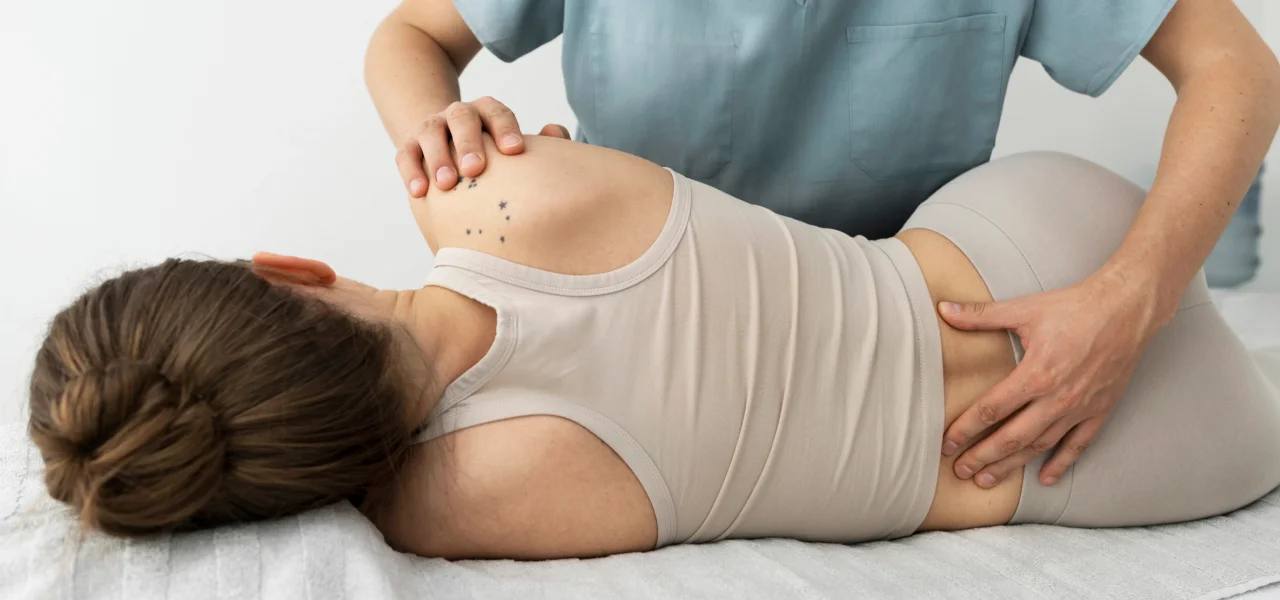
Neck and shoulder pain is one of the most common complaints these daysthanks to long hours at desks, constant screen time, stress, and poor posture. It can range from a dull ache to sharp discomfort, sometimes accompanied by headaches or numbness. If this sounds familiar, youre not aloneand the good news is that osteopathy offers a natural, effective way to find relief.
Lets explore how osteopathy can help ease your neck and shoulder pain, improve your mobility, and get you feeling like yourself again.
Why Do Neck and Shoulder Pain Happen?
Your neck and shoulders are complex areas packed with muscles, joints, nerves, and connective tissueall working together to keep your head upright and your arms moving freely. But when you:
Spend hours hunched over a keyboard
Carry stress in your shoulders
Sleep in awkward positions
Have past injuries or poor posture
these tissues can become tight, inflamed, or misaligned, causing pain and stiffness.
How Osteopathy Addresses Neck and Shoulder Pain
Osteopathy looks at your whole body to find whats causing your painnot just where it hurts. By gently assessing your spine, muscles, and joints, an osteopath can identify tension patterns, restrictions, or imbalances that contribute to your discomfort.
Heres how osteopathy provides relief:
1. Releasing Muscle Tension
Tight muscles in your neck and shoulders often pull on joints and nerves, causing pain. Osteopaths use soft tissue techniques like massage, stretching, and myofascial release to loosen tight muscles and fascia, helping reduce pain and improve circulation.
2. Improving Joint Mobility
Restricted movement in your cervical spine (neck) or shoulder joints can worsen pain and stiffness. Osteopaths apply gentle mobilisation or manipulation techniques to restore normal joint movement, easing stiffness and promoting healing.
3. Correcting Postural Imbalances
Poor posture puts extra strain on your neck and shoulders. Osteopaths assess your overall posture and may provide exercises, ergonomic advice, or stretches to help correct imbalances, preventing your pain from returning.
4. Enhancing Circulation and Nerve Function
Improved blood flow helps tissues heal and reduces inflammation. Osteopathy techniques also encourage better nerve signaling, which can alleviate symptoms like tingling, numbness, or headaches related to neck and shoulder issues.
5. Supporting Relaxation and Stress Reduction
Since stress often contributes to muscle tension, osteopathic treatment also promotes deep relaxation, helping your body release physical and emotional tension that may be contributing to your pain.
Who Can Benefit from Osteopathy for Neck and Shoulder Pain?
Office workers and remote workers
People with chronic tension headaches
Those recovering from whiplash or injury
Anyone with poor posture or tech neck
Athletes experiencing muscle tightness
What to Expect in an Osteopathy Session
Your osteopath will start with a thorough assessment of your neck, shoulders, spine, and posture. Treatment is usually hands-on, gentle, and tailored to your needs. You may also receive advice on stretches, posture, or lifestyle changes to support your recovery.
Final Thoughts
Neck and shoulder pain can seriously disrupt your day, but you dont have to just live with it. Osteopathy offers a natural, gentle, and effective path to reliefhelping you unwind tension, restore movement, and feel more comfortable in your body.
If youre ready to say goodbye to that nagging ache and hello to easier movement, osteopathy might just be the relief youve been looking for.