How Osteopathy Improves Mobility and Prevents Injury explores targeted strategies for recovery. Discover new paths to mobility, healing, and personalized care.

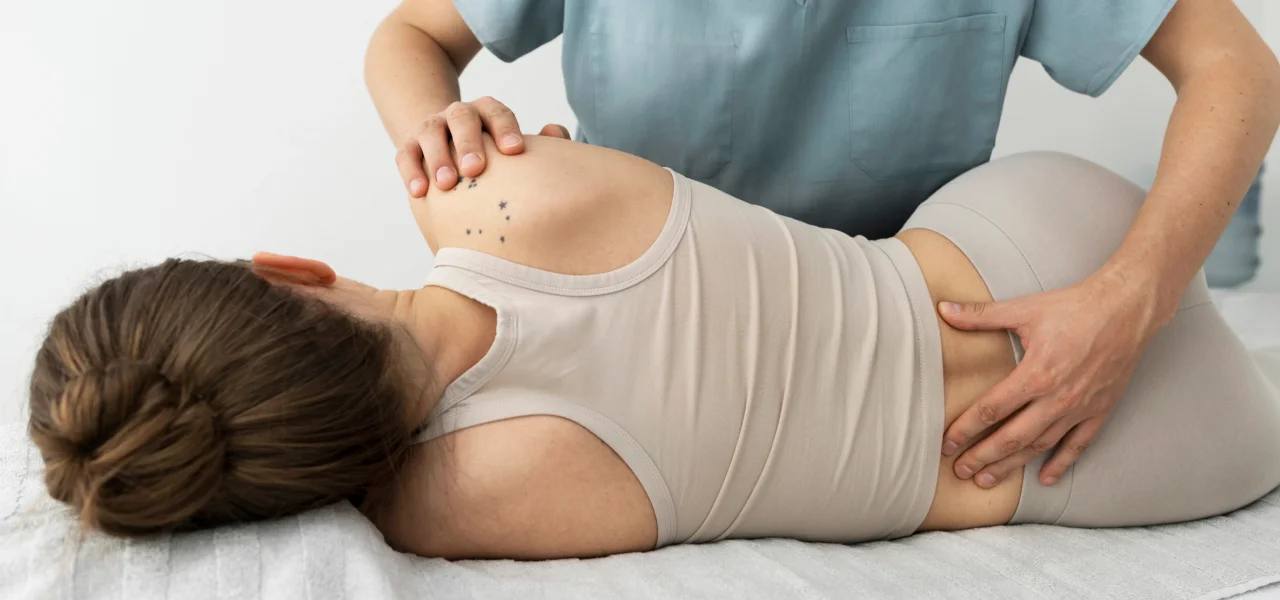
Mobilitythe ability to move your body easily and without painis essential for everything from everyday tasks to athletic performance. But tight muscles, joint stiffness, poor posture, and past injuries can all limit how well you move. Thats where osteopathy comes in, offering a holistic, hands-on approach to improving mobility and helping prevent injuries before they happen.
Lets explore how osteopathy supports your bodys natural movement and keeps you safe from injury.
What Affects Mobility?
Many things can reduce your mobility, including:
Muscle tightness or imbalances
Joint restrictions or stiffness
Poor posture and alignment
Old injuries or scar tissue
Sedentary lifestyle or repetitive strain
Stress and tension
When your body isnt moving well, you might notice:
Difficulty bending, twisting, or reaching
Aches or stiffness after activity
Increased risk of strains or sprains
General feelings of tightness or getting stuck
How Osteopathy Helps Improve Mobility
1. Restoring Joint Movement
Osteopaths use gentle manual techniques to mobilize stiff or restricted joints, helping them move more freely. This not only reduces pain but also allows muscles to work properly around those joints.
2. Releasing Muscle and Fascial Tension
Tight muscles and fascia can limit your range of motion. Osteopathy employs soft tissue massage, stretching, and myofascial release to ease tension and improve flexibilitymaking movement smoother and easier.
3. Balancing Muscle Function
Imbalances where some muscles are overused and others underused can cause inefficient movement and injury. Osteopathy works to restore muscular balance, improving coordination and reducing strain.
4. Correcting Posture and Alignment
Proper posture supports better movement patterns and reduces unnecessary stress on your body. Osteopaths assess your posture and provide advice or exercises to help you stand, sit, and move more efficiently.
5. Enhancing Nervous System Communication
Your nervous system controls movement and muscle activation. Osteopathy helps improve nerve signaling, allowing your body to respond more effectively and maintain better control during movement.
How Osteopathy Helps Prevent Injury
By improving mobility and balance, osteopathy reduces the chances of injury in several ways:
Enhances joint stability and flexibility
Prevents overuse and compensation injuries
Helps you recover from minor strains before they worsen
Improves body awareness so you avoid risky movements
Supports proper alignment to reduce wear and tear
Who Benefits Most?
Osteopathy is great for:
Athletes wanting to optimize performance and avoid injuries
Desk workers experiencing stiffness or poor posture
Older adults aiming to maintain independence and mobility
Anyone recovering from injury or surgery
People who feel tight or limited in movement
Final Thoughts
Mobility isnt just about movementits about quality of life. Osteopathy offers a gentle, comprehensive approach to keep your body moving well, feeling good, and staying injury-free. Whether you want to improve athletic performance or just get through your day with less pain, osteopathy can help you move with ease and confidence.