The Role of Structural Integration in Improving Flexibility and Posture explores targeted strategies for recovery. Discover new paths to mobility, healing, and personalized care.

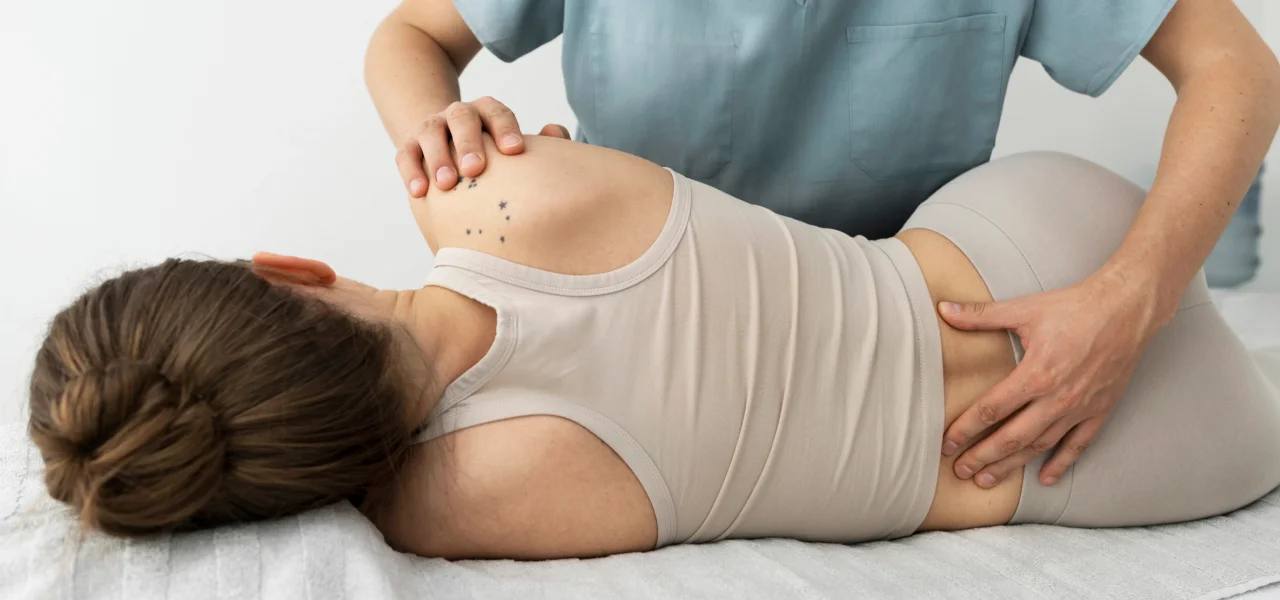
We all know how important flexibility and good posture are for feeling our best and avoiding pain. But sometimes, despite stretching and exercises, those tight spots and slouchy habits just wont budge.
Thats where Structural Integration (SI) comes ina powerful, hands-on therapy that works deeply with your bodys connective tissue to unlock your flexibility and restore your natural posture.
What Is Structural Integration?
Structural Integration is a form of manual therapy focused on the fascia, the web-like connective tissue that surrounds muscles, bones, and organs. Fascia can become tight, sticky, or uneven due to injury, stress, repetitive movements, or poor posture.
SI uses precise, sustained pressure and movement to release these fascial restrictions, helping your body realign and move more freely.
How Structural Integration Enhances Flexibility
? Releases Fascial Tightness
Many flexibility issues arent just about musclestheyre about fascia thats stuck or shortened. SI works beneath the surface, freeing these layers to allow muscles and joints to lengthen naturally.
? Improves Joint Mobility
When fascia restricts movement, joints can become stiff and less responsive. By addressing fascial restrictions, SI improves joint range of motion and helps you move with less effort.
? Balances Muscle Function
SI helps balance muscle tension across your body, so you dont overuse some muscles while others weakenkey for maintaining and improving flexibility.
How Structural Integration Supports Better Posture
? Corrects Structural Imbalances
Posture problems often stem from uneven fascial tension pulling your body out of alignment. SI identifies and addresses these imbalances, promoting a more upright and natural posture.
? Relieves Chronic Tension
Tight muscles and fascia can cause you to hold yourself in protective, inefficient postures. SI releases this tension, helping you stand taller without effort.
? Enhances Body Awareness
Through SI, you become more aware of your posture and movement habits, making it easier to maintain good alignment throughout the day.
The Benefits Go Beyond Flexibility and Posture
By improving fascia health and body alignment, Structural Integration can also:
Reduce chronic pain and stiffness
Enhance athletic performance
Prevent injuries
Improve breathing and circulation
Boost overall energy and wellbeing
What to Expect from Structural Integration Sessions
SI is usually offered as a series of sessions, each one building on the last to create lasting change. Sessions involve:
Hands-on fascial release and soft tissue work
Postural assessment
Movement and alignment education
Its a journey to feeling more balanced, flexible, and connected in your body.
Final Thoughts
Flexibility and posture arent just about stretching or standing up straighttheyre about the health of your entire connective tissue system. Structural Integration offers a deep, lasting approach to improving both, helping you move with ease and confidence.
Ready to stand taller and move freer? Structural Integration might be the key youve been looking for.