How Osteopathy Helps with Pain Management for Chronic Conditions explores targeted strategies for recovery. Discover new paths to mobility, healing, and personalized care.

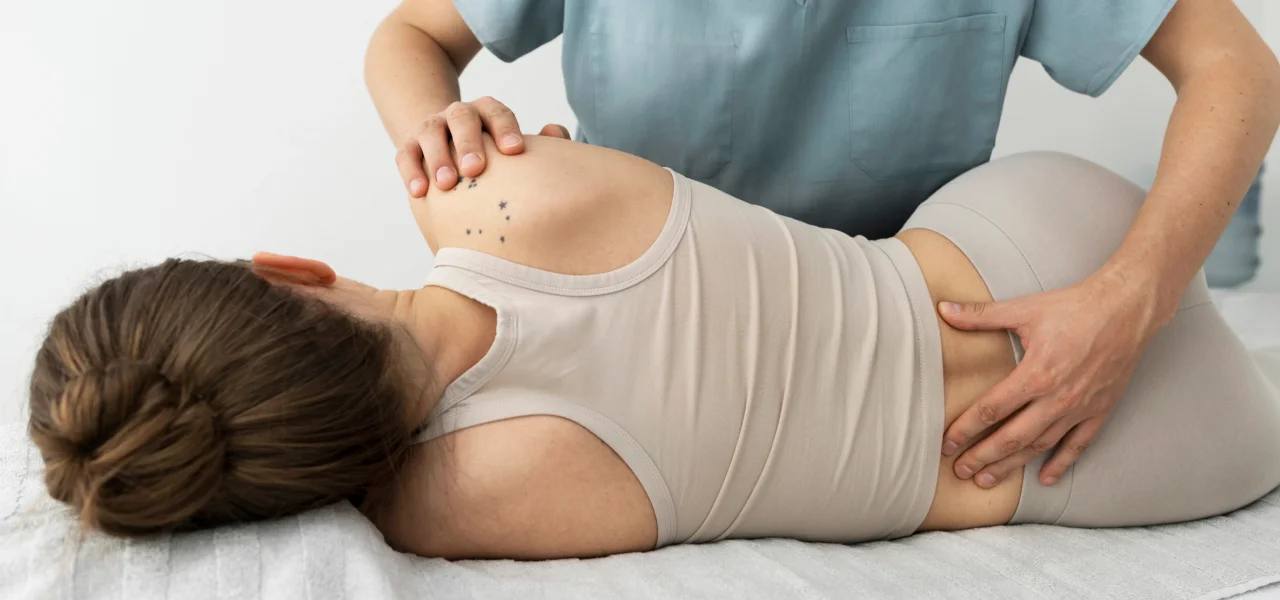
Whether youre pushing your limits in training, recovering from an injury, or just tackling the everyday demands of life, muscle recovery is essential to staying strong and injury-free. But recovery isnt just about restits about helping your muscles and connective tissues heal, release tension, and regain flexibility.
Thats where Structural Integration (SI) shines. This hands-on therapy focuses on your bodys fasciathe connective tissue wrapping your musclesand supports deeper, more effective recovery.
What Makes Muscle Recovery So Important?
After exercise or injury, your muscles undergo stress and microscopic damage. Recovery allows them to:
Repair and rebuild
Release built-up tension and toxins
Restore optimal length and function
Without proper recovery, tightness, soreness, and risk of injury increase.
How Structural Integration Supports Muscle Recovery
1. Releases Fascial Restrictions
Your fascia can become tight and stuck after intense activity, limiting muscle movement and causing discomfort. SI gently releases these restrictions, allowing muscles to relax and elongate.
2. Improves Circulation and Lymphatic Flow
Better blood flow means more oxygen and nutrients reach your muscles, speeding healing. Enhanced lymphatic drainage helps flush out waste products that cause soreness. SI techniques boost both, supporting faster recovery.
3. Balances Muscle Tension
Overworked muscles can become tight, while others weaken. SI helps restore balanced tension, preventing compensations and reducing the chance of new injuries.
4. Reduces Scar Tissue Formation
In cases of injury, SI can help break down or soften scar tissue, improving muscle elasticity and function.
5. Enhances Range of Motion
By loosening fascial tightness, SI increases flexibility and joint mobility, helping you return to full function more quickly.
Who Can Benefit from Structural Integration for Muscle Recovery?
Athletes recovering from training or competition
Individuals healing from muscle strains or injuries
Fitness enthusiasts seeking to prevent soreness and stiffness
Anyone wanting to maintain long-term muscle health and mobility
What to Expect During a Session
Sessions involve slow, focused manual work on muscles and fascia, aiming to release tight areas and promote balance. Many find the experience deeply relaxing and rejuvenating.
Typically, SI is delivered over a series of sessions to support ongoing recovery and lasting benefits.
Final Thoughts
Muscle recovery is about more than just restits about creating space in your tissues to heal and move freely again. Structural Integration offers a powerful, hands-on approach to help your muscles recover faster, feel better, and perform at their best.
Ready to enhance your recovery routine? Structural Integration could be the key to unlocking your bodys full potential.