How Structural Integration Improves Body Mechanics and Reduces Pain explores targeted strategies for recovery. Discover new paths to mobility, healing, and personalized care.

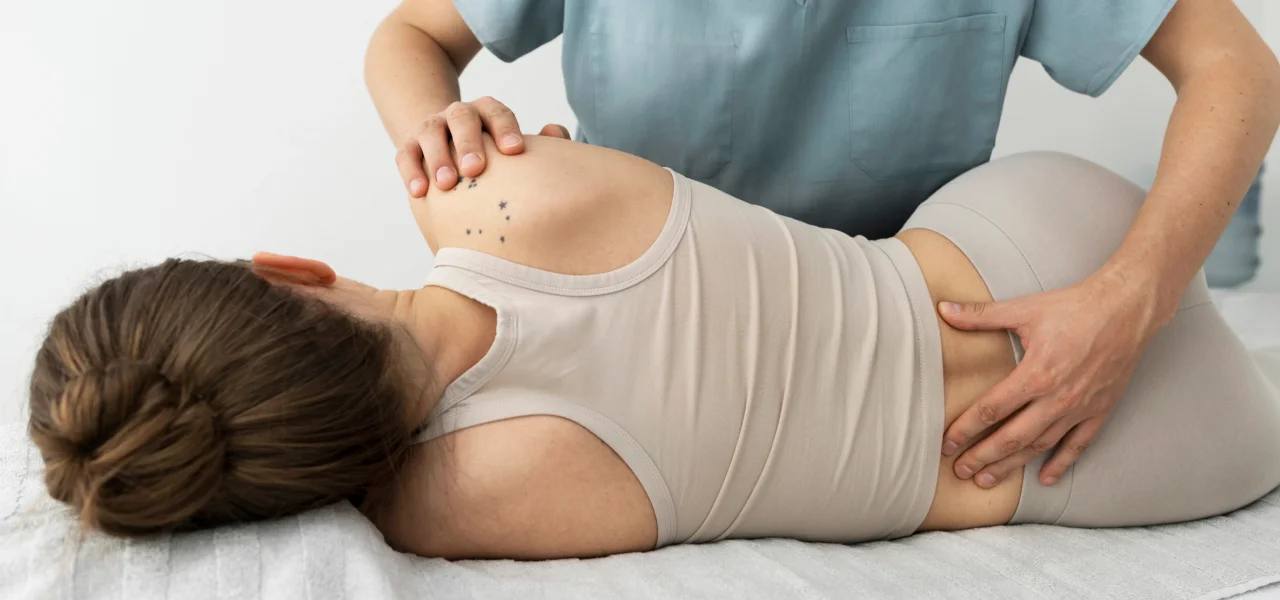
Have you ever noticed how poor posture or tight muscles can make even simple movements feel difficult or painful? Thats often due to impaired body mechanicsthe way your muscles, joints, and bones work together when you move. Over time, inefficient movement patterns can lead to chronic pain, stiffness, and even injury.
Structural Integration (SI) is a hands-on therapy designed to realign your bodys structure, helping you move more efficiently and reducing pain caused by muscular imbalances and postural issues.
What Are Body Mechanics?
Body mechanics refers to how your body moves and functions as a coordinated system. Good body mechanics means your muscles and joints are working in harmony, allowing smooth, efficient, and pain-free movement. Poor body mechanics often involve compensations, such as:
Favoring one side of the body
Slouching or hunching
Limited joint mobility
Muscle imbalances
These compensations can cause unnecessary strain and lead to pain.
How Structural Integration Helps Improve Body Mechanics
1. Releases Fascial Restrictions
Fascia, the connective tissue surrounding your muscles and organs, can become tight or adhered, limiting movement. SI uses slow, deep touch to release fascial restrictions, freeing muscles and joints to move more naturally.
2. Balances Muscle Tension
SI helps identify and correct muscular imbalanceswhere some muscles are overactive and others are weak. By rebalancing muscle tension, SI promotes better posture and movement.
3. Realigns the Bodys Structure
Muscular imbalances and tight fascia can pull your skeleton out of alignment. SI works to restore symmetry and proper alignment, which improves overall body mechanics and reduces strain on muscles and joints.
4. Enhances Movement Patterns
SI not only releases physical restrictions but also teaches greater body awareness. This helps you recognize and adjust inefficient or harmful movement habits, supporting long-term improvements.
5. Reduces Pain and Prevents Injury
By improving alignment and body mechanics, SI decreases stress on joints and muscles, which often leads to pain relief and lowers the risk of future injuries.
Who Can Benefit?
People with chronic muscle or joint pain
Athletes seeking performance improvement
Desk workers with posture-related discomfort
Those recovering from injury or surgery
Anyone wanting to move more comfortably and efficiently
Final Thoughts
Structural Integration offers a powerful way to improve how your body movesenhancing mechanics, reducing pain, and helping you feel more balanced and at ease. By addressing the root causes of poor movement and tension, SI supports lasting health and vitality.