How Structural Integration Enhances Overall Mobility and Function explores targeted strategies for recovery. Discover new paths to mobility, healing, and personalized care.

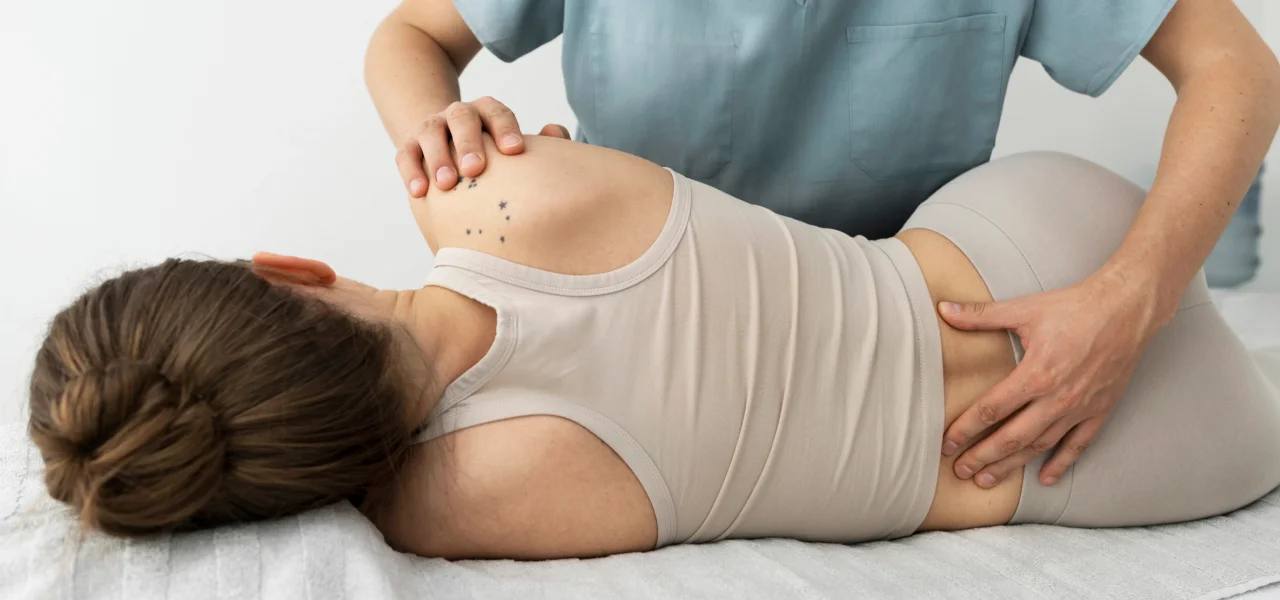
Mobilitythe ability to move freely and comfortablyis at the heart of living well. When your body moves well, everything feels easier: bending, walking, reaching, even just sitting or standing. But poor posture, tight muscles, injuries, or habitual patterns can limit your mobility and make daily tasks a challenge.
Structural Integration (SI) is a unique, hands-on therapy designed to improve how your whole body moves and functions, helping you feel lighter, stronger, and more balanced.
What Makes Structural Integration Special?
SI focuses on the fascia, the connective tissue that wraps around your muscles, bones, and organs. Over time, fascia can become tight, stuck, or misaligned, restricting movement and causing discomfort. Through a systematic series of sessions, SI works to release these restrictions, realign your body, and restore natural movement patterns.
How Does Structural Integration Enhance Mobility?
1. Releases Fascial Restrictions
Tight fascia limits joint and muscle movement. SI helps melt away adhesions, improving flexibility and joint range of motion, so your body moves more freely.
2. Balances Muscle Tension
Uneven muscle tension pulls your body out of alignment. SI restores muscular balance, reducing strain and improving coordination during movement.
3. Improves Posture and Alignment
Better posture supports more efficient movement. SI realigns your body within gravity, reducing compensations and allowing smoother, more natural movement.
4. Enhances Nervous System Integration
Movement relies on effective communication between your brain and muscles. SI helps improve proprioception and body awareness, so you move more confidently and efficiently.
5. Supports Functional Movement
By addressing the whole bodys structure, SI helps you perform everyday activities with less effort and discomfortwhether its climbing stairs, carrying groceries, or playing with your kids.
Who Benefits Most?
People with stiffness or limited range of motion
Those recovering from injury or surgery
Athletes wanting improved performance
Older adults aiming to maintain independence
Anyone wanting to feel more comfortable and agile
Final Thoughts
Structural Integration is a powerful tool for enhancing your overall mobility and function. By freeing your fascia, balancing muscles, and improving alignment, it helps you move more easily and enjoy a better quality of life.
If youre ready to rediscover what effortless movement feels like, Structural Integration might be the key.