The Role of Osteopathy in Treating Joint Disorders and Arthritis explores targeted strategies for recovery. Discover new paths to mobility, healing, and personalized care.

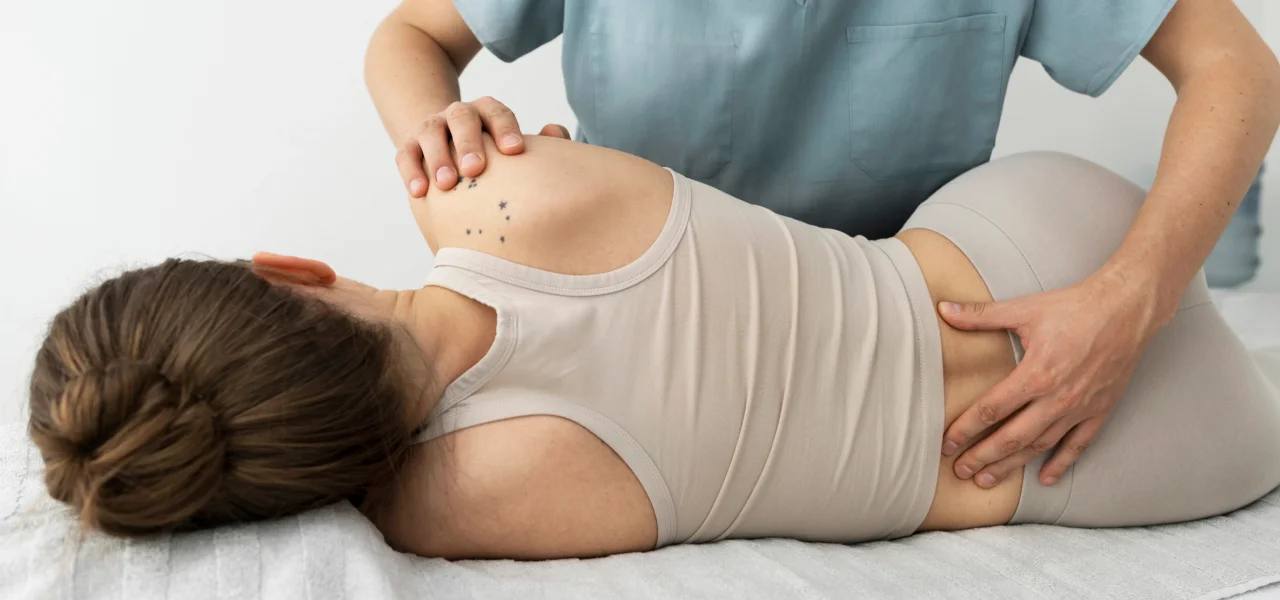
Joint disorders and arthritis affect millions of people worldwide, causing pain, stiffness, and limited mobility that can disrupt everyday life. While medication and surgery are common treatments, osteopathy offers a gentle, holistic approach to managing symptoms and improving joint function.
Lets explore how osteopathy supports joint health and helps those living with arthritis find greater comfort and movement.
Understanding Joint Disorders and Arthritis
Joint disorders encompass a range of conditions that affect the function and structure of your joints, including:
Osteoarthritis (wear and tear of cartilage)
Rheumatoid arthritis (autoimmune inflammation)
Bursitis
Tendinitis
Joint injuries and instability
These conditions often cause:
Joint pain and swelling
Stiffness and reduced range of motion
Muscle weakness around the joint
Difficulty with daily activities
How Osteopathy Helps with Joint Disorders and Arthritis
Osteopathy takes a whole-body approach, looking beyond the affected joint to identify muscle imbalances, postural issues, and movement patterns that contribute to pain and dysfunction.
Heres how osteopathy supports joint health:
1. Reducing Pain and Inflammation
Through gentle soft tissue techniques and joint mobilizations, osteopathy helps decrease muscle tension and improve circulation, which can reduce inflammation and ease pain.
2. Improving Joint Mobility
Osteopaths use specific hands-on methods to gently restore movement to stiff or restricted joints, helping increase flexibility and function without causing discomfort.
3. Balancing Muscular Support
By addressing muscle imbalances and weakness around affected joints, osteopathy enhances joint stability and reduces abnormal stresses that can worsen arthritis symptoms.
4. Enhancing Posture and Alignment
Poor posture can increase pressure on certain joints, accelerating wear and pain. Osteopathy works to correct postural issues, helping distribute weight more evenly and protect vulnerable joints.
5. Supporting Overall Wellbeing
Osteopathic treatment often includes advice on exercise, ergonomics, and lifestyle adjustments to support long-term joint health.
What to Expect During Osteopathic Treatment
Your osteopath will begin with a detailed assessment, including your medical history and a physical examination focusing on joint function and movement. Treatment is tailored to your comfort and may involve:
Gentle joint mobilizations
Soft tissue massage
Stretching and strengthening exercises
Postural and movement advice
Sessions are typically relaxing and aim to improve your quality of life over time.
Who Can Benefit?
Osteopathy is suitable for people with:
Osteoarthritis and rheumatoid arthritis
Joint pain from injury or overuse
Early signs of joint degeneration
Post-surgical joint rehabilitation
Chronic stiffness and limited mobility
Final Thoughts
While osteopathy isnt a cure for arthritis or joint disorders, it offers a safe, effective, and natural way to reduce pain, improve joint function, and enhance your daily comfort. By treating the whole body and addressing the root causes of joint stress, osteopathy helps you move better and feel stronger.
If joint pain is holding you back, consider exploring osteopathy as part of your care plan.