How Osteopathy and Structural Integration Complement Each Other in Treatment explores targeted strategies for recovery. Discover new paths to mobility, healing, and personalized care.

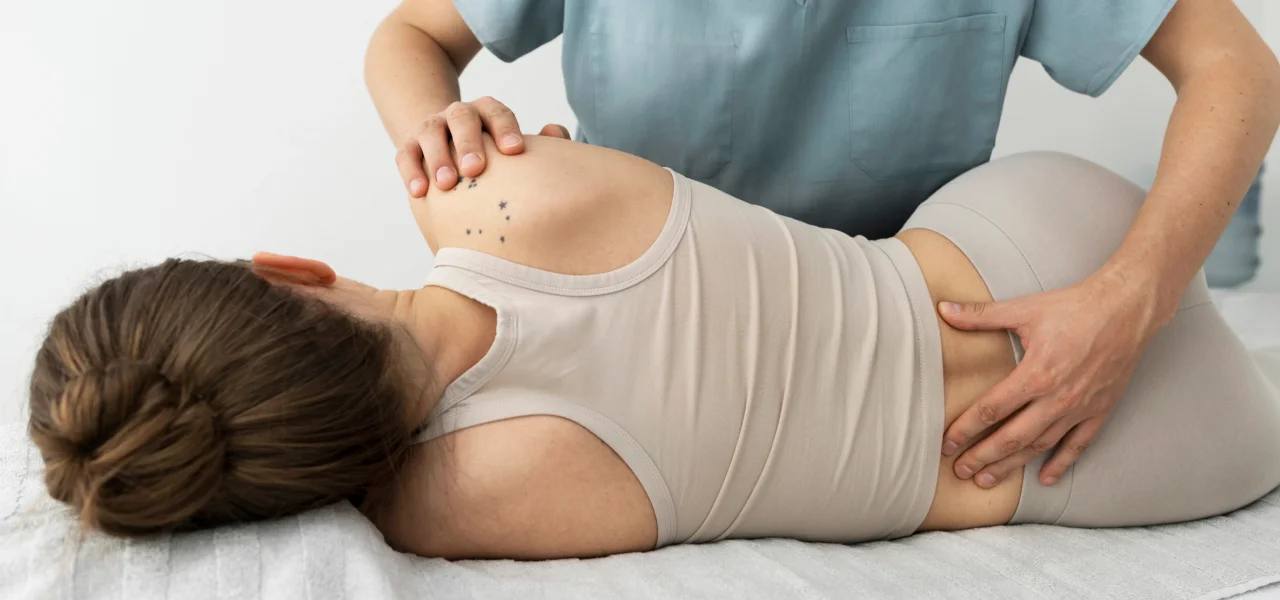
If youve been exploring natural therapies for pain relief, posture improvement, or overall wellbeing, you might have come across osteopathy and structural integration (SI). Both are hands-on treatments that focus on your bodys structure and movementbut how do they differ, and how can they work together?
Lets dive into how osteopathy and structural integration complement each other to create a powerful, holistic healing experience.
What Is Osteopathy?
Osteopathy is a manual therapy that emphasizes the musculoskeletal systembones, muscles, joints, and connective tissues. Osteopaths use gentle techniques like joint mobilization, soft tissue massage, and stretching to:
Improve mobility
Reduce pain
Restore alignment
Support your bodys natural healing processes
What Is Structural Integration?
Structural Integration is a specialized form of bodywork that targets the fasciathe connective tissue surrounding your muscles, bones, and organs. It focuses on:
Releasing fascial restrictions
Realigning the bodys structure
Enhancing posture and movement efficiency
Increasing body awareness
Typically, SI is offered as a series of sessions designed to progressively improve body balance.
How They Work Together
1. Different Layers, One Goal
Osteopathy primarily addresses the joints, muscles, and bones, while SI focuses on the fascia. Together, they work on different layers of your bodys structure to restore harmony and function.
2. Immediate Relief and Lasting Change
Osteopathy can provide quicker relief from pain and stiffness through joint mobilization and muscle work. Structural Integration supports these changes by retraining fascia and posture over time, helping you maintain balance.
3. Comprehensive Postural Correction
Poor posture often involves joint misalignment and fascial tightness. Combining osteopathys joint and muscle techniques with SIs fascial release offers a complete approach to improving posture.
4. Enhanced Body Awareness
Both therapies increase your awareness of how you move and hold yourself, empowering you to adopt healthier movement habits.
5. Complementary Treatment Plans
Many practitioners combine osteopathy and SI in personalized treatment plans, adapting techniques to your needs for optimal outcomes.
Who Can Benefit?
People with chronic pain or postural issues
Athletes and dancers seeking improved movement and injury prevention
Individuals recovering from injury or surgery
Anyone wanting to enhance overall wellbeing and body function
Final Thoughts
Osteopathy and Structural Integration each offer unique benefits, but together, they provide a comprehensive, layered approach to healing and balance. By addressing both the musculoskeletal system and fascia, they help you move more freely, reduce pain, and improve posture for lasting health.
Interested in a combined approach? Talk to your practitioner about integrating osteopathy and structural integration into your care.