The Role of Structural Integration in Enhancing Athletic Performance explores targeted strategies for recovery. Discover new paths to mobility, healing, and personalized care.

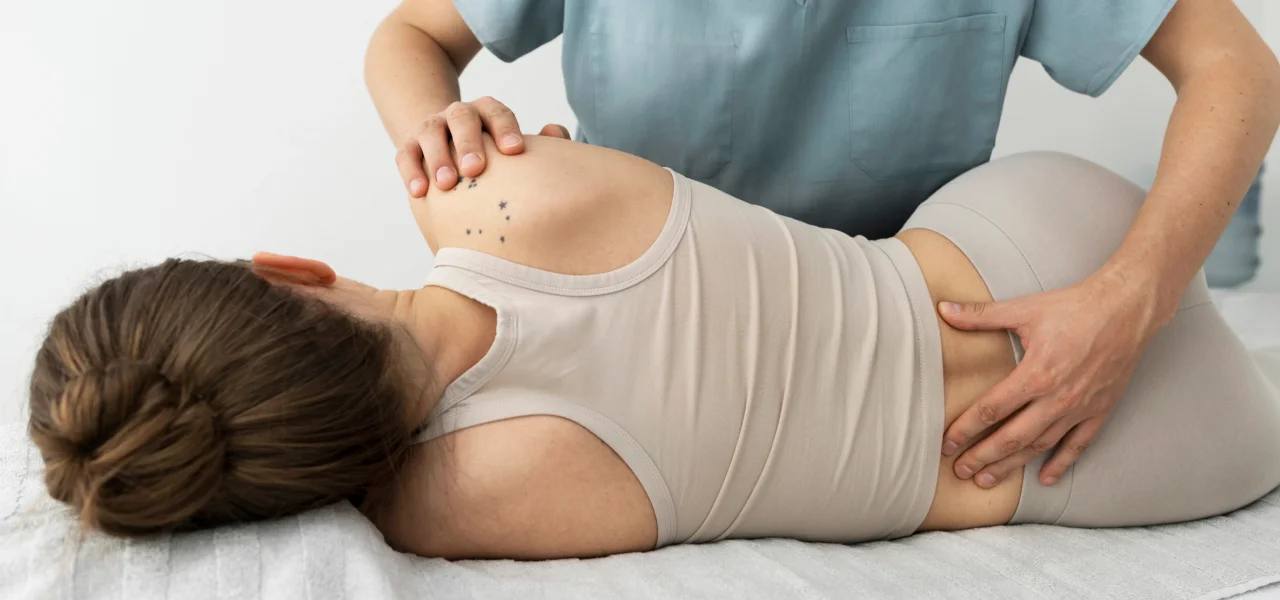
Athletic performance isnt just about strength and enduranceits about how efficiently and smoothly your body moves. Structural Integration (SI) is a specialized hands-on therapy that works deeply with your bodys connective tissue (fascia) to improve alignment, balance, and flexibilityall crucial for athletes aiming to perform at their best.
What Is Structural Integration?
Structural Integration focuses on the fasciathe web of connective tissue that surrounds and supports your muscles, bones, and organs. Over time, fascia can become tight, restricted, or misaligned due to training stress, injuries, or repetitive movements.
SI uses targeted manual techniques to release these restrictions, realign your bodys structure, and improve overall movement quality.
How Structural Integration Enhances Athletic Performance
1. Improves Flexibility and Range of Motion
By releasing fascial tightness, SI allows muscles and joints to move more freely, reducing stiffness and enhancing flexibility.
2. Optimizes Body Alignment and Posture
Proper alignment reduces unnecessary strain and promotes efficient movement patterns, helping you move with more power and less effort.
3. Balances Muscle Tension
SI helps equalize tension across muscle groups, preventing overuse injuries and ensuring balanced strength.
4. Enhances Recovery
Improved circulation from SI supports faster removal of metabolic waste and delivers oxygen and nutrients to tissues, speeding up recovery.
5. Increases Body Awareness
SI sharpens your sense of proprioceptionthe awareness of your bodys position and movementleading to better coordination and injury prevention.
Who Can Benefit?
Runners, swimmers, cyclists, and team sport athletes
Dancers and gymnasts
Martial artists and combat athletes
Anyone seeking to improve performance, prevent injury, or recover more effectively
What to Expect During Structural Integration
SI is typically delivered in a series of sessions, each focusing on different areas of the body. Treatments involve slow, deep manual work, movement education, and postural alignment strategies.
Final Thoughts
For athletes, even small improvements in flexibility, alignment, and muscle balance can make a big difference. Structural Integration offers a powerful, holistic approach to unlocking your bodys full athletic potentialhelping you move stronger, recover faster, and perform better.
Ready to elevate your performance? Structural Integration might be the game-changer youve been looking for.