The Importance of Structural Integration in Treating Soft Tissue Injuries explores targeted strategies for recovery. Discover new paths to mobility, healing, and personalized care.

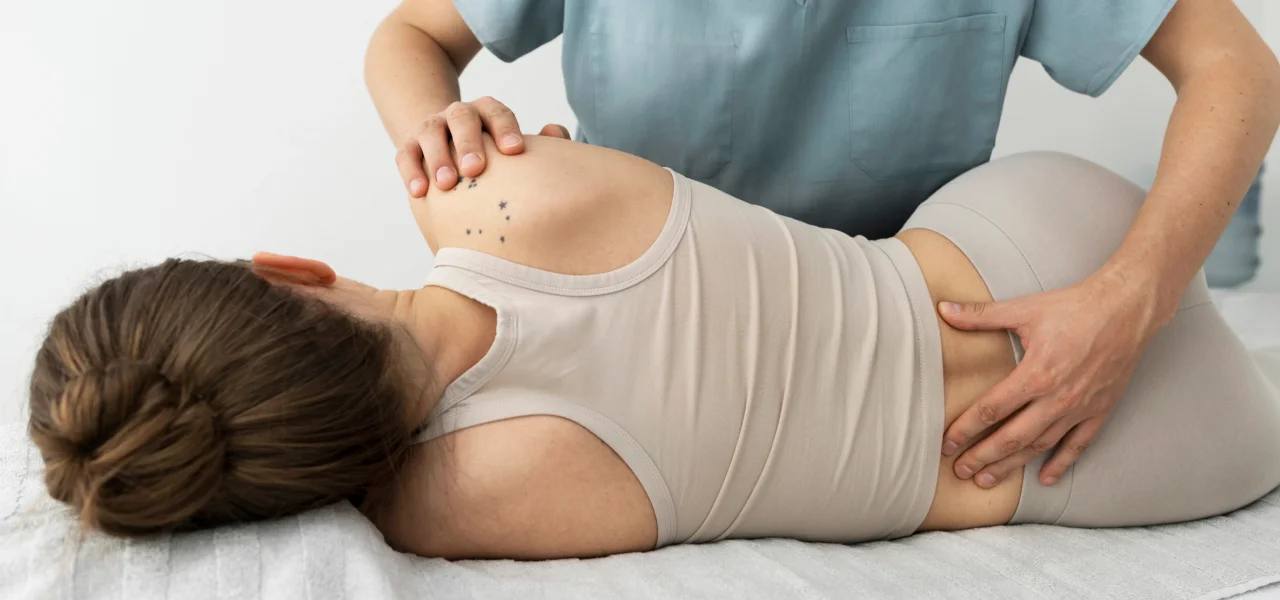
Soft tissue injuriesincluding strains, sprains, and muscle tearsare common and can be painful, limiting your movement and daily activities. While rest and conventional therapies help, Structural Integration (SI) offers a unique hands-on approach that targets the connective tissues to promote healing and restore function.
What Are Soft Tissue Injuries?
Soft tissue injuries affect muscles, ligaments, tendons, and fascia (the connective tissue surrounding muscles and organs). These injuries can result from trauma, overuse, or repetitive strain and often lead to pain, swelling, and stiffness.
How Structural Integration Supports Healing
1. Releasing Fascial Restrictions
SI works deeply on the fascia to release adhesions and tightness that develop after injury, improving tissue elasticity and mobility.
2. Restoring Structural Balance
Injury often causes compensations that create imbalances in the body. SI realigns the bodys structure, reducing strain on injured tissues and supporting efficient movement.
3. Enhancing Circulation and Lymphatic Flow
Improved blood and lymph flow through SI accelerates nutrient delivery and waste removal, promoting faster tissue repair.
4. Reducing Scar Tissue Formation
By gently mobilizing affected areas, SI helps prevent excessive scar tissue buildup that can restrict movement and cause chronic pain.
5. Increasing Body Awareness and Movement Efficiency
SI encourages mindful movement and posture adjustments, aiding in long-term recovery and injury prevention.
Benefits of SI for Soft Tissue Injuries
Decreased pain and stiffness
Improved range of motion
Faster recovery times
Enhanced functional movement
Reduced risk of re-injury
Who Can Benefit?
Anyone recovering from:
Muscle strains and sprains
Tendonitis and ligament injuries
Post-surgical soft tissue trauma
Chronic soft tissue pain conditions
Final Thoughts
Structural Integration offers a holistic, effective approach to treating soft tissue injuries by addressing the root causes of tension and imbalance. It supports your bodys natural healing, helping you regain comfort and movement.
If youre recovering from a soft tissue injury, consider Structural Integration as part of your rehabilitation plan.