The Benefits of Osteopathy for Injury Recovery and Preventative Care explores targeted strategies for recovery. Discover new paths to mobility, healing, and personalized care.

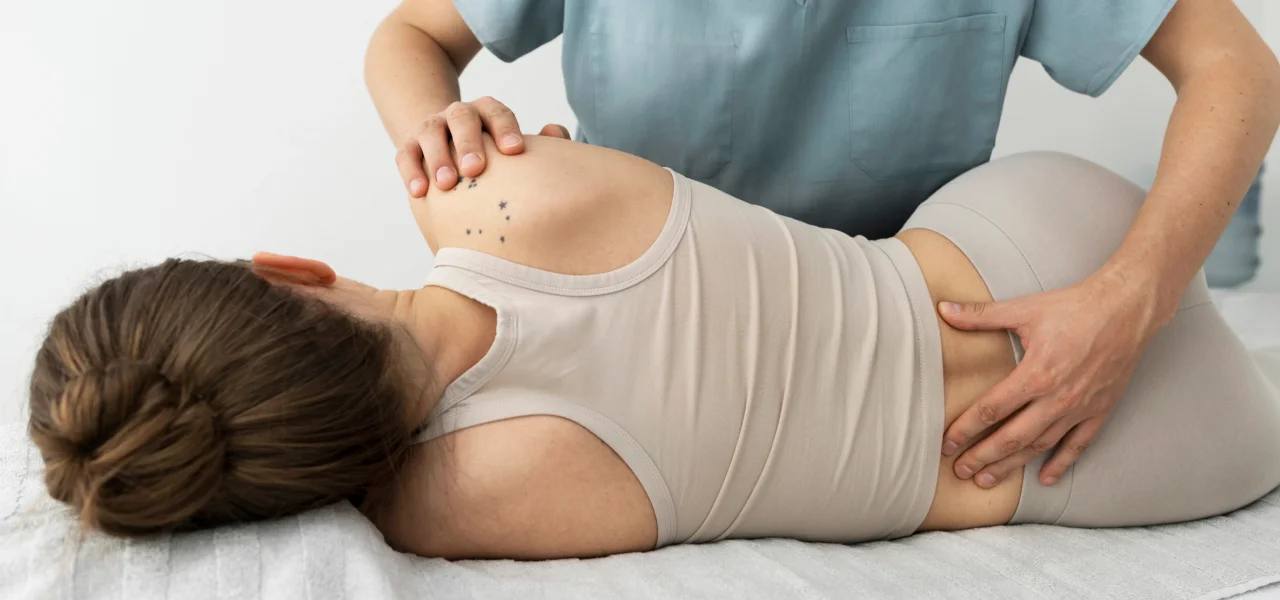
Osteopathy is a holistic approach to healthcare that focuses on the relationship between the bodys structure and function. It involves using physical techniques like stretching, massaging, and manipulating the muscles, joints, and spine to treat a variety of conditions, with a focus on promoting the bodys ability to heal itself. While its well-known for treating musculoskeletal injuries, osteopathy also plays an essential role in preventing injuries and improving overall health. Heres a look at the benefits of osteopathy for both injury recovery and preventative care.
Injury Recovery: How Osteopathy Helps
Pain Management and Relief
One of the main reasons people turn to osteopathy during injury recovery is for pain relief. Whether youve sustained an injury from sports, an accident, or everyday wear and tear, osteopathy can help alleviate pain. By using hands-on techniques, osteopaths aim to reduce muscle tension, improve blood flow, and ease the discomfort caused by the injury. Techniques like soft tissue massage, joint manipulation, and myofascial release target the areas around the injury to reduce swelling, promote healing, and minimize pain.
Enhanced Circulation and Healing
Osteopathic techniques are designed to improve circulation, which is vital for tissue repair and recovery. Through manipulation of the affected areas, blood flow is increased, delivering more oxygen and nutrients to the injured tissues. This accelerated circulation helps to reduce inflammation and speed up the bodys natural healing process. Increased circulation also helps remove waste products from the injury site, further promoting faster recovery.
Restoring Range of Motion and Flexibility
After an injury, stiffness and limited mobility can be a major issue. Osteopathy is effective in restoring the full range of motion by addressing the restrictions in muscles, joints, and fascia. By using gentle stretching and mobilization techniques, osteopaths help to relax tight muscles and realign the bones and joints. This allows for more fluid and functional movement, which is critical for returning to normal activities after an injury.
Scar Tissue and Adhesion Reduction
After an injury, scar tissue can form as part of the healing process. While this is a natural part of recovery, excessive scar tissue can lead to stiffness, pain, and long-term mobility issues. Osteopathy helps break down adhesions and scar tissue, improving flexibility and reducing the risk of chronic pain or long-term dysfunction. This is particularly beneficial for individuals recovering from surgeries or soft tissue injuries.
Preventing Chronic Conditions and Re-injury
When recovering from an injury, one of the key concerns is preventing the injury from reoccurring. Osteopathy not only addresses the immediate concerns of pain and recovery but also focuses on the root causes of the injury. By addressing postural imbalances, muscle weaknesses, and biomechanical issues, osteopaths help prevent future injuries from developing. They can provide advice on movement patterns and suggest exercises that promote strength and flexibility, which can help avoid re-injury.
Preventative Care: How Osteopathy Helps You Stay Injury-Free
Postural Alignment and Correction
Poor posture is a common cause of musculoskeletal pain and injury. Osteopathy is particularly effective in identifying and correcting postural misalignments that can lead to chronic pain and injury. Through gentle adjustments and exercises, osteopaths can help improve posture by realigning the spine and reducing strain on muscles and joints. Proper alignment ensures that your body moves efficiently, reducing the risk of overuse injuries, tension, and stress.
Muscle and Joint Balance
Imbalances in muscle strength or joint function can contribute to injuries over time. Osteopathy helps correct these imbalances by assessing the bodys movement patterns and recommending specific exercises or treatments to strengthen weak muscles and release tight ones. This promotes a balanced and stable musculoskeletal system, reducing the likelihood of injury in the future.
Increased Flexibility and Range of Motion
Preventing injuries requires the body to be flexible and mobile. Osteopaths use techniques such as stretching, joint manipulation, and myofascial release to increase flexibility and range of motion. Regular osteopathic treatment helps keep the body limber and able to respond to physical stresses without injury. Whether youre an athlete, someone with a physically demanding job, or just want to stay active and healthy, maintaining flexibility is key to injury prevention.
Improved Circulation and Lymphatic Drainage
Regular osteopathic treatments help maintain good circulation, which is essential for keeping the bodys tissues healthy and free from injury. Osteopaths often use techniques that stimulate blood flow and lymphatic drainage, helping to prevent stagnation and improve the bodys ability to repair itself. By encouraging the flow of oxygen and nutrients throughout the body, osteopathy supports the body’s natural processes of healing and repair, reducing the risk of injury.
Stress Reduction and Mental Wellness
Chronic stress can have a significant impact on your physical health, leading to muscle tension, poor posture, and even injury. Osteopathy takes a holistic approach to health, addressing not only the physical body but also the mental and emotional components that can contribute to stress-related injuries. Osteopathic treatments help to relieve tension and promote relaxation, allowing individuals to better manage stress and maintain a healthy body and mind.
Personalized Health Advice
Osteopaths offer tailored advice on how to maintain a healthy body and prevent injury, taking into account your lifestyle, work environment, and physical activity levels. They may suggest exercises, ergonomic improvements, or lifestyle changes that will reduce strain on the body. This proactive approach to care empowers you to take responsibility for your health and prevent injuries before they occur.
Conclusion: A Comprehensive Approach to Health
Osteopathy is a powerful tool for both injury recovery and preventative care. Whether youre recovering from an injury or looking to maintain a healthy, injury-free body, osteopathy offers a range of benefits. By focusing on the bodys structure and function, osteopaths are able to treat pain, enhance mobility, restore balance, and improve overall well-being. With regular osteopathic treatments, individuals can recover more efficiently from injuries and take proactive steps to prevent future injuries, leading to a more active and pain-free life