The Healing Effects of Osteopathy for Restoring Full Mobility explores targeted strategies for recovery. Discover new paths to mobility, healing, and personalized care.

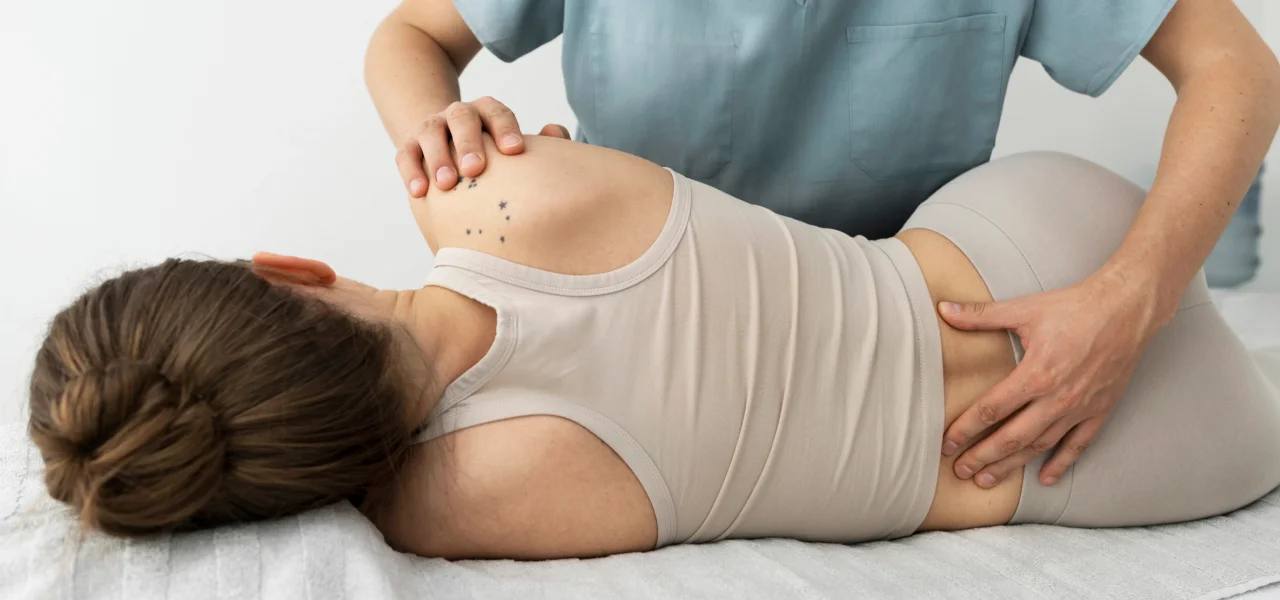
Osteopathy is a comprehensive and holistic form of healthcare that focuses on diagnosing, treating, and preventing a wide range of musculoskeletal conditions. Its primary goal is to restore and maintain optimal health and mobility by ensuring the bodys structure and function are in alignment. Whether dealing with chronic pain, recovering from an injury, or simply seeking to improve physical performance, osteopathy offers significant healing effects that help restore full mobility, enhance movement, and promote long-term well-being.
What is Osteopathy?
Osteopathy is a manual therapy that uses the bodys natural ability to heal itself. Osteopaths employ a variety of hands-on techniques, such as stretching, gentle pressure, and manipulation, to improve joint mobility, reduce muscle tension, enhance circulation, and improve the bodys overall function. By addressing not only the symptoms but also the underlying causes of musculoskeletal issues, osteopathy provides a holistic solution for improving movement and mobility.
Healing Effects of Osteopathy in Restoring Full Mobility
Pain Relief and Muscle Relaxation
Pain, particularly in the muscles, joints, and spine, often leads to limited mobility. Whether caused by injury, poor posture, overuse, or stress, muscle tension and pain can severely restrict movement. Osteopathic techniques are designed to alleviate these issues by targeting the root cause of the pain.
Osteopaths use gentle manipulations and stretches to relieve muscle tightness and restore mobility in affected areas. Techniques like soft tissue massage, myofascial release, and joint mobilization help relax tight muscles, relieve pressure on nerve pathways, and increase circulation to improve the healing process. By alleviating pain, osteopathy enables patients to move more freely and return to their normal activities.
Improved Joint Mobility
Joint stiffness or immobility is a common issue for people with arthritis, sports injuries, or after periods of inactivity. When the joints are not functioning properly, they can limit movement and make everyday tasks more challenging. Osteopaths assess joint function and use manual techniques to improve flexibility and range of motion.
Joint manipulation and mobilization, which are commonly used in osteopathy, help to restore proper alignment and movement in the joints. This reduces stiffness and improves fluidity in movement, whether in the spine, hips, knees, or other areas of the body. Restoring joint mobility through osteopathic care can be particularly beneficial for individuals recovering from joint injuries or surgeries.
Reducing Scar Tissue and Adhesions
After injury or surgery, scar tissue and adhesions can form around the muscles, ligaments, and joints, limiting movement and contributing to pain. This scar tissue can restrict the fascia (connective tissue) and prevent the free movement of muscles and joints. Osteopathic techniques are particularly effective at breaking down this scar tissue and adhesions, promoting better flexibility and mobility.
Through deep tissue massage and gentle stretching, osteopaths work to loosen the fascia and reduce the formation of thickened tissue, which helps to restore normal movement patterns. This approach is beneficial for individuals recovering from surgical procedures, traumatic injuries, or repetitive strain.
Enhancing Circulation and Healing
Effective circulation is essential for maintaining healthy, mobile joints and tissues. Poor circulation can lead to stiffness, pain, and a slower recovery process. Osteopathy enhances circulation through techniques that promote blood flow and lymphatic drainage, which are key to healing and mobility.
By improving blood and lymphatic circulation, osteopathy ensures that tissues receive more oxygen, nutrients, and other healing components needed for recovery. Increased circulation also helps flush out toxins and metabolic waste from the body, accelerating the healing process and promoting better mobility.
Re-aligning the Body for Balanced Movement
Many mobility issues are linked to poor posture or imbalances in the bodys structure. For example, misalignment of the spine, pelvis, or hips can cause one side of the body to compensate for the other, leading to discomfort, inefficiency in movement, and limited range of motion. Osteopathy focuses on realigning the body to restore symmetry and balance.
Osteopaths assess the body’s posture and alignment, looking for areas of misalignment or strain. By gently manipulating the spine, pelvis, and other joints, osteopathy helps bring the body into a more balanced position. This improves overall posture and enables more efficient and pain-free movement.
Promoting Flexibility and Preventing Stiffness
Flexibility is key to maintaining mobility, particularly as we age or after periods of immobility due to injury or surgery. Osteopathy addresses stiffness and muscle tightness by focusing on improving flexibility through targeted stretches and soft tissue work.
Regular osteopathic treatments help maintain and enhance flexibility by lengthening muscles and fascia that may have shortened or become tight due to poor posture, repetitive use, or injury. This is particularly important for athletes or individuals who engage in regular physical activity, as well as those recovering from injuries.
Rehabilitation After Injury
Whether recovering from a sports injury, car accident, or surgery, full mobility often requires focused rehabilitation to restore strength and movement. Osteopathy plays a crucial role in rehabilitation by addressing the muscles, joints, and connective tissues that may have been weakened or damaged during the injury.
Osteopaths use a combination of gentle manipulations, stretches, and exercises to improve muscle strength, joint stability, and overall function. This rehabilitation process helps restore mobility while preventing future injuries by correcting any imbalances or weaknesses that may have developed due to the injury.
Improving Posture for Greater Mobility
Poor posture can lead to a range of musculoskeletal issues, including back pain, neck tension, and limited movement. Osteopathy addresses these issues by correcting misalignments in the body and helping individuals develop better posture habits.
Osteopathic treatments focus on improving spinal alignment, strengthening muscles that support the spine, and teaching patients how to maintain a healthy posture throughout their daily activities. By improving posture, osteopathy helps reduce the strain on muscles and joints, promoting greater mobility and comfort.
Mind-Body Connection for Holistic Healing
Osteopathy considers the whole body, not just the isolated parts affected by injury or discomfort. This holistic approach helps restore full mobility by addressing the interconnections between the muscles, joints, fascia, and nervous system. By treating the body as an interconnected system, osteopathy improves overall function and movement efficiency.
The mind-body connection is also emphasized in osteopathy, as mental stress and emotional tension can affect physical mobility. Osteopaths often incorporate relaxation techniques and work on alleviating tension from both the body and mind, helping patients feel more relaxed and capable of moving freely.
Conclusion: Restoring Full Mobility with Osteopathy
Osteopathy is a powerful and effective treatment for restoring full mobility, whether you’re recovering from an injury, dealing with chronic pain, or simply looking to improve your movement. By targeting the root causes of musculoskeletal issues, osteopathy helps to alleviate pain, improve joint mobility, enhance flexibility, and promote better posture and movement. Its holistic approach allows the body to heal itself, enabling individuals to regain full range of motion and return to their daily activities with greater ease, comfort, and confidence.