How Osteopathy Can Help Restore Flexibility and Movement explores targeted strategies for recovery. Discover new paths to mobility, healing, and personalized care.

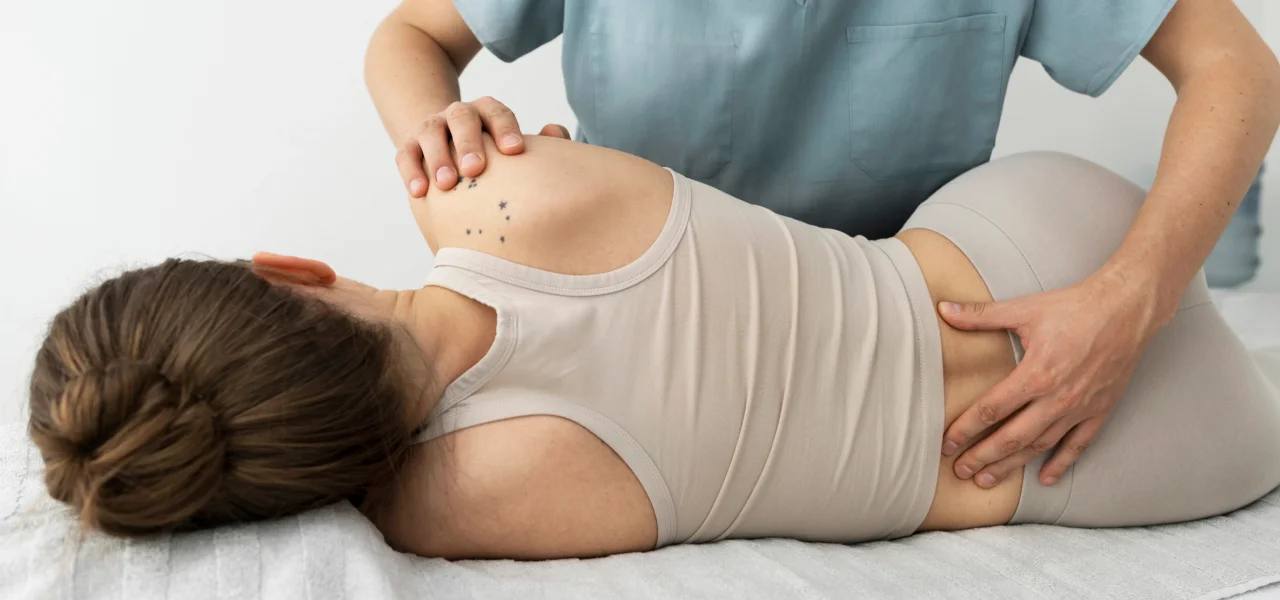
Osteopathy is a holistic approach to healthcare that focuses on the interrelationship between the bodys structure and its function. By using manual techniques such as stretching, joint manipulation, and soft tissue work, osteopathy helps restore flexibility and movement by addressing issues in the musculoskeletal systembones, muscles, joints, and connective tissues. Whether its due to injury, poor posture, or a sedentary lifestyle, osteopathic treatment targets the root causes of restricted movement and helps improve overall mobility.
Heres how osteopathy can help restore flexibility and movement:
1. Improving Joint Mobility
Joint stiffness is one of the most common causes of restricted movement. This can happen for various reasons, such as overuse, poor posture, or injury. Osteopathy is particularly effective in restoring joint mobility through techniques such as joint manipulation and mobilization.
Joint manipulation involves applying controlled force to a joint to restore its normal function. This can help reduce stiffness and improve range of motion.
Joint mobilization is a gentler technique where controlled movements are applied to the joint to improve its flexibility and ease movement.
By improving the movement of the joints, osteopathy helps the body function more fluidly and without discomfort, which contributes to better flexibility and greater overall movement.
2. Releasing Muscle Tension
Muscle tightness is another common cause of restricted movement. Chronic tension in muscles can arise from poor posture, stress, overuse, or injury, limiting flexibility and causing pain. Osteopathic techniques such as myofascial release and soft tissue manipulation are used to target tight muscles and fascia (the connective tissue that surrounds muscles).
Myofascial release involves applying gentle pressure to tight areas of fascia to release restrictions and improve muscle flexibility.
Soft tissue manipulation works directly on muscles to reduce tension and increase their elasticity, which promotes better movement and flexibility.
By releasing muscle tightness, osteopathy helps to restore normal muscle function and improve flexibility, making it easier to move without discomfort.
3. Restoring Postural Alignment
Poor posture is a major factor in muscle stiffness and reduced flexibility. Misalignments in the spine, pelvis, and shoulders can lead to muscle imbalances, causing some muscles to become overstretched or tightened, and restricting movement.
Osteopathy focuses on postural correction to restore alignment and balance in the body. Through techniques such as spinal manipulation and gentle stretching, osteopaths work to realign the body, reduce muscle strain, and improve the function of joints. Correcting postural imbalances not only helps relieve pain but also ensures that the body moves in a more balanced and efficient way.
When posture is improved, the body is better aligned, which allows for more natural, unrestricted movement and improved flexibility.
4. Enhancing Circulation
Proper circulation is essential for muscle health and flexibility. When blood flow is restricted, muscles may become stiff, inflamed, or fatigued, limiting movement. Osteopathy enhances circulation by using techniques like soft tissue massage and joint mobilization to promote better blood flow throughout the body.
Improved circulation delivers oxygen and nutrients to the muscles while removing waste products from the tissues. This increased blood flow helps muscles function more effectively, reduces stiffness, and supports recovery from injury. Enhanced circulation helps to maintain flexibility and encourages quicker healing, improving overall movement.
5. Improving the Flexibility of the Fascia
Fascia is a connective tissue that surrounds muscles and other structures, playing an important role in movement. If fascia becomes tight or restricted due to poor posture, injury, or overuse, it can limit flexibility and contribute to discomfort.
Osteopathy targets fascial restrictions through techniques like myofascial release and deep tissue manipulation. By releasing tension in the fascia, osteopathy allows muscles and joints to move more freely, improving flexibility and movement. Restoring the natural elasticity of the fascia helps ensure smoother and more efficient movement, reducing pain and discomfort.
6. Strengthening Weak Muscles
Weak muscles can contribute to poor posture, reduced range of motion, and instability in the joints, all of which can limit movement. Osteopaths assess the overall strength and coordination of muscles throughout the body, identifying areas of weakness that may be affecting flexibility.
Through targeted exercises and muscle energy techniques, osteopathy helps to strengthen weak muscles and activate underused areas. Strengthening the muscles improves support for the joints, enhances flexibility, and restores balance, making movement more efficient and less likely to cause strain or injury.
7. Addressing Scar Tissue and Adhesions
After an injury or surgery, scar tissue and adhesions can form around the muscles, joints, and fascia. These scar tissues may restrict movement and flexibility by binding tissues together, leading to stiffness and discomfort. Osteopathy can help break down scar tissue and adhesions through deep tissue manipulation and myofascial release, which promotes tissue mobility and reduces the formation of excessive scar tissue.
By addressing scar tissue, osteopathy allows for better tissue flexibility, reducing the limitations caused by past injuries or surgeries. This promotes smoother movement and restores the bodys natural ability to move freely.
8. Treating Specific Conditions That Affect Movement
Osteopathy is particularly effective for treating conditions that impact flexibility and movement, such as:
Arthritis: Osteopathic treatments help alleviate stiffness and pain caused by arthritis by improving joint mobility and reducing inflammation.
Frozen shoulder: Osteopathy can restore range of motion in the shoulder joint by releasing fascial restrictions and mobilizing the joint.
Sciatica: Osteopathy helps relieve pressure on the sciatic nerve, improving flexibility and movement in the lower back and legs.
Chronic muscle tension: Osteopathy addresses tight muscles, restores muscle function, and improves flexibility by using myofascial release and other manual techniques.
Postural issues: Osteopathy works to improve posture and address muscle imbalances that restrict movement and flexibility.
9. Holistic Approach to Movement
Osteopathy is a holistic approach to healthcare, meaning it looks at the body as a whole rather than just focusing on the specific areas of pain or discomfort. Osteopaths assess how different parts of the body work together and ensure that the musculoskeletal system functions in harmony. By addressing not just the affected area but also the underlying causes of restricted movement, osteopathy helps restore overall flexibility and movement across the entire body.
Conclusion: The Role of Osteopathy in Restoring Flexibility and Movement
Osteopathy offers a comprehensive and effective approach to restoring flexibility and improving movement. Through manual techniques such as joint manipulation, soft tissue release, myofascial release, and postural correction, osteopathy targets the root causes of movement restrictions, whether they are due to muscle tightness, joint stiffness, poor posture, or injury. By releasing fascial restrictions, improving circulation, and restoring proper alignment, osteopathy helps to increase flexibility, reduce pain, and enhance overall mobility.