How Osteopathy Helps Treat Upper Back Pain and Tension explores targeted strategies for recovery. Discover new paths to mobility, healing, and personalized care.

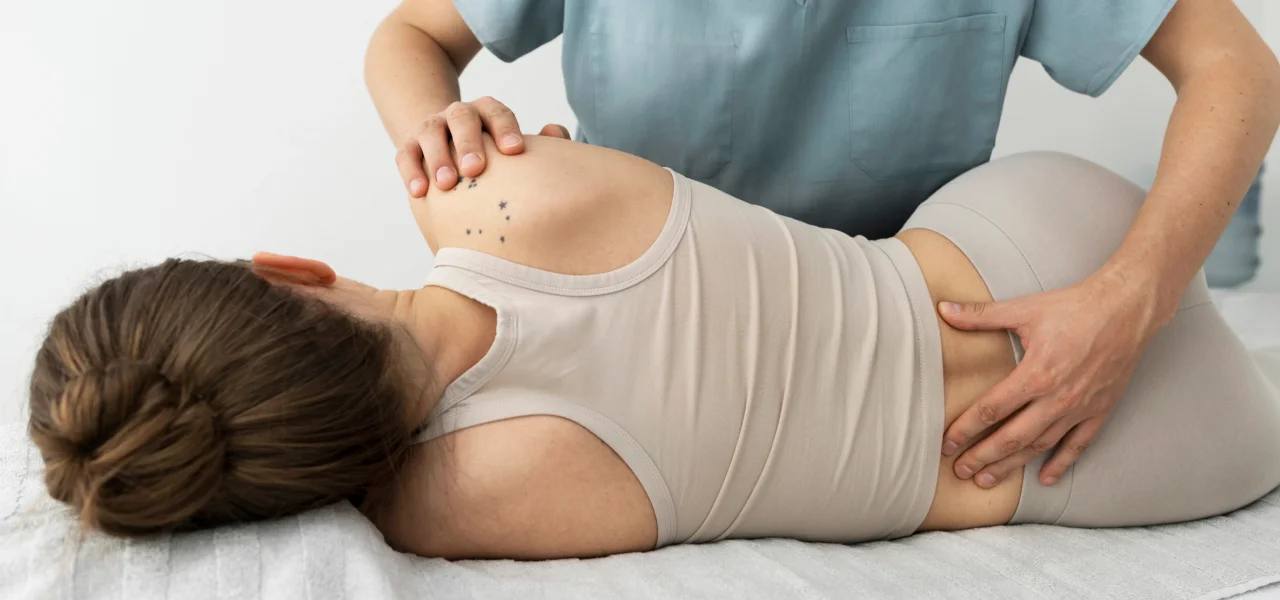
Structural Integration (SI), commonly known as Rolfing, is a holistic bodywork technique that focuses on the manipulation and realignment of the fasciathe connective tissue that surrounds muscles, bones, and organs. By addressing the fascia and restoring balance to the bodys structure, SI plays a critical role in pain management and healing. This hands-on therapy is particularly effective in treating chronic pain, improving posture, and enhancing movement by releasing fascial restrictions, reducing muscle tension, and promoting optimal body alignment.
Here’s how Structural Integration contributes to pain management and healing:
1. Addressing the Root Causes of Pain
Pain is often a result of misalignments or dysfunctions in the bodys structure. Poor posture, repetitive movements, injuries, or emotional stress can cause fascial restrictions that lead to muscle tension, joint misalignments, and pain. SI focuses on identifying and addressing these underlying causes by working directly with the fascial system to restore alignment and ease of movement.
Through deep tissue manipulation, SI releases fascial restrictions, allowing the body to realign and move more efficiently. By addressing the root causes of pain, Structural Integration helps to prevent future discomfort, promoting long-term pain relief and healing.
2. Releasing Fascial Restrictions
The fascia is a web-like network of connective tissue that surrounds muscles, bones, and organs, providing structural support and transmitting force throughout the body. However, fascia can become tight or restricted due to injury, poor posture, or overuse, leading to muscle tension, stiffness, and pain.
Structural Integration works by targeting these fascial restrictions with techniques like myofascial release and deep tissue manipulation. These techniques help to release tight fascia, restore the bodys natural flexibility, and alleviate pain. As fascia is released, muscles are able to function more efficiently, and joint mobility is improved, leading to pain reduction and a more balanced body.
3. Restoring Proper Posture and Alignment
Postural misalignments often lead to muscle imbalances, which can cause pain and discomfort. For example, slouching or forward head posture places additional strain on the spine, neck, and shoulders, leading to chronic pain. Structural Integration focuses on realigning the bodys posture, particularly the spine, pelvis, and shoulders, which are central to overall alignment.
By restoring proper posture, SI reduces strain on muscles and joints, alleviating discomfort and preventing future pain. Better alignment ensures that the body functions more efficiently, allowing for smoother movement and improved posture, both of which contribute to pain relief.
4. Reducing Muscle Tension and Spasms
Chronic muscle tension is a common cause of pain and stiffness. Whether due to physical strain, emotional stress, or repetitive use, tight muscles can lead to discomfort and restricted movement. Structural Integration works directly on the muscles and fascia to release tension and reduce spasms.
Through techniques such as trigger point therapy, myofascial release, and muscle energy techniques, SI targets specific areas of muscle tension and helps to release tightness, restore flexibility, and alleviate pain. By relaxing overactive muscles and restoring muscle function, SI helps the body move more freely and with less discomfort.
5. Enhancing Circulation and Tissue Healing
Inadequate circulation can slow down the healing process and contribute to muscle stiffness and pain. Structural Integration improves circulation by applying gentle pressure and stretching techniques to improve blood flow and lymphatic drainage in the affected areas.
Improved circulation enhances the delivery of oxygen and nutrients to injured or tense tissues, promoting faster healing. It also helps to remove metabolic waste products from the tissues, reducing inflammation and swelling. By facilitating the bodys natural healing process, SI accelerates recovery and helps to manage pain more effectively.
6. Promoting Better Joint Mobility
Joint stiffness and immobility can cause significant pain and discomfort, particularly in conditions like arthritis, repetitive strain injuries, or following trauma. Structural Integration helps restore joint mobility by releasing restrictions in the muscles and fascia surrounding the joints, improving their range of motion.
Techniques such as joint mobilization and fascia manipulation are used to improve the function of restricted joints. By restoring optimal joint movement, SI reduces pain caused by stiffness, enhances flexibility, and prevents the development of further joint dysfunction.
7. Supporting Emotional Healing and Stress Relief
Emotional tension can manifest as physical pain in the body, particularly in areas such as the neck, shoulders, and lower back. Stress and anxiety often lead to muscle tightness, which can exacerbate pain and discomfort. Structural Integration recognizes the mind-body connection and aims to release both physical and emotional tension.
Through deep tissue manipulation and myofascial release, SI helps reduce the impact of emotional stress on the body by relieving tight muscles and encouraging relaxation. By addressing both the physical and emotional components of pain, SI promotes holistic healing and contributes to long-term pain relief.
8. Preventing Future Pain and Injury
One of the main goals of Structural Integration is to prevent future pain and injury by correcting postural imbalances, muscle dysfunction, and fascial restrictions. Through its emphasis on realigning the body and improving movement patterns, SI helps reduce the risk of re-injury or the development of chronic pain.
SI not only addresses existing pain but also strengthens the bodys ability to maintain its structural balance and efficient movement. By improving posture, muscle coordination, and body alignment, Structural Integration supports long-term health and prevents the recurrence of pain.
9. Holistic Approach to Healing
Structural Integration takes a holistic approach to pain management, looking at the entire body and how it functions as a unified system. Rather than simply focusing on isolated areas of pain, SI considers the interconnectedness of muscles, joints, fascia, and posture to understand and treat the root causes of discomfort.
This whole-body approach ensures that treatments not only relieve pain but also promote overall well-being, helping individuals move with more ease, comfort, and efficiency. SIs ability to treat the body as an integrated system provides long-lasting benefits and enhances overall quality of life.
Conclusion: Structural Integration in Pain Management and Healing
Structural Integration plays a crucial role in pain management and healing by addressing the underlying causes of discomfort and dysfunction. By focusing on the fascia, joints, muscles, and alignment, SI releases restrictions, improves circulation, and restores balance to the body, leading to significant pain relief. Whether dealing with chronic pain, recovering from injury, or preventing future discomfort, Structural Integration provides an effective and holistic approach to healing, improving movement, and enhancing overall musculoskeletal health. By realigning the body and addressing both physical and emotional tension, SI helps individuals achieve long-term pain relief and optimal functional movement.