How Osteopathy Improves Range of Motion and Mobility explores targeted strategies for recovery. Discover new paths to mobility, healing, and personalized care.

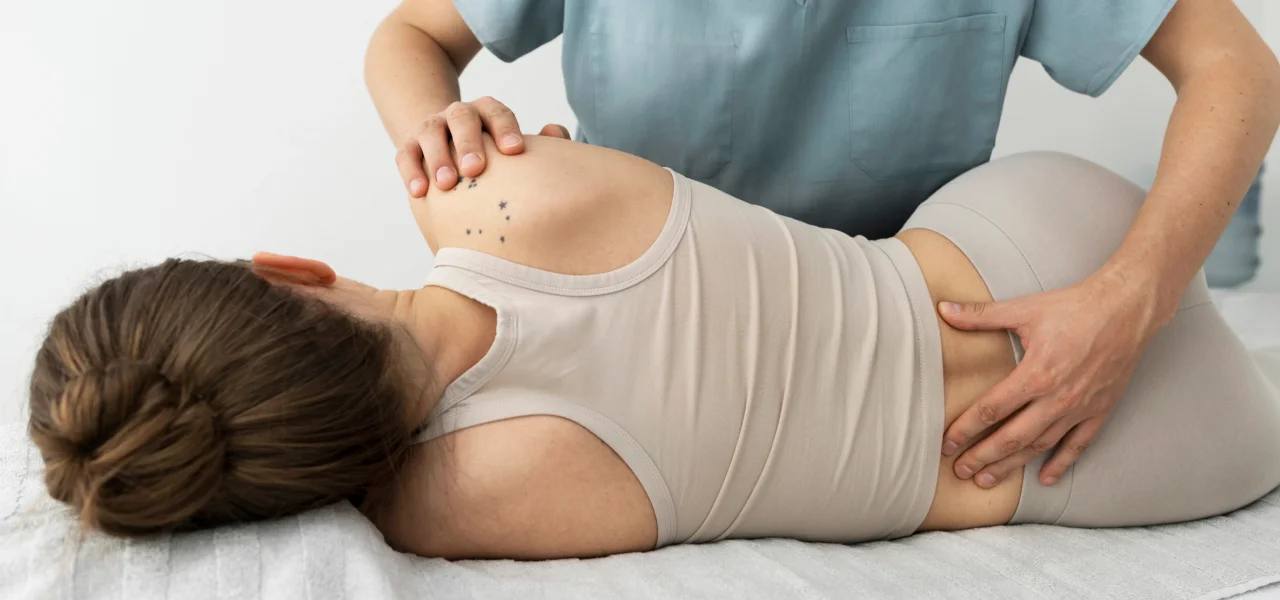
Osteopathy is a hands-on therapeutic approach that focuses on diagnosing, treating, and preventing a wide range of musculoskeletal conditions. It utilizes a combination of manual techniques, such as joint manipulation, stretching, massage, and soft tissue work, to address issues affecting the body’s structure and function. One of the key benefits of osteopathy is its ability to improve range of motion and mobility, which are essential for performing everyday activities and maintaining overall health.
Whether youre experiencing stiffness due to injury, chronic pain, or poor posture, osteopathy provides an effective solution to restore normal movement and flexibility. Here’s how osteopathy works to improve range of motion and mobility:
1. Realigning the Spine and Joints
Misalignment in the spine and joints is a common cause of restricted movement and stiffness. When joints are misaligned, they can limit the ability of the body to move freely and cause pain. Osteopaths use joint manipulation and mobilization techniques to restore proper alignment to the spine and other joints, improving mobility and reducing stiffness.
Joint manipulation involves applying controlled force to a joint to restore its natural movement and reduce restrictions.
Joint mobilization is a gentler technique where controlled movements are used to increase the range of motion in a joint.
By restoring joint alignment, osteopathy allows for smoother movement and reduces pain, ultimately improving both range of motion and mobility.
2. Releasing Muscle Tension
Tight or overactive muscles are one of the most common reasons for limited mobility. When muscles become tight, they restrict movement and can cause discomfort. Osteopathy helps release muscle tension through soft tissue manipulation and myofascial release. These techniques work by targeting tight muscles and fascia (connective tissue) to release built-up tension.
Myofascial release uses gentle pressure to target areas of tight fascia, allowing the muscles to move more freely and restoring flexibility.
Soft tissue manipulation involves massaging the muscles to reduce tightness, relieve pain, and promote better blood flow.
By relaxing tight muscles and fascia, osteopathy enhances muscle flexibility, increases mobility, and reduces stiffness, ultimately improving overall range of motion.
3. Improving Joint Mobility
Over time, or following an injury, joint stiffness can develop, particularly in areas like the shoulders, hips, knees, or spine. Stiff joints restrict movement and reduce flexibility, making it harder to perform simple activities such as reaching, bending, or walking.
Osteopathic techniques like joint mobilization and stretching help to improve the range of motion in the affected joints. By gently mobilizing stiff joints and releasing tension in the surrounding muscles, osteopathy restores normal joint function and enhances mobility. This can significantly improve a persons ability to move freely, whether during exercise or daily tasks.
4. Addressing Muscle Imbalances
Muscle imbalances, where some muscles are tight and others are weak, can lead to restricted movement and posture issues. For example, tight hip flexors or hamstrings can affect the pelvis and lower back, causing discomfort and limiting movement. Similarly, weak muscles can fail to properly support the joints, leading to instability and restricted motion.
Osteopathy helps address these imbalances by strengthening weak muscles and relaxing overactive muscles. Using techniques such as muscle energy techniques and manual stretching, osteopaths work to restore balance to the musculoskeletal system. By improving muscle coordination and strength, osteopathy enables the body to move more efficiently and with greater range.
5. Improving Posture and Alignment
Postural issues, such as slumping or rounding the shoulders, can significantly reduce range of motion and affect mobility. Poor posture places unnecessary strain on the muscles, joints, and ligaments, limiting movement and leading to discomfort. Osteopathy focuses on restoring proper posture by realigning the spine, shoulders, and pelvis.
Spinal manipulation and postural realignment help correct misalignments in the spine and other joints, reducing the strain on muscles and ligaments and improving overall body function.
When the body is aligned properly, muscles and joints work more efficiently, increasing mobility and range of motion. By improving posture, osteopathy helps the body maintain a more balanced and functional state, enhancing overall flexibility and movement.
6. Enhancing Circulation and Tissue Health
Limited mobility can also be a result of poor circulation, which affects the delivery of oxygen and nutrients to muscles and joints. Poor circulation can cause muscles to become stiff and slow down the healing process. Osteopathic techniques, such as soft tissue manipulation and lymphatic drainage, improve circulation by increasing blood flow and encouraging the movement of lymph throughout the body.
Increased circulation delivers more oxygen and nutrients to the muscles and joints, helping them recover from strain or injury and reducing stiffness.
Lymphatic drainage helps remove waste products from tissues, reducing inflammation and promoting tissue healing.
Better circulation improves the health of tissues, accelerates recovery from injuries, and enhances flexibility, ultimately improving mobility and range of motion.
7. Promoting Tissue Healing and Reducing Inflammation
Osteopathy is beneficial for promoting the healing of injured or inflamed tissues. When muscles, joints, or fascia are injured, they can become stiff, inflamed, and less mobile. Osteopaths use gentle manipulation and soft tissue work to increase circulation, reduce inflammation, and promote tissue repair.
Manual therapy helps to increase blood flow to the injured area, delivering nutrients to promote healing.
Lymphatic drainage can help reduce swelling and clear out waste products from the tissues, reducing inflammation and improving movement.
By supporting tissue healing and reducing inflammation, osteopathy enhances recovery and restores normal movement and flexibility.
8. Preventing Future Injuries
In addition to treating existing restrictions in mobility, osteopathy also focuses on preventing future injuries by improving movement patterns and addressing structural imbalances. Through postural correction, muscle strengthening, and range of motion exercises, osteopaths help patients move in a more balanced and functional way.
By addressing the underlying causes of restricted movementsuch as muscle imbalances, poor posture, or joint misalignmentosteopathy helps individuals maintain proper body mechanics and reduce the risk of future injury. This proactive approach to mobility ensures that the body remains flexible and mobile over the long term.
Conclusion: Osteopathy for Improved Range of Motion and Mobility
Osteopathy provides a comprehensive, holistic approach to improving range of motion and mobility. Through techniques such as joint manipulation, myofascial release, postural correction, and muscle balancing, osteopathy restores the natural flexibility of the body and enhances its ability to move freely. Whether you’re dealing with stiffness from injury, poor posture, or muscle tension, osteopathy offers an effective solution to increase mobility, reduce pain, and improve overall movement efficiency.
By addressing both the symptoms and the root causes of restricted movement, osteopathy helps ensure long-term flexibility and mobility, supporting better function, improved quality of life, and reduced risk of future injury.