How Structural Integration Relieves Chronic Pain and Improves Movement explores targeted strategies for recovery. Discover new paths to mobility, healing, and personalized care.

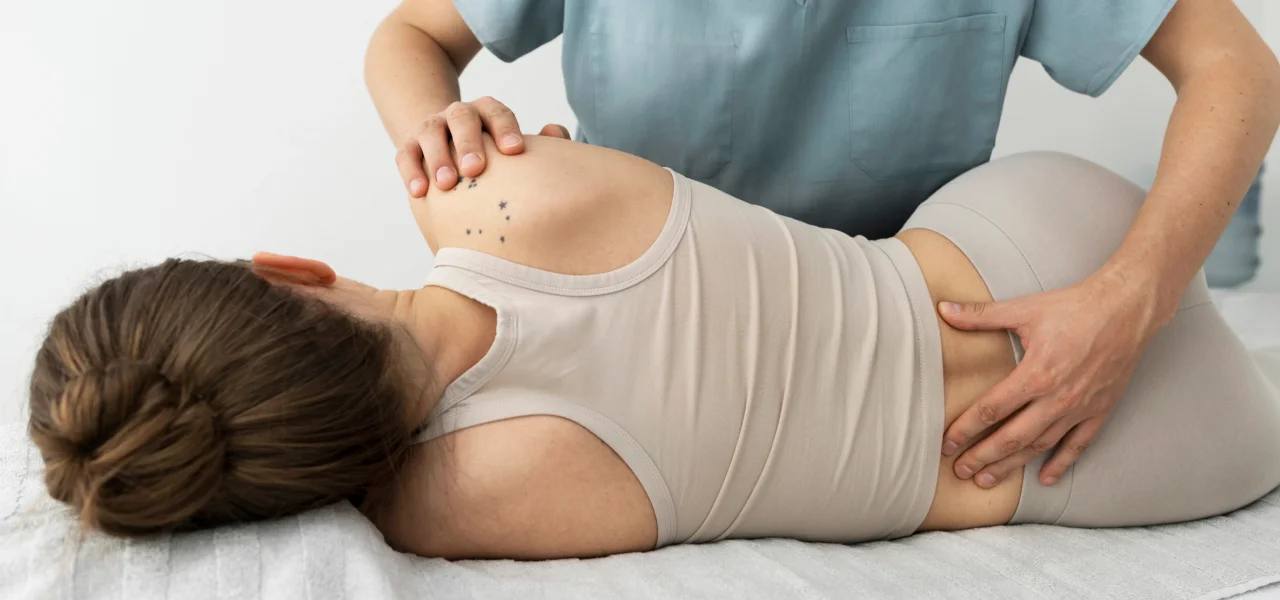
Structural Integration (SI), also known as Rolfing, is a holistic bodywork technique that focuses on the manipulation and realignment of the fasciathe connective tissue that surrounds muscles, bones, and organsto enhance movement, alleviate pain, and promote overall physical well-being. Chronic pain, whether caused by injury, poor posture, or long-standing musculoskeletal imbalances, can significantly affect ones quality of life. Structural Integration addresses the underlying causes of chronic pain by restoring the bodys natural alignment, releasing tension in the fascia, and improving overall mobility.
Heres how Structural Integration works to relieve chronic pain and improve movement:
1. Releasing Fascial Restrictions
Fascia is the connective tissue that envelops muscles, bones, and organs, providing support and structure. When fascia becomes tight or restricted, whether due to injury, poor posture, or repetitive movements, it can limit movement, cause pain, and contribute to muscle imbalances. Chronic pain is often a result of these fascial restrictions.
Structural Integration uses myofascial release techniques to target and release tight fascia. Through deep pressure and manual manipulation, SI works to break up adhesions and restore the fascias flexibility. This helps free up the muscles, joints, and tissues, reducing pain and improving range of motion. As the fascia becomes more pliable, it allows for more natural, efficient movement, which leads to relief from chronic discomfort.
2. Realigning the Bodys Structure
Misalignment in the bodys posture and joints is often at the root of chronic pain, particularly in the back, neck, and shoulders. Poor posture, misaligned joints, or compensatory movement patterns can create muscle imbalances and uneven strain on the bodys structure. Over time, this misalignment can lead to pain, especially in weight-bearing joints like the hips, knees, and spine.
Structural Integration realigns the body through manual manipulation of the muscles, fascia, and joints. The therapist works to restore the bodys natural posture and alignment by applying precise pressure and mobilizing the joints. By realigning the spine, pelvis, and shoulders, SI reduces strain on muscles and joints, easing discomfort and preventing further injury. Proper alignment also promotes more efficient movement and reduces the risk of future pain.
3. Addressing Muscle Imbalances
Muscle imbalances, where some muscles are overly tight and others are weak, can contribute to chronic pain and poor movement. For instance, tight hip flexors and weak glutes can lead to lower back pain, while tight chest muscles can lead to rounded shoulders and neck strain. These imbalances can place excessive strain on certain muscles and joints, causing discomfort and limiting movement.
Structural Integration addresses muscle imbalances by using myofascial release, muscle energy techniques, and deep tissue manipulation to release tight muscles and activate weaker ones. By restoring muscle balance, SI helps to reduce muscle strain and improve functional movement. When muscles work together in harmony, it reduces pain and enhances movement efficiency.
4. Improving Posture and Alignment
Chronic pain is often exacerbated by poor posture. Misalignments in the spine, pelvis, and shoulders can cause uneven stress on the musculoskeletal system, leading to pain, particularly in the back, neck, and shoulders. Over time, poor posture can lead to muscle fatigue, stiffness, and tension.
Structural Integration focuses on correcting postural imbalances by realigning the spine, shoulders, and pelvis. Through techniques like spinal manipulation and soft tissue therapy, SI restores the bodys natural alignment and promotes better posture. Proper posture reduces strain on the muscles, ligaments, and joints, helping to alleviate chronic pain and improve overall mobility. By improving alignment, SI supports better body mechanics, which helps maintain long-term musculoskeletal health and prevent further pain.
5. Enhancing Range of Motion and Flexibility
One of the main contributors to chronic pain is stiffness, which limits the range of motion in the joints and muscles. Whether due to injury, poor posture, or lack of movement, stiffness in the body can create discomfort and hinder daily activities.
Structural Integration improves flexibility and range of motion by releasing restrictions in the fascia and improving the function of the joints. Through techniques like joint mobilization, myofascial release, and stretching, SI helps to loosen tight muscles and fascia, allowing for more fluid and natural movement. As flexibility improves, stiffness is reduced, and the body becomes more mobile, allowing for better movement without pain.
6. Reducing Stress and Tension
Chronic pain is often exacerbated by stress, which can lead to muscle tightness and tension, particularly in the neck, shoulders, and back. Emotional or physical stress causes the body to tense up, which can worsen pain, creating a vicious cycle.
Structural Integration not only addresses the physical aspects of pain but also promotes relaxation by releasing muscle tension. Through gentle manipulation of the soft tissues, SI helps reduce stress-induced muscle tightness and improve the bodys overall ability to relax. The therapeutic touch used in SI promotes a sense of well-being, helping individuals manage stress and reduce tension in the body.
7. Enhancing Circulation and Tissue Healing
Poor circulation is another factor that can contribute to chronic pain, as it limits the delivery of oxygen and nutrients to the muscles and tissues. Restricted blood flow can also slow down the bodys healing process, leading to prolonged discomfort and stiffness.
Structural Integration improves circulation by enhancing blood flow to the muscles, fascia, and joints. As the bodys structure is realigned and restrictions are released, blood flow to the affected areas is increased, promoting the delivery of oxygen and nutrients needed for tissue repair. Improved circulation also helps remove metabolic waste products and toxins from the tissues, reducing inflammation and accelerating healing. Enhanced circulation not only helps with pain relief but also supports long-term healing and recovery from injury.
8. Supporting Holistic Healing
Structural Integration is not just about alleviating painit’s about promoting overall body health and well-being. By working on the fascia, muscles, and joints, SI supports the bodys natural ability to heal itself. This holistic approach encourages the body to function as a cohesive unit, improving its ability to move, heal, and maintain balance.
Osteopathic principles also influence the approach to SI, focusing on the bodys inherent ability to recover from injury. By improving alignment, muscle function, and flexibility, SI helps individuals achieve long-lasting pain relief and improved movement without relying on medications or invasive treatments.
9. Preventing Future Pain and Injury
Once chronic pain is alleviated through Structural Integration, its important to maintain the improvements in mobility and function to prevent future pain. SI works to not only treat existing pain but also prevent future injury by addressing the root causes of musculoskeletal dysfunction.
Through postural correction, muscle strengthening, and movement re-education, SI helps individuals develop better body mechanics, which reduces the risk of future pain or injury. By improving the bodys overall function and efficiency, SI ensures that the body remains resilient, minimizing the likelihood of recurring pain.
Conclusion: Structural Integration for Chronic Pain Relief and Improved Movement
Structural Integration is a highly effective treatment for chronic pain and movement dysfunction, as it works to address the underlying causes of discomfort and restore balance to the body. By releasing fascial restrictions, realigning the spine, improving muscle function, and enhancing circulation, SI provides lasting relief from pain and improves overall mobility. Whether youre dealing with chronic pain, recovering from injury, or looking to prevent future discomfort, Structural Integration offers a comprehensive solution for pain management and improved movement. It promotes the bodys natural healing process, supports long-term health, and enhances quality of life