The Role of Osteopathy in Restoring Postural Balance explores targeted strategies for recovery. Discover new paths to mobility, healing, and personalized care.

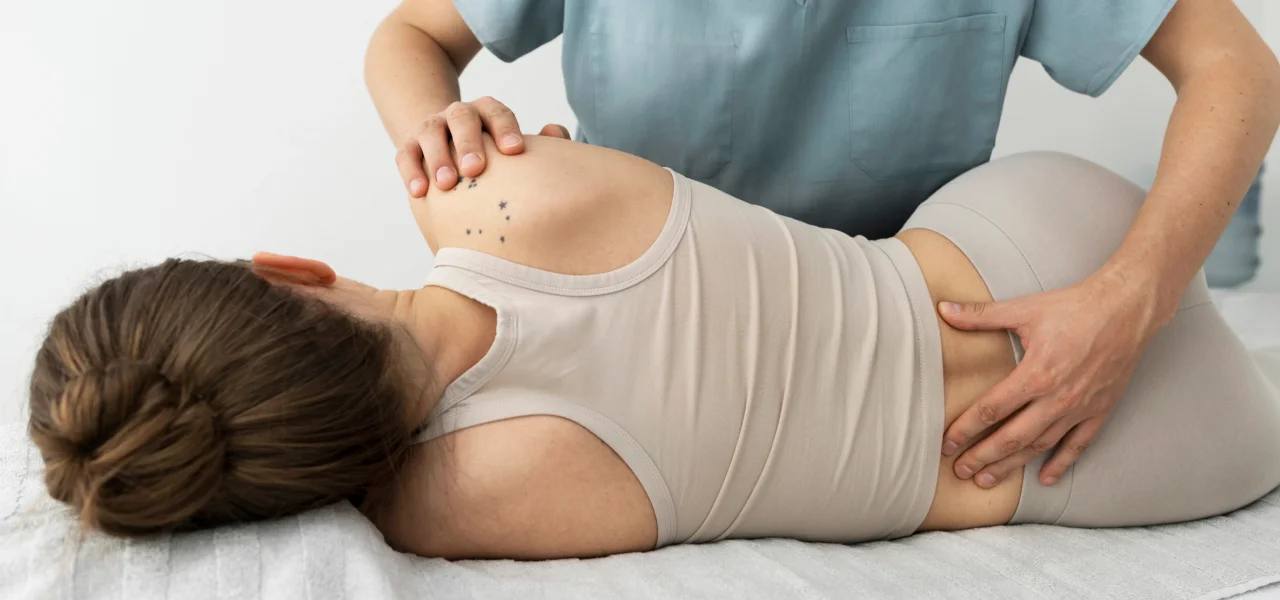
Postural imbalances can lead to a wide range of musculoskeletal problems, including chronic pain, joint dysfunction, muscle strain, and decreased mobility. Poor posture, whether due to poor habits, injury, or lifestyle factors, can place undue stress on the bodys musculoskeletal system, leading to discomfort and limiting movement. Osteopathy, a holistic healthcare approach, plays a crucial role in restoring postural balance by addressing the root causes of misalignment, improving spinal health, and enhancing overall body mechanics. Through manual techniques and a focus on whole-body alignment, osteopathy helps the body function more efficiently and reduces the risk of injury.
Heres how osteopathy restores postural balance:
1. Realigning the Spine and Joints
The spine is the central pillar of the body, and its alignment is critical for maintaining proper posture and function. Poor posture often arises from misalignments in the spine, pelvis, and joints, leading to muscle tension, pain, and restricted movement. Osteopaths use spinal manipulation and joint mobilization to realign the spine and other affected joints. These manual techniques help restore proper alignment, improve joint mobility, and alleviate strain on muscles, ligaments, and nerves.
Spinal manipulation involves applying controlled force to the spine to restore natural curvature and reduce misalignments, which improves posture and reduces pain.
Joint mobilization uses gentle, controlled movements to improve the range of motion in restricted joints, helping to realign the body and reduce discomfort.
By realigning the spine and joints, osteopathy helps restore balance to the bodys structure, reducing the risk of pain and injury caused by poor posture.
2. Releasing Muscle Tension and Improving Flexibility
Muscle tension is one of the primary contributors to poor posture. Tight muscles, especially in the neck, shoulders, and lower back, can pull the body out of alignment, leading to discomfort and postural imbalances. Osteopathy helps release muscle tension through soft tissue manipulation, myofascial release, and stretching techniques. These therapies relax tight muscles, increase flexibility, and improve the bodys ability to maintain proper posture.
Myofascial release targets tight areas in the fascia (the connective tissue surrounding muscles), promoting greater mobility and flexibility.
Soft tissue massage helps to relax overactive muscles and increase blood flow to the affected areas, promoting relaxation and reducing strain.
By releasing muscle tension and improving flexibility, osteopathy helps restore the bodys natural alignment, enabling better posture and reducing the risk of musculoskeletal pain.
3. Strengthening Weak Muscles
Weak muscles, particularly in the core, back, and hips, can contribute to poor posture and imbalance. For example, weak abdominal muscles can cause the pelvis to tilt forward, leading to lower back pain. Similarly, weak upper back muscles can contribute to rounded shoulders or forward head posture. Osteopaths design strengthening exercises and movement retraining programs to activate and strengthen weak muscles.
Through muscle energy techniques, rehabilitation exercises, and postural education, osteopathy strengthens the muscles that support the spine and joints, improving stability and helping to restore postural balance. Strengthening weak muscles ensures that the bodys posture is supported properly, reducing strain and preventing pain.
4. Improving Body Awareness
Poor posture often stems from a lack of awareness of how the body is positioned during everyday activities. Osteopathy promotes postural education by helping individuals become more aware of their body mechanics and how they move. Osteopaths assess movement patterns and provide advice on maintaining proper posture while sitting, standing, walking, and lifting.
By increasing body awareness, osteopathy helps individuals make conscious adjustments to their posture throughout the day. This awareness can reduce the risk of postural problems and help prevent the strain caused by poor alignment. Over time, improved body awareness becomes ingrained, supporting long-term postural health.
5. Addressing Pelvic and Hip Alignment
The pelvis is a key area in postural alignment, as it directly influences the positioning of the spine and legs. Misalignment in the pelvis can lead to lower back pain, hip discomfort, and improper movement patterns. Osteopathy focuses on pelvic realignment through gentle manipulation and mobilization techniques. By restoring balance in the pelvis and hips, osteopathy ensures that the spine and lower body function properly.
Pelvic alignment also plays a critical role in preventing issues such as sciatica, hip pain, and knee pain, all of which can result from poor posture. By addressing pelvic imbalances, osteopathy helps improve posture, alleviate discomfort, and support overall body alignment.
6. Enhancing Movement Patterns and Function
Postural balance is not only about static alignment but also about how the body moves. Poor movement patterns, such as slouching while sitting or rounding the shoulders while standing, can contribute to postural problems over time. Osteopathy helps improve movement efficiency by identifying faulty movement patterns and providing guidance on how to move in a way that supports proper alignment.
Through functional movement training and exercise rehabilitation, osteopaths teach patients how to move with proper posture, reducing the strain on muscles and joints. By improving the way the body moves, osteopathy enhances overall function and helps prevent the development of postural issues in the future.
7. Supporting the Bodys Natural Healing Process
Osteopathy focuses on the bodys inherent ability to heal itself. By improving alignment, joint mobility, and muscle function, osteopathy encourages the bodys natural healing mechanisms, helping to restore postural balance and prevent future dysfunction. For example, osteopaths use manual techniques to reduce tension, improve circulation, and promote tissue repair, supporting the bodys natural recovery processes.
By supporting the bodys healing capabilities, osteopathy helps maintain long-term health and postural integrity, reducing the likelihood of chronic pain and postural issues.
8. Preventing Long-Term Postural Problems
The goal of osteopathy is not just to correct existing postural issues but also to prevent long-term postural problems that can lead to chronic pain, muscle imbalances, and joint degeneration. By addressing the root causes of poor posture and movement dysfunction, osteopathy helps individuals maintain healthy body mechanics and avoid the development of long-term issues.
Through preventive care such as regular osteopathic treatment, strengthening exercises, and postural education, osteopathy supports long-term health by helping individuals develop good habits and maintain optimal posture and movement patterns. This proactive approach reduces the risk of developing chronic conditions, such as arthritis or degenerative disc disease, that are often associated with poor posture.
9. Improving Overall Well-Being
In addition to its physical benefits, osteopathy promotes overall well-being by addressing the mind-body connection. Chronic pain, tension, and postural issues can have a negative impact on mental health, leading to stress, anxiety, and fatigue. By reducing pain, improving posture, and promoting relaxation, osteopathy enhances emotional and psychological well-being as well.
Osteopathys holistic approach supports the bodys overall health and functionality, helping individuals feel more balanced, energized, and capable of managing daily activities with greater ease and comfort.
Conclusion: Osteopathy in Restoring Postural Balance
Osteopathy plays a critical role in restoring postural balance by addressing the underlying causes of misalignment, muscle imbalances, and movement dysfunction. Through spinal manipulation, joint mobilization, muscle strengthening, postural education, and movement re-education, osteopathy helps individuals achieve better posture, reduce pain, and improve overall movement efficiency. By supporting the bodys natural healing abilities and promoting long-term health, osteopathy helps prevent the development of postural issues and ensures that the body remains balanced, functional, and pain-free.