The Role of Structural Integration in Achieving Full-Body Health explores targeted strategies for recovery. Discover new paths to mobility, healing, and personalized care.

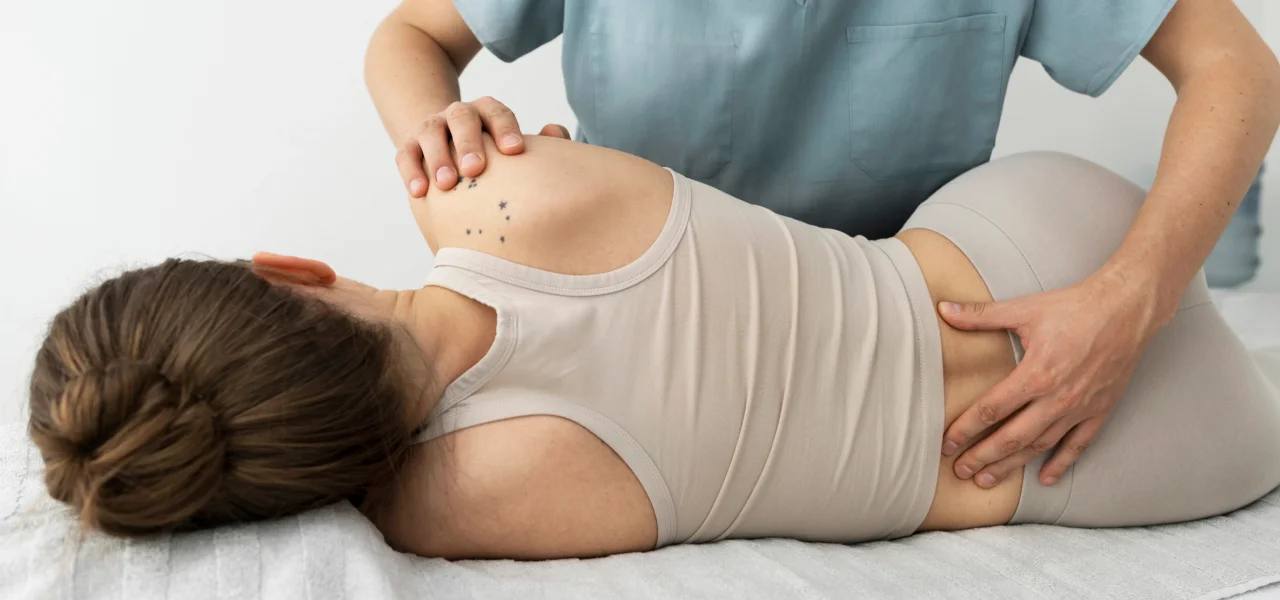
Structural Integration (SI), often referred to as Rolfing, is a powerful therapeutic approach that focuses on the manipulation of the fasciaan intricate connective tissue that surrounds muscles, bones, and organsto promote better alignment, balance, and mobility. SI takes a holistic approach to health by addressing the bodys structure and how its various parts work together. The goal of Structural Integration is not just to relieve pain, but to help the body function more efficiently, improve posture, and optimize overall movement patterns. By improving the relationship between the body’s muscles, joints, fascia, and bones, SI helps achieve full-body health, which includes physical, emotional, and even psychological well-being.
Heres how Structural Integration plays a vital role in achieving full-body health:
1. Improving Postural Alignment and Function
Proper posture is fundamental to the bodys health. Poor posture can lead to imbalances in the musculoskeletal system, leading to strain, pain, and inefficiency in movement. SI focuses on realigning the bodys structure, particularly the spine, pelvis, and shoulders. By restoring optimal alignment, SI reduces stress on the joints and muscles, which in turn prevents pain and enhances overall body function.
Spinal alignment is a key focus in SI. By addressing misalignments in the spine, SI ensures that the nervous system functions optimally, allowing the body to perform tasks more efficiently and with less discomfort.
Pelvic alignment is crucial for maintaining a balanced posture. SI works to release restrictions in the pelvis, improving the distribution of weight across the body and reducing strain on the lower back and hips.
By improving postural alignment, SI helps the body function more naturally, supporting overall health and reducing the risk of injury.
2. Releasing Fascial Restrictions and Improving Flexibility
Fascia is the connective tissue that holds the muscles, bones, and organs in place. However, when fascia becomes tight or restrictedoften due to poor posture, stress, injury, or repetitive movementsit can limit flexibility, reduce mobility, and contribute to pain. SI addresses fascial restrictions using techniques such as myofascial release and deep tissue manipulation.
By releasing tension in the fascia, SI improves the range of motion and flexibility in the muscles and joints. This not only helps reduce discomfort and stiffness but also supports full-body movement, ensuring that every part of the body works in harmony.
3. Restoring Balance Across the Musculoskeletal System
The body functions as a complex system of interconnected parts, and imbalance in one area can lead to problems in other areas. For instance, if the hips are misaligned, this can lead to knee or lower back pain due to compensatory movements. SI works by restoring balance throughout the body, addressing muscular and structural imbalances that may have developed over time.
Muscle imbalances are common, with some muscles becoming tight and overactive, while others are weak and underactive. SI works to release tight muscles and activate weaker muscles, ensuring that the muscles work together effectively. This leads to improved movement efficiency, reduced pain, and better overall function.
Joint stability is also enhanced as SI realigns the body and releases restrictions, ensuring that joints move more fluidly and with less strain.
By restoring balance in the body, SI helps to prevent further injury and improves overall health.
4. Improving Movement Patterns
Inefficient or dysfunctional movement patterns can lead to a range of issues, from pain and discomfort to long-term injuries. SI focuses on improving how the body moves by addressing misalignments and tension in the muscles and fascia. This is achieved through postural correction and movement re-education.
Movement efficiency is a central component of SI. By improving posture and alignment, SI helps individuals move more naturally and fluidly, reducing unnecessary strain and preventing injury.
Breathing patterns are also addressed in SI. Deep, efficient breathing is essential for overall health and well-being. SI works to release restrictions in the ribcage and diaphragm, allowing for fuller, more natural breathing.
Improved movement patterns not only reduce pain and discomfort but also support overall vitality and functional health.
5. Supporting Emotional and Psychological Well-Being
The mind and body are deeply connected, and physical restrictions can often manifest as emotional or psychological tension. Chronic stress or unresolved emotional issues can lead to physical tension in the body, especially in areas such as the shoulders, neck, and lower back. SI acknowledges the connection between the body and mind and works to release both physical and emotional tension.
By addressing deep-seated fascial restrictions, SI helps to alleviate both physical pain and the emotional stress that often accompanies it.
Body awareness is enhanced through the process, which allows individuals to reconnect with their bodies, improving their sense of well-being and emotional balance.
By addressing both the physical and emotional components of health, SI promotes a sense of overall wellness that transcends just the physical body.
6. Enhancing Circulation and Lymphatic Flow
Effective circulation is essential for overall health, as it supplies oxygen and nutrients to tissues and removes waste products. Restricted movement and tight fascia can hinder circulation, leading to muscle fatigue, swelling, and poor tissue health. SI promotes better circulation by releasing restrictions in the muscles and fascia, allowing for more fluid and efficient movement of blood and lymph throughout the body.
Improved circulation helps speed up the healing process by delivering nutrients to the tissues and aiding in the removal of toxins.
Lymphatic drainage is also enhanced, reducing swelling and inflammation, and promoting immune system health.
The improved circulation and lymphatic flow foster a healthy, energized body that supports optimal wellness.
7. Preventing Future Injury
While Structural Integration is often used to address current pain or dysfunction, it also plays a crucial role in preventing future injuries. By improving posture, balance, and movement patterns, SI helps the body function more efficiently and reduces the risk of overuse injuries or chronic conditions.
Preventive care is an essential aspect of SI. By addressing misalignments and fascial restrictions early, SI reduces the likelihood of pain developing in the future. Regular treatments help maintain optimal body function, prevent imbalances, and support long-term health.
Strengthening and lengthening muscles through SI ensures that the body is resilient and less prone to injury, even with repetitive activities or intense physical exertion.
8. Supporting Long-Term Musculoskeletal Health
Structural Integration promotes long-term musculoskeletal health by ensuring that the body remains properly aligned, balanced, and flexible. Regular sessions can help individuals maintain healthy posture, mobility, and function as they age. By addressing the root causes of musculoskeletal issues and improving movement, SI supports the maintenance of optimal physical health.
Longevity in movement is supported by continuous realignment and the release of fascial tension, reducing the risk of developing conditions such as arthritis, back pain, or joint degeneration.
Holistic care ensures that the entire body is functioning efficiently, which supports long-term wellness and quality of life.
Conclusion: Structural Integration for Full-Body Health
Structural Integration is a powerful and holistic approach to achieving full-body health. By addressing the bodys posture, alignment, fascia, and movement patterns, SI improves physical function, reduces pain, and enhances overall well-being. It promotes flexibility, strengthens muscles, and supports the bodys natural ability to heal itself. Whether you are dealing with current discomfort, looking to prevent future injuries, or aiming to improve overall physical performance, Structural Integration offers a comprehensive solution that supports long-term health, vitality, and wellness. By working with the body as a whole, SI helps individuals feel better, move better, and live healthier lives.