How Osteopathy Relieves Muscle Tension and Enhances Relaxation explores targeted strategies for recovery. Discover new paths to mobility, healing, and personalized care.

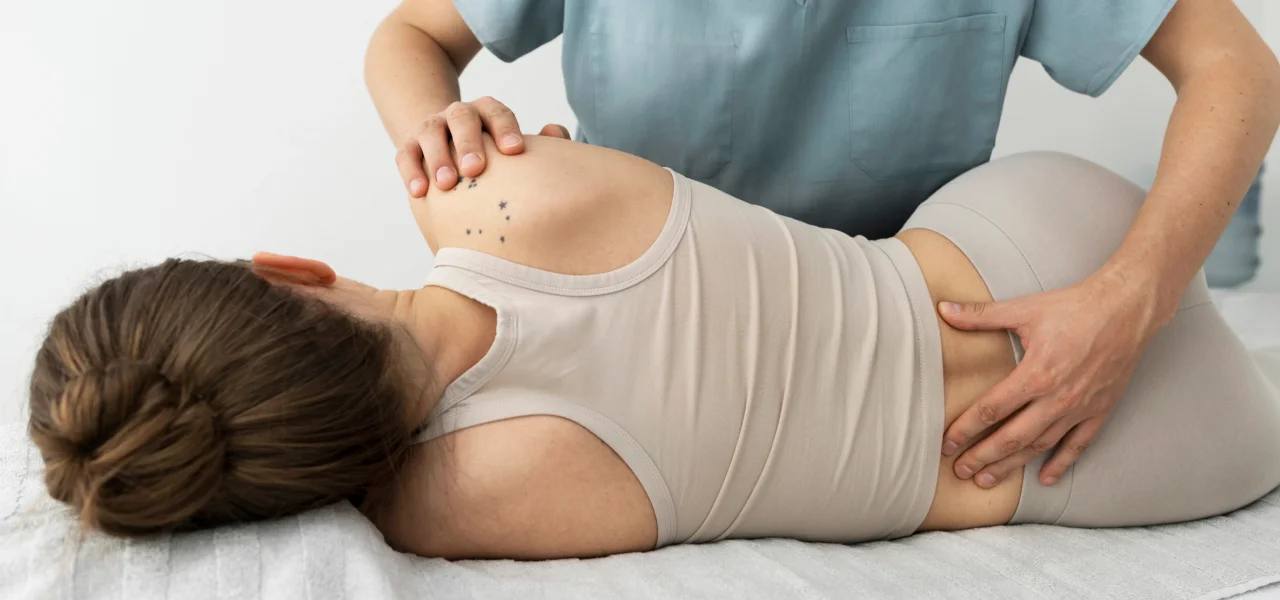
Osteopathy is a holistic form of healthcare that focuses on the diagnosis, treatment, and prevention of musculoskeletal conditions by emphasizing the body’s ability to heal itself. One of the key benefits of osteopathy is its ability to relieve muscle tension and enhance relaxation. This is achieved through a combination of manual techniques that address the body’s structural imbalances, release tight muscles, and improve circulation. By treating the root causes of muscle tension, osteopathy not only provides relief from discomfort but also supports overall well-being, helping the body function more effectively.
Heres how osteopathy works to relieve muscle tension and promote relaxation:
1. Manual Techniques to Release Muscle Tension
Osteopaths use a variety of hands-on techniques to directly address muscle tension and stiffness. By targeting specific areas of the body, osteopathy helps to relieve the tightness in muscles that can cause pain and restrict movement.
Soft Tissue Manipulation: This includes techniques such as massage, myofascial release, and deep tissue work to release tight muscles and fascia. These techniques apply pressure to specific areas of the body to break up adhesions and improve the elasticity of the muscles and connective tissue, allowing them to relax and function more freely.
Muscle Energy Techniques (METs): These are gentle techniques that use the patients own muscle contractions to stretch and lengthen the muscles. By encouraging the muscles to contract and then relax, METs help to improve flexibility, relieve muscle tightness, and restore balance to muscle groups.
By applying these techniques, osteopathy helps reduce muscle tension, improving flexibility and reducing the strain on affected areas.
2. Improving Circulation and Oxygenation to Muscles
One of the primary contributors to muscle tension is poor circulation. When blood flow to the muscles is restricted, it can lead to stiffness, fatigue, and discomfort. Osteopathic treatments promote better circulation, allowing for more efficient delivery of oxygen and nutrients to the muscles while helping to flush out metabolic waste products.
Joint Mobilization and Spinal Manipulation: By mobilizing joints and manipulating the spine, osteopaths help to improve blood flow throughout the body. This increased circulation not only aids in muscle relaxation but also helps to reduce swelling, inflammation, and pain.
Lymphatic Drainage: Osteopathic techniques also improve lymphatic flow, helping to clear waste products from the tissues and reduce tension. By promoting healthy lymphatic circulation, osteopathy ensures that muscles can heal and relax more effectively.
Improved circulation enhances muscle relaxation and recovery, reducing the likelihood of muscle tightness and discomfort.
3. Alleviating Stress and Promoting Relaxation
Muscle tension is often exacerbated by stress, both physical and emotional. Chronic stress leads to muscle tightening, particularly in areas like the neck, shoulders, and back. This tension can create a cycle of discomfort, pain, and stress, which further exacerbates muscle tightness.
Osteopathy helps to reduce physical tension by releasing muscle tightness and improving alignment. At the same time, it promotes a relaxed state by encouraging the activation of the parasympathetic nervous systemthe part of the nervous system responsible for relaxation and recovery.
Cranial-Sacral Therapy: A technique often used in osteopathy, cranial-sacral therapy involves gentle pressure on the head and spine to release deep-seated tension in the body. This therapy helps calm the nervous system, inducing a deep state of relaxation that can ease both physical and emotional tension.
Myofascial Release and Soft Tissue Techniques: These methods encourage the body to relax and release tension from the fascia, which helps improve body awareness and reduce stress. The gentle touch used in these techniques often leads to a sense of well-being and calmness.
By releasing both physical tension and promoting relaxation, osteopathy helps reduce the impact of stress on the body, resulting in a deeper state of relaxation and a greater sense of peace.
4. Realigning the Spine and Postural Correction
Misalignments in the spine and pelvis can cause muscle tension by placing strain on muscles and ligaments. For example, poor posture or spinal misalignments can cause muscles to overwork in order to compensate for the imbalance, leading to chronic muscle tightness and discomfort.
Osteopathy works to restore proper alignment of the spine and pelvis, which helps reduce the strain on muscles and supports better posture. Correcting misalignments reduces the need for muscles to compensate, allowing them to relax and function properly.
Spinal Manipulation: This technique realigns the vertebrae of the spine, releasing tension in the surrounding muscles and promoting better posture.
Pelvic Realignment: By addressing misalignments in the pelvis, osteopathy ensures proper weight distribution and reduces the strain on muscles in the lower back and legs.
Proper spinal and pelvic alignment not only relieves muscle tension but also improves overall body mechanics, leading to better movement and less discomfort.
5. Releasing Emotional Tension Stored in the Body
Muscle tension often has an emotional component, with stress and anxiety causing muscles to tighten and contract. Osteopathy recognizes the mind-body connection and addresses both physical and emotional tension. By releasing tight muscles and improving movement, osteopathy helps to alleviate the physical manifestations of stress and emotional discomfort.
Gentle Pressure and Relaxation: Osteopaths use gentle, rhythmic techniques that promote deep relaxation and help release emotional tension stored in the body. By encouraging the body to let go of physical tension, SI helps individuals access a sense of emotional well-being.
Body Awareness: Osteopathic treatments promote greater body awareness, which helps individuals become more attuned to areas of tension and learn how to release emotional stress through conscious relaxation techniques.
By releasing both physical and emotional tension, osteopathy provides holistic care that supports overall well-being and promotes relaxation.
6. Supporting Long-Term Relaxation and Stress Reduction
Osteopathy is not just about addressing immediate discomfort; it also promotes long-term relaxation and well-being by encouraging healthier movement patterns and better body mechanics. Regular osteopathic treatments help to maintain muscle relaxation and prevent the build-up of tension over time.
Postural Education: Osteopaths provide guidance on how to maintain proper posture during daily activities, reducing strain on muscles and preventing future tension.
Preventive Care: Through regular osteopathic treatments, individuals can maintain flexibility, reduce stress, and keep their bodies aligned and balanced. This reduces the likelihood of muscle tightness and discomfort in the future.
By addressing the root causes of muscle tension and promoting long-term relaxation, osteopathy ensures that the body remains in a state of optimal function and relaxation.
Conclusion: Osteopathy for Muscle Tension and Relaxation
Osteopathy offers an effective, holistic approach to relieving muscle tension and enhancing relaxation. Through a combination of techniques that address muscle imbalances, improve spinal alignment, and promote circulation, osteopathy helps release tight muscles, reduce stress, and restore overall body function. By treating both the physical and emotional components of muscle tension, osteopathy not only provides immediate relief but also promotes long-term relaxation and well-being. Whether you are dealing with chronic muscle tightness, stress, or seeking to maintain a relaxed, balanced state, osteopathy offers a comprehensive solution for achieving lasting relaxation and improved muscle function.