The Role of Osteopathy in Treating Neck Pain and Improving Flexibility explores targeted strategies for recovery. Discover new paths to mobility, healing, and personalized care.

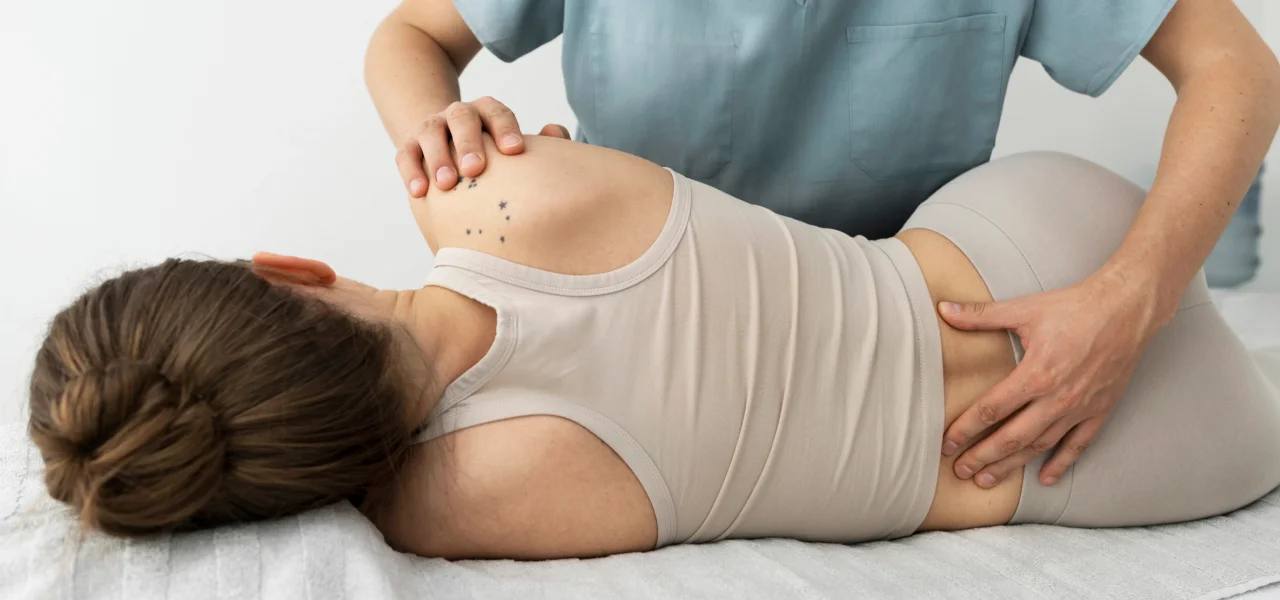
Neck pain is a common issue that can arise from a variety of factors, such as poor posture, muscle strain, stress, injury, or even repetitive movements. Osteopathy is an effective treatment approach for addressing neck pain and improving flexibility by focusing on the bodys musculoskeletal system. By using manual techniques, osteopaths help relieve pain, improve mobility, and restore function in the neck and surrounding areas. Osteopathy emphasizes the connection between the spine, muscles, and joints, which plays a crucial role in both treating pain and improving overall flexibility.
Heres how osteopathy helps with neck pain and improving flexibility:
1. Spinal Manipulation for Neck Pain Relief
The spine, particularly the cervical spine (neck region), plays a significant role in maintaining overall posture and movement. Misalignments in the spine, even small ones, can lead to tension and pain in the neck and surrounding areas. Osteopaths use spinal manipulation techniques to restore proper alignment to the spine, relieve pressure on nerves, and reduce neck pain.
Cervical spinal manipulation involves gentle adjustments to the vertebrae in the neck. These adjustments help to improve the alignment of the spine, reduce strain on the muscles and ligaments, and restore the proper range of motion in the neck.
Joint mobilization is another technique used in osteopathy that involves applying controlled movements to the neck joints. This helps improve the mobility of the joints, reducing stiffness and pain while promoting better flexibility.
By restoring proper spinal alignment, osteopathy reduces the strain on muscles and joints, helping to alleviate neck pain and enhance neck mobility.
2. Releasing Muscle Tension and Improving Soft Tissue Mobility
Neck pain often results from tight muscles, especially in the neck, shoulders, and upper back. Stress, poor posture, or prolonged sitting in one position can lead to muscle imbalances and stiffness. Osteopathy addresses these issues by using soft tissue techniques, such as myofascial release, deep tissue massage, and muscle energy techniques, to release tension and improve flexibility.
Myofascial release targets the fasciathe connective tissue surrounding musclesthat can become tight or restricted. By applying gentle, sustained pressure to areas of tension, osteopaths help to release fascial restrictions, improving tissue elasticity and restoring the normal function of muscles in the neck and upper back.
Deep tissue massage and soft tissue manipulation techniques are used to reduce muscle tightness and increase blood flow to the affected areas. This promotes healing and relaxation of the muscles, enhancing neck flexibility and reducing discomfort.
By releasing muscle tension and improving the mobility of soft tissues, osteopathy helps alleviate neck pain and restore flexibility.
3. Correcting Postural Imbalances
Poor posture is a major contributor to neck pain. Prolonged sitting, especially with improper ergonomics, can cause the head to jut forward, creating strain on the muscles in the neck and upper back. Osteopathy works to correct postural imbalances and restore proper alignment to prevent chronic neck pain and improve flexibility.
Postural education is a key component of osteopathic treatment. Osteopaths help individuals become aware of how they hold their body throughout the day and provide guidance on how to maintain a neutral spine and proper posture while sitting, standing, and moving.
Spinal and joint manipulation helps correct misalignments that may result from poor posture. By restoring proper alignment to the spine and improving the bodys posture, osteopathy reduces the strain on neck muscles and joints, preventing pain and improving overall flexibility.
By improving posture and realigning the spine, osteopathy reduces the risk of neck pain caused by misalignments and helps maintain better neck mobility.
4. Improving Blood Flow and Nutrient Delivery to Muscles
Neck pain and stiffness can be exacerbated by poor circulation in the muscles and tissues around the neck. When blood flow is restricted, the muscles do not receive adequate oxygen and nutrients, leading to fatigue, inflammation, and tension. Osteopathic techniques help improve circulation and lymphatic flow, promoting the healing process and reducing muscle tightness.
Lymphatic drainage techniques used in osteopathy help clear excess fluid and waste products from the tissues, reducing inflammation and swelling in the neck muscles.
Soft tissue therapy increases blood flow to the neck and shoulder muscles, delivering essential nutrients and oxygen for healing. This improves the mobility and flexibility of the muscles while reducing pain and stiffness.
By improving circulation, osteopathy supports the healing of tight muscles and enhances flexibility in the neck, contributing to long-term pain relief.
5. Addressing Stress and Tension
Emotional stress can often manifest physically, especially in the neck and shoulders. Stress and anxiety contribute to muscle tension, which can worsen existing neck pain and limit mobility. Osteopathy helps reduce the physical manifestations of stress by promoting relaxation and reducing muscle tension.
Cranial-sacral therapy is a gentle osteopathic technique that focuses on releasing tension in the head, neck, and spine. This therapy helps relax the nervous system, reduces stress, and promotes overall relaxation, which can alleviate neck pain caused by stress.
Relaxation techniques incorporated into osteopathic treatments help activate the parasympathetic nervous system (the bodys relaxation response), leading to a reduction in muscle tension and overall stress.
By addressing stress and promoting relaxation, osteopathy reduces neck tension and enhances flexibility, leading to a reduction in pain and improved well-being.
6. Enhancing Range of Motion in the Neck
Limited range of motion in the neck, often caused by stiffness, muscle tightness, or joint restrictions, can restrict daily activities and cause discomfort. Osteopathy focuses on improving range of motion by addressing joint and soft tissue restrictions and restoring proper alignment.
Joint mobilization and spinal manipulation techniques are used to improve the mobility of the neck joints, allowing them to move more freely. This is particularly helpful for individuals with neck stiffness or limited movement.
Myofascial release and deep tissue massage target tight muscles and fascia in the neck and upper back, improving their flexibility and allowing for greater movement in the neck.
By restoring range of motion, osteopathy helps reduce neck stiffness and discomfort, making it easier to perform everyday activities with greater flexibility.
7. Preventing Recurrence of Neck Pain
Osteopathy not only addresses existing neck pain but also plays a key role in preventing future discomfort. Through a combination of postural correction, muscle strengthening, and movement education, osteopathy provides long-term solutions for maintaining a healthy neck.
Strengthening exercises are often prescribed to help stabilize the neck and surrounding muscles. Stronger muscles can better support the head and spine, reducing the risk of strain and injury.
Movement retraining and postural awareness techniques help individuals avoid bad habits that may lead to future neck pain. By becoming more aware of how they move and hold their body, individuals can prevent strain and improve flexibility in the neck over time.
By addressing both the root causes of neck pain and providing preventive care, osteopathy helps ensure long-term neck health and flexibility.
Conclusion: Osteopathy for Neck Pain and Flexibility
Osteopathy offers a comprehensive approach to treating neck pain and improving flexibility. Through a combination of spinal manipulation, muscle relaxation, postural correction, and soft tissue therapy, osteopathy addresses the root causes of neck discomfort and restores balance to the neck and surrounding areas. Additionally, osteopathy improves circulation, reduces stress, and enhances mobility, all of which contribute to long-term pain relief and improved flexibility.