How Osteopathy Helps Prevent Future Injury and Supports Health explores targeted strategies for recovery. Discover new paths to mobility, healing, and personalized care.

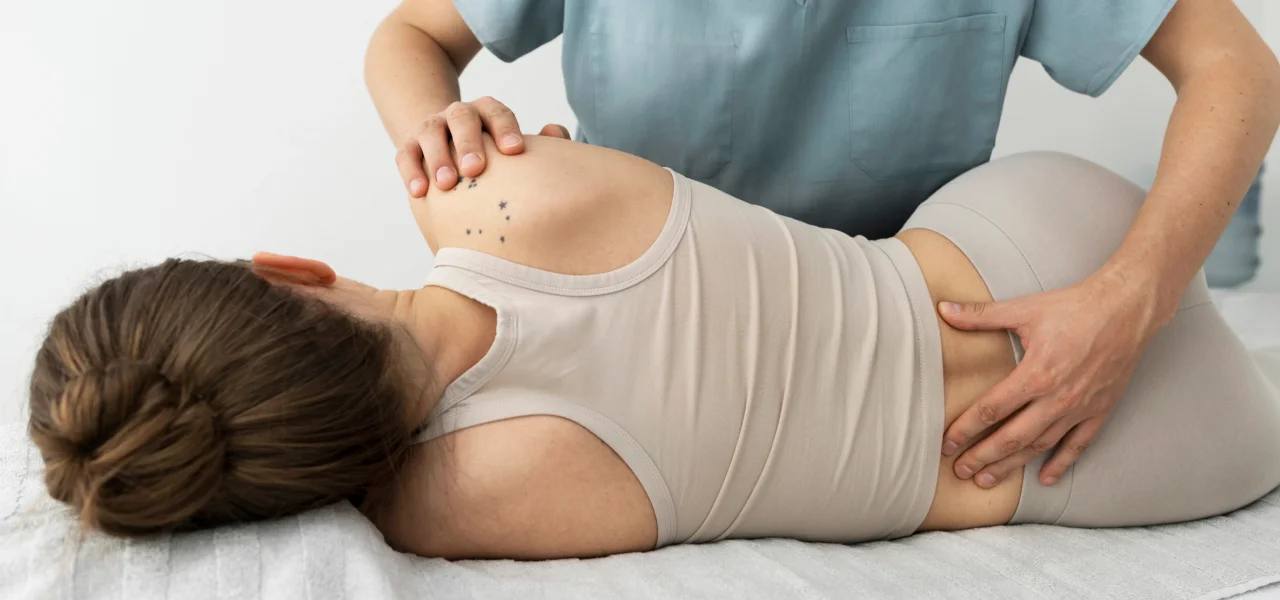
Osteopathy is a holistic approach to healthcare that focuses on the interrelationship between the bodys structure and its overall function. By using hands-on techniques to assess, treat, and prevent musculoskeletal issues, osteopathy not only helps alleviate pain but also plays a key role in preventing future injury and supporting long-term health. Osteopaths emphasize the bodys ability to heal itself when properly aligned and functioning, which is why osteopathic treatments are often used not just for treating injuries, but for maintaining and enhancing overall health and wellness.
Heres how osteopathy helps prevent future injury and supports health:
1. Restoring Proper Alignment
One of the key principles of osteopathy is that proper alignment of the spine and joints is essential for overall health. Misalignments can lead to muscle imbalances, joint strain, and restricted movement, all of which increase the risk of injury. Osteopathy helps restore proper alignment and promotes balance throughout the body.
Spinal manipulation is used to realign the vertebrae in the spine, which improves posture and ensures that the nervous system functions optimally. Misalignments in the spine can interfere with nerve signals, leading to pain and dysfunction. By realigning the spine, osteopathy reduces the risk of developing musculoskeletal issues.
Joint mobilization is another technique used to improve the function and alignment of the joints. By ensuring that the joints move freely and are properly aligned, osteopathy prevents excessive wear on the joints, reducing the risk of future injury, particularly in weight-bearing joints like the knees, hips, and lower back.
By ensuring that the bodys structure is properly aligned, osteopathy minimizes strain on the muscles, joints, and ligaments, reducing the likelihood of injury.
2. Improving Posture and Reducing Strain
Poor posture is a leading cause of musculoskeletal pain and injury. When the body is out of alignment, certain muscles and joints can become overworked, leading to tension, pain, and increased risk of injury. Osteopathy helps improve posture by realigning the spine and addressing musculoskeletal imbalances.
Postural correction techniques in osteopathy focus on correcting misalignments and training the body to hold better posture throughout daily activities. By realigning the spine and pelvis, osteopaths help ensure that weight is evenly distributed across the body, reducing strain on any one area.
Postural education is also an important aspect of osteopathic treatment. Osteopaths provide guidance on how to maintain healthy posture when sitting, standing, lifting, and moving to prevent undue strain on the muscles and joints.
By improving posture, osteopathy helps to distribute weight evenly across the body, reducing the risk of musculoskeletal issues and promoting overall spinal health and joint function.
3. Addressing Muscle Imbalances and Tension
Muscle imbalances occur when certain muscles become overactive and tight while others are weak or underactive. These imbalances can cause discomfort, poor posture, and, over time, lead to injury. Osteopathy works to restore balance to the muscular system by releasing tight muscles and activating weak ones.
Muscle energy techniques used in osteopathy involve applying gentle contractions to stretch and strengthen the muscles, which helps improve flexibility and muscle coordination.
Myofascial release targets the fasciathe connective tissue that surrounds musclesreleasing tension and improving tissue mobility. This helps restore flexibility to the muscles and prevents stiffness or tightness that could lead to muscle strains and injuries.
By addressing muscle imbalances, osteopathy ensures that the muscles work together efficiently, reducing the risk of overuse injuries and promoting muscle health.
4. Enhancing Range of Motion and Flexibility
Limited range of motion in the joints and muscles can lead to poor posture, inefficient movement, and an increased risk of injury. Osteopathy improves flexibility and range of motion through manual techniques that target both the soft tissues and joints.
Joint mobilization and myofascial release are used to improve joint mobility and restore flexibility in the muscles. These techniques help to release tight muscles and fascia, increasing the range of motion and improving overall body movement.
Stretching and strengthening exercises may also be recommended to improve flexibility and joint mobility. By ensuring that the muscles and joints are flexible, osteopathy reduces the risk of strains and sprains that can occur due to restricted movement.
Improved range of motion and flexibility ensure that the body moves more efficiently and with less risk of injury, particularly during physical activities or sports.
5. Supporting the Bodys Natural Healing Process
Osteopathy works on the principle that the body has an inherent ability to heal itself. By improving alignment, circulation, and the function of the musculoskeletal system, osteopaths help the body restore balance and accelerate the healing process.
Circulation improvement is a key part of osteopathy. Techniques like lymphatic drainage and soft tissue manipulation help to stimulate blood flow to the muscles and joints, promoting tissue repair and reducing inflammation.
Spinal manipulation and joint mobilization also help improve the movement of fluids in the body, ensuring that nutrients and oxygen are delivered to the tissues and waste products are efficiently removed. This speeds up recovery from injuries and reduces the likelihood of recurring pain.
By promoting the bodys natural healing abilities, osteopathy helps prevent the onset of chronic conditions and supports long-term health and musculoskeletal function.
6. Preventing Future Injuries through Movement Education
Osteopathy emphasizes the importance of movement education and teaches individuals how to move in ways that prevent injury. Many injuries occur due to improper body mechanics or repetitive movements that strain the muscles and joints.
Movement retraining involves teaching individuals how to move efficiently and with proper alignment, reducing the risk of stress on the body. For example, proper lifting techniques, ergonomically sound sitting postures, and safe walking and running forms can significantly reduce the risk of injury.
Osteopaths also provide ergonomic advice for activities like sitting at a desk, working on a computer, or standing for extended periods. By adjusting posture and body mechanics during these daily tasks, individuals can prevent muscle strain, joint pain, and repetitive stress injuries.
By teaching individuals how to move properly and safely, osteopathy helps prevent injuries caused by poor habits or repetitive movements.
7. Supporting Long-Term Health and Wellness
Osteopathy is not only focused on addressing current pain or injuries but also on maintaining overall health and wellness for the long term. Through regular treatments, individuals can prevent future problems and maintain their musculoskeletal system in optimal condition.
Preventive care is a major focus in osteopathy. By addressing misalignments, muscle imbalances, and poor posture early, osteopaths help prevent the development of chronic conditions such as arthritis, tendonitis, and back pain.
Regular osteopathic treatments help maintain flexibility, joint mobility, and muscle strength, ensuring that the body remains strong, balanced, and resilient as individuals age or engage in physical activities.
Through ongoing care, osteopathy helps maintain long-term musculoskeletal health, ensuring that the body remains injury-free and capable of performing at its best.
Conclusion: Osteopathy for Injury Prevention and Health
Osteopathy is a comprehensive approach to maintaining and improving overall health by addressing the musculoskeletal system, improving alignment, releasing tension, and promoting better movement patterns. By focusing on spinal health, postural alignment, muscle function, and joint mobility, osteopathy not only provides relief from pain but also plays a crucial role in preventing future injury and supporting long-term wellness.