How Structural Integration Helps with Injury Recovery and Performance explores targeted strategies for recovery. Discover new paths to mobility, healing, and personalized care.

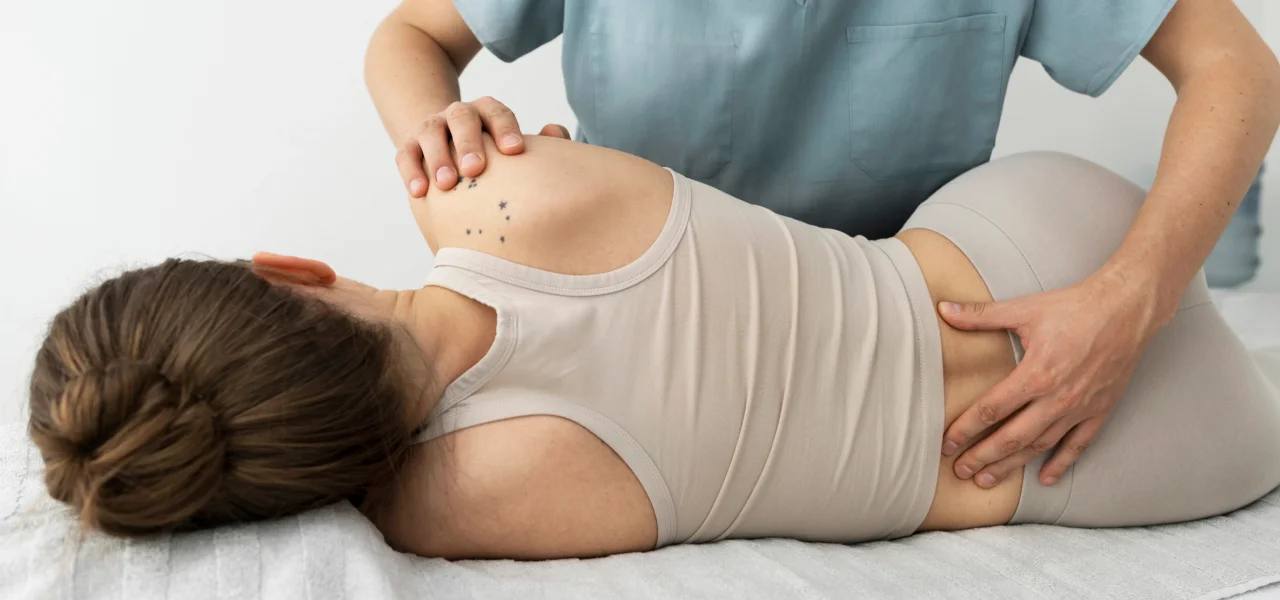
Structural Integration (SI), often referred to as Rolfing, is a holistic bodywork therapy that focuses on the fasciathe connective tissue that surrounds and supports muscles, bones, and organs. This therapy is particularly effective in improving postural alignment, restoring balance, and enhancing movement patterns, all of which are crucial for injury recovery and performance enhancement. SI helps release fascial restrictions, realign the body, and address muscle imbalances, which are often key contributors to injury or performance limitations. Whether you are recovering from an injury or seeking to optimize physical performance, Structural Integration offers significant benefits.
Heres how Structural Integration supports injury recovery and enhances performance:
1. Releasing Fascial Restrictions and Tension
Fascia is the connective tissue that holds everything in the body together. Over time, fascia can become tight, restricted, or misaligned due to injury, poor posture, or repetitive movement. These fascial restrictions can limit mobility, cause discomfort, and impede performance. Structural Integration uses myofascial release and deep tissue manipulation to address these restrictions, restoring flexibility and promoting recovery.
Myofascial release involves applying sustained pressure to tight areas of fascia, breaking up adhesions and releasing tension. This helps to restore elasticity in the fascia, allowing for greater mobility and flexibility.
Deep tissue techniques target deeper layers of the fascia and muscle tissue, releasing tightness and reducing inflammation. By increasing blood flow and releasing tension, SI accelerates the healing process and reduces the likelihood of future injury.
By addressing fascial restrictions, Structural Integration improves movement and flexibility, reducing pain and promoting faster recovery from injury.
2. Realigning the Body for Efficient Movement
Misalignments in the body, particularly in the spine and pelvis, can contribute to inefficient movement patterns, muscle imbalances, and increased risk of injury. Structural Integration focuses on realigning the body to ensure that the spine, pelvis, and joints are in optimal positions for movement.
Spinal manipulation helps restore the natural curves of the spine, reducing strain on muscles and nerves. A properly aligned spine improves posture and movement efficiency, reducing the risk of injury during physical activities.
Pelvic realignment is also important for balancing the bodys weight distribution. When the pelvis is misaligned, it can cause the muscles and joints to compensate, leading to discomfort and injury. SI helps realign the pelvis, which improves overall body alignment and function.
By improving alignment through SI, the body moves more efficiently, reducing strain on muscles and joints and enhancing performance.
3. Balancing Muscle Function and Preventing Injury
Muscle imbalances are a significant factor in both injury recovery and performance. When some muscles become overactive and tight, while others are weak or underactive, it can lead to inefficient movement and increased risk of injury. Structural Integration helps address these imbalances by targeting both tight and weak muscles, restoring balance to the muscular system.
Muscle energy techniques in SI involve gently contracting and relaxing specific muscle groups to stretch tight muscles and strengthen weak ones. This helps restore balance between opposing muscle groups, improving muscle coordination and movement efficiency.
Soft tissue manipulation helps release tension in overactive muscles, improving flexibility and reducing the risk of strain or injury. By balancing muscle function, SI ensures that muscles work together harmoniously, allowing for optimal performance and reduced injury risk.
By balancing muscle function, Structural Integration helps prevent injuries and enhances performance by allowing the muscles to support the body more effectively.
4. Enhancing Circulation and Tissue Healing
When recovering from an injury, adequate blood flow and circulation are essential for delivering oxygen and nutrients to the injured tissues and promoting healing. Structural Integration enhances circulation by releasing fascial restrictions and improving the function of muscles and joints.
Manual techniques such as myofascial release and joint mobilization help stimulate blood flow to the injured area, promoting tissue repair and reducing inflammation.
Lymphatic drainage techniques used in SI help clear waste products and toxins from the tissues, reducing swelling and inflammation. This promotes faster healing and improves overall tissue health.
By improving circulation and lymphatic flow, Structural Integration accelerates the healing process and reduces recovery time from injuries.
5. Improving Range of Motion and Flexibility
Injury recovery often involves restoring range of motion in the affected area, as stiffness and tightness can limit movement. Structural Integration focuses on restoring flexibility and joint mobility, which is essential for recovery and preventing future injuries.
Joint mobilization in SI helps improve the range of motion in restricted or stiff joints, such as the shoulders, hips, and knees. This is particularly important in injury recovery, as it allows the joints to move more freely without pain or discomfort.
Fascial release and muscle lengthening techniques restore the flexibility of the muscles and fascia, reducing tension and increasing the ability to move fully. Improved flexibility allows for more fluid movement, which is critical for rehabilitation and enhancing performance.
Restoring range of motion and flexibility through SI helps reduce muscle stiffness, promotes joint mobility, and supports performance by ensuring the body can move freely and efficiently.
6. Supporting Injury Recovery and Pain Relief
Chronic pain or lingering discomfort following an injury can slow down recovery and affect performance. Structural Integration helps address both the physical and structural aspects of pain, providing relief and promoting healing.
Spinal and joint manipulation help reduce pain by realigning the spine and joints, relieving pressure on nerves, muscles, and tissues. This can help alleviate pain in areas affected by an injury, such as the back, neck, shoulders, or legs.
Soft tissue therapy helps to release tension in muscles and fascia, which can reduce pain and inflammation. By restoring normal movement and function, SI accelerates the healing process and reduces discomfort.
By reducing pain and improving movement, Structural Integration enhances the recovery process, allowing individuals to return to their active lifestyles and perform at their best.
7. Improving Postural Alignment for Enhanced Performance
Good posture is critical for optimal performance in any physical activity. Misalignments can lead to inefficient movement patterns, excessive strain on muscles, and an increased risk of injury. Structural Integration improves postural alignment, which enhances overall performance and reduces the risk of injury.
Spinal realignment and pelvic balancing help ensure that the body is positioned correctly for efficient movement. Proper alignment allows for better coordination, balance, and strength during physical activities.
Postural education is often included in SI treatments to help individuals maintain proper posture during daily activities and exercise, reducing the risk of strain and improving overall performance.
Improved postural alignment through SI enhances movement efficiency, strength, and overall performance, leading to better results and reduced injury risk.
8. Enhancing Long-Term Performance and Resilience
Structural Integration is not just about recovering from an injury but also about improving long-term performance and resilience. Regular treatments can help maintain proper alignment, muscle balance, and joint mobility, ensuring that the body remains strong and flexible for future physical activities.
Ongoing SI sessions help prevent the development of future injuries by addressing any imbalances or misalignments early on. This ensures that the body moves efficiently and without unnecessary strain.
Body awareness gained from SI treatments allows individuals to recognize poor movement patterns and make adjustments, reducing the risk of injury and improving overall performance in sports or other physical activities.
By supporting long-term resilience and performance, Structural Integration ensures that individuals remain active and injury-free over time.
Conclusion: Structural Integration for Injury Recovery and Performance Enhancement
Structural Integration is a powerful tool for both injury recovery and performance enhancement. Through techniques such as myofascial release, joint mobilization, spinal manipulation, and postural education, SI helps individuals recover from injuries, improve flexibility, restore muscle function, and prevent future injuries. By addressing fascial restrictions, muscle imbalances, and poor alignment, SI optimizes the bodys ability to move efficiently and perform at its best