How Structural Integration Supports Postural Health and Pain Prevention explores targeted strategies for recovery. Discover new paths to mobility, healing, and personalized care.

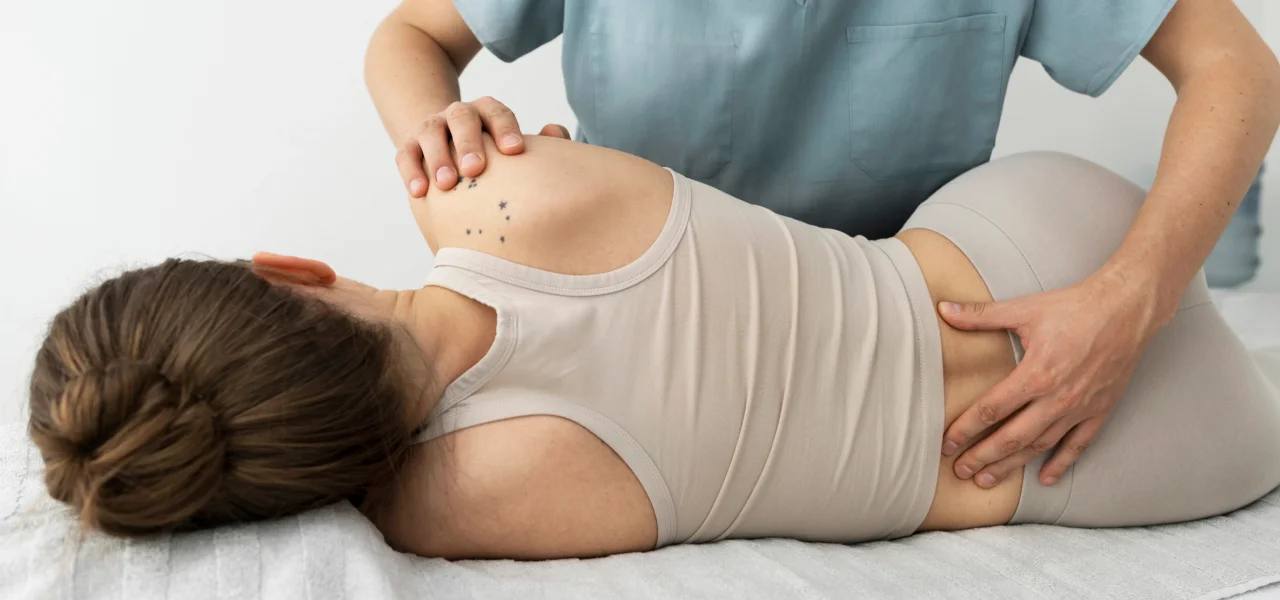
Structural Integration (SI), often referred to as Rolfing, is a therapeutic method that focuses on improving body alignment by working with the fascia, the connective tissue that surrounds muscles, bones, and organs. This hands-on treatment aims to release tension, realign the body, and restore balance, which is essential for maintaining proper posture. Postural health plays a crucial role in preventing pain, as poor posture can lead to muscle strain, joint dysfunction, and discomfort over time. Structural Integration helps to correct misalignments, improve flexibility, and reduce tension, which in turn supports postural health and reduces the risk of pain.
Heres how Structural Integration supports postural health and pain prevention:
1. Restoring Alignment and Postural Balance
Proper alignment is fundamental to postural health. Misalignments in the spine, pelvis, or joints can lead to imbalances in the body, resulting in tension, pain, and discomfort. Structural Integration works to realign the bodys structure by addressing these misalignments, ensuring that the spine, pelvis, and joints are positioned optimally.
Spinal manipulation and joint mobilization are techniques used in SI to restore natural curvature and alignment to the spine and joints. Misalignments in the spine can cause poor posture, muscle strain, and discomfort. SI corrects these misalignments, reducing strain on muscles and ligaments.
Pelvic realignment plays an important role in SI, as the pelvis is central to the bodys overall alignment. When the pelvis is tilted or misaligned, it can affect posture, causing strain on the lower back, hips, and knees. SI works to restore the pelvis to its proper position, which helps improve overall posture and reduces discomfort.
By restoring alignment and ensuring the proper positioning of the spine and pelvis, SI promotes better posture and reduces the risk of pain caused by misalignment.
2. Releasing Fascial Restrictions and Muscle Tension
Fascia is a connective tissue that envelops the muscles and organs, providing structural support. However, tight or restricted fascia can affect movement and contribute to poor posture and pain. Structural Integration targets fascial restrictions to release tension and improve flexibility, which supports better posture and reduces the risk of injury.
Myofascial release is a core technique in SI, which involves applying sustained pressure to restricted areas of fascia. By breaking up adhesions and releasing tension, SI restores the flexibility and elasticity of the fascia, allowing for smoother movement and reducing the stiffness that contributes to poor posture.
Soft tissue manipulation helps relax overactive muscles, reducing muscle tension and stiffness. Tension in the muscles can pull the body out of alignment, contributing to poor posture and pain. SI helps to release this tension, improving muscle function and flexibility.
By releasing fascial restrictions and reducing muscle tension, Structural Integration promotes more fluid movement, enhances flexibility, and helps maintain postural health, reducing the risk of pain.
3. Balancing Muscle Function
When certain muscles become tight or overactive while others become weak or underactive, muscle imbalances can occur. These imbalances can distort posture, placing unnecessary stress on muscles, joints, and ligaments. Structural Integration works to balance muscle function by releasing tight muscles and strengthening weaker ones.
Muscle energy techniques are used in SI to restore balance by gently contracting and stretching muscles. Tight muscles are stretched, and weaker muscles are activated, helping to restore equilibrium and improve overall muscle function.
Strengthening exercises may also be incorporated to strengthen underactive muscles, particularly those that support the spine, pelvis, and core. Strengthening these muscles helps to stabilize the body and support proper posture, reducing the likelihood of injury and discomfort.
By balancing muscle function, SI ensures that muscles work together harmoniously to support posture and joint alignment, preventing muscle strain and postural-related pain.
4. Improving Joint Mobility and Flexibility
Joint stiffness and limited flexibility can affect posture, leading to pain and restricted movement. Structural Integration helps improve joint mobility and overall flexibility, which is crucial for maintaining proper posture and preventing pain.
Joint mobilization techniques in SI help increase the mobility of restricted or stiff joints, particularly in areas like the shoulders, hips, and spine. This enhances the natural movement of the body, reducing the risk of pain caused by stiff, immobile joints.
Stretching techniques and myofascial release help lengthen tight muscles and fascia, improving their flexibility. This allows for a more fluid, efficient range of motion, reducing the likelihood of muscle strain, joint discomfort, and postural misalignment.
By improving joint mobility and flexibility, Structural Integration supports more efficient movement, helping to maintain postural alignment and prevent pain from restricted movement.
5. Promoting Body Awareness and Alignment
Many people develop poor movement habits over time, such as slouching, leaning forward, or compensating for pain. These habits contribute to postural problems and discomfort. Structural Integration helps improve body awareness and teaches individuals how to move more efficiently, which helps prevent future pain and postural issues.
Postural education is a key component of SI. Osteopaths and practitioners guide individuals on how to maintain a neutral spine, proper body mechanics, and healthy movement habits throughout daily activities, such as sitting, standing, and lifting. By improving awareness of posture, SI helps individuals avoid positions that may cause strain and discomfort.
Movement retraining helps individuals recognize poor movement patterns and make adjustments. This is especially helpful for individuals who may have developed inefficient or harmful movement habits due to pain or injury.
By improving body awareness and movement patterns, SI helps individuals develop better postural habits and reduce the risk of future musculoskeletal pain.
6. Preventing Future Pain and Injury
One of the key benefits of Structural Integration is its preventive nature. Rather than simply addressing existing pain, SI works to maintain structural balance and improve movement efficiency, which reduces the risk of developing chronic pain or new injuries.
Regular SI treatments help identify and address misalignments, muscle imbalances, or movement inefficiencies before they develop into more serious issues. This proactive approach ensures that the body remains balanced, resilient, and less prone to injury or discomfort.
Postural correction and movement education ensure that individuals are equipped with the tools to maintain proper alignment and prevent strain on the body. This reduces the likelihood of future injuries and supports long-term postural health.
By focusing on prevention, Structural Integration helps individuals maintain healthy posture, reduce the risk of injury, and enhance overall functional movement.
7. Supporting Long-Term Wellness
Structural Integration is not just about treating existing pain, but about fostering long-term wellness. Regular SI sessions help ensure that the body remains aligned, flexible, and strong over time, promoting ongoing musculoskeletal health.
Ongoing care through Structural Integration helps individuals maintain proper alignment, balance muscle function, and improve flexibility. This reduces the likelihood of developing chronic conditions like arthritis, muscle tension, or degenerative joint disease.
SI also promotes a sense of overall well-being by improving posture, reducing pain, and enhancing body function, ensuring that individuals remain active and healthy throughout their lives.
By supporting long-term wellness, Structural Integration promotes healthy movement, proper alignment, and a pain-free lifestyle for years to come.
Conclusion: Structural Integration for Postural Health and Pain Prevention
Structural Integration is a powerful tool for improving postural health and preventing pain. Through techniques like myofascial release, spinal manipulation, joint mobilization, and postural education, SI helps restore alignment, release tension, and improve movement efficiency. By addressing the root causes of musculoskeletal imbalances and improving body function, Structural Integration promotes long-term wellness and reduces the risk of pain and injury.