How Osteopathy Helps with Postural Imbalances and Physical Health explores targeted strategies for recovery. Discover new paths to mobility, healing, and personalized care.

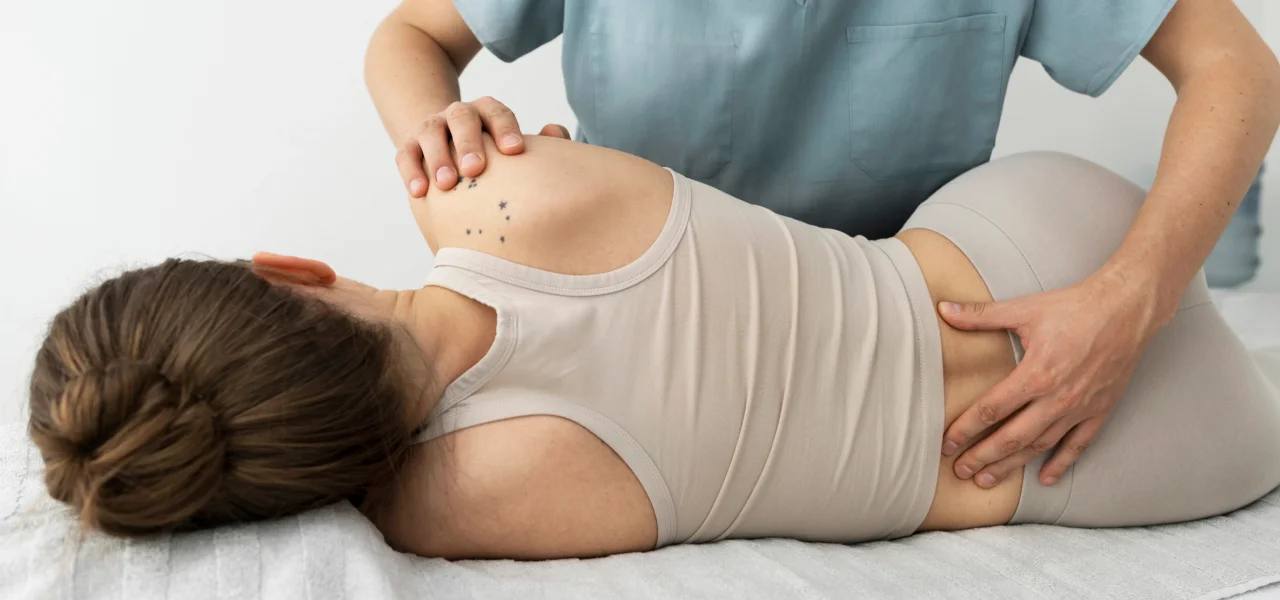
Osteopathy is a holistic approach to healthcare that focuses on the musculoskeletal system and its interrelationship with the body’s overall health. Poor posture and postural imbalances are common issues that can lead to chronic pain, discomfort, and reduced physical health. Misalignments in the spine, pelvis, and other joints can cause muscular tension, affect nerve function, and lead to inefficient movement patterns. Osteopathic treatment aims to correct these imbalances, improve posture, and promote optimal physical health.
Heres how osteopathy helps with postural imbalances and physical health:
1. Correcting Spinal Misalignments and Improving Posture
The spine plays a central role in maintaining proper posture. When misalignments or subluxations occur in the spine, they can lead to poor posture, muscle strain, and nerve compression. Osteopathy helps restore spinal alignment, which is crucial for maintaining good posture and overall body function.
Spinal manipulation is one of the key techniques in osteopathy. Osteopaths use gentle adjustments to realign the spine, restoring its natural curves and reducing pressure on the nervous system. This helps alleviate discomfort caused by poor posture and ensures that the body moves efficiently.
Postural education is another important aspect of osteopathic care. Osteopaths guide individuals on how to maintain proper posture during daily activities such as sitting, standing, and walking. Correct posture not only reduces muscle strain but also prevents long-term musculoskeletal issues.
By correcting spinal misalignments and improving posture, osteopathy helps reduce muscle strain, joint stress, and discomfort, leading to better physical health.
2. Addressing Pelvic Imbalances and Postural Alignment
The pelvis plays a crucial role in maintaining the bodys balance and posture. Misalignments in the pelvis can affect the entire bodys posture, leading to pain in the lower back, hips, knees, and feet. Osteopathy helps correct pelvic imbalances to restore balance and reduce strain on surrounding muscles and joints.
Pelvic realignment involves gentle manipulation to restore the pelvis to its proper position. When the pelvis is out of alignment, it can cause misalignments in the spine and lead to inefficient movement patterns. By addressing this imbalance, osteopathy improves overall postural health and reduces the risk of injury.
Hip and lower back mobility are also important for postural health. Osteopaths use joint mobilization and soft tissue manipulation to improve mobility in the hips and lower back, ensuring that the body remains aligned and functions smoothly.
By restoring pelvic alignment, osteopathy enhances postural balance and reduces the likelihood of musculoskeletal pain and discomfort.
3. Relieving Muscle Tension and Improving Flexibility
Postural imbalances often result in muscle tension and tightness. When certain muscles become overactive or tight, while others become weak or underactive, it can lead to muscle strain, discomfort, and poor posture. Osteopathy works to release muscle tension and improve flexibility, helping to restore balance and improve posture.
Myofascial release is a technique used in osteopathy to release tight muscles and fascia (the connective tissue surrounding muscles). This technique improves muscle flexibility, reduces muscle stiffness, and enhances the range of motion, which helps improve posture and body alignment.
Soft tissue manipulation works to relax overactive muscles, reducing the strain on the body and allowing for better movement. By improving muscle balance and flexibility, osteopathy helps restore proper alignment and reduces discomfort caused by muscle tension.
By releasing muscle tension and improving flexibility, osteopathy supports postural correction and reduces the risk of injury and chronic pain.
4. Enhancing Joint Mobility and Function
Joint stiffness or misalignment can contribute to poor posture and restricted movement. Osteopathy helps to improve joint mobility and function, which is essential for maintaining healthy posture and preventing pain.
Joint mobilization techniques in osteopathy help restore movement to stiff or restricted joints, particularly in the spine, hips, shoulders, and knees. Restoring joint mobility allows for more fluid movement and reduces the likelihood of joint strain and discomfort.
Spinal manipulation also improves the function of the vertebrae, helping the body maintain proper alignment and mobility. As the joints move more freely, it becomes easier to maintain good posture and avoid muscle strain.
By improving joint mobility, osteopathy promotes better movement patterns, reduces the risk of injury, and supports postural health.
5. Supporting the Bodys Natural Healing and Recovery
Postural imbalances can place stress on muscles, ligaments, and joints, leading to discomfort and pain. Osteopathy enhances the bodys natural healing abilities by improving alignment, reducing tension, and supporting the recovery process.
Cranial-sacral therapy is a gentle osteopathic technique used to release tension in the head, neck, and spine. By promoting relaxation and improving the flow of cerebrospinal fluid, this technique supports the bodys healing processes and reduces the discomfort caused by postural imbalances.
Manual therapy and movement re-education help improve body mechanics and reduce the strain placed on muscles and joints, allowing the body to recover more quickly from postural issues and injuries.
By supporting healing and recovery, osteopathy helps prevent long-term damage and improves overall postural health.
6. Preventing Future Postural Issues and Injury
One of the key benefits of osteopathy is its focus on preventing future issues. While osteopathy provides effective relief for existing pain, it also works to prevent postural imbalances and musculoskeletal injuries in the future.
Postural training teaches individuals how to maintain proper posture during daily activities, such as sitting at a desk, standing, and lifting objects. This prevents strain on the muscles, joints, and spine, reducing the risk of postural issues and injury.
Movement education helps individuals develop more efficient movement patterns. By learning how to move correctly, individuals can avoid unnecessary stress on their body and prevent future musculoskeletal problems.
By focusing on prevention, osteopathy ensures that the body remains in optimal condition, reducing the likelihood of developing chronic pain or postural dysfunction.
7. Enhancing Overall Physical Health and Function
Good posture is integral to overall physical health. When the body is properly aligned, it can function more efficiently, reducing the strain on muscles, joints, and ligaments. Osteopathy helps improve physical function by restoring proper alignment and movement patterns, which supports long-term health.
Postural improvements from osteopathy lead to better movement efficiency, improved circulation, and enhanced muscle function, which are all essential for maintaining overall physical health.
Joint and muscle health are promoted through osteopathic treatments, which help keep the body strong, flexible, and resilient. By addressing misalignments and muscle imbalances, osteopathy improves overall body function and quality of life.
By improving postural health, osteopathy contributes to long-term physical well-being, helping individuals maintain an active, pain-free lifestyle.
Conclusion: Osteopathy for Postural Imbalances and Physical Health
Osteopathy offers a comprehensive approach to postural health and physical well-being by focusing on the musculoskeletal systems alignment, mobility, and function. Through techniques such as spinal manipulation, muscle release, joint mobilization, and postural education, osteopathy helps correct postural imbalances, reduce pain, and improve overall body function.