How Structural Integration Supports Healthy Movement and Injury Prevention explores targeted strategies for recovery. Discover new paths to mobility, healing, and personalized care.

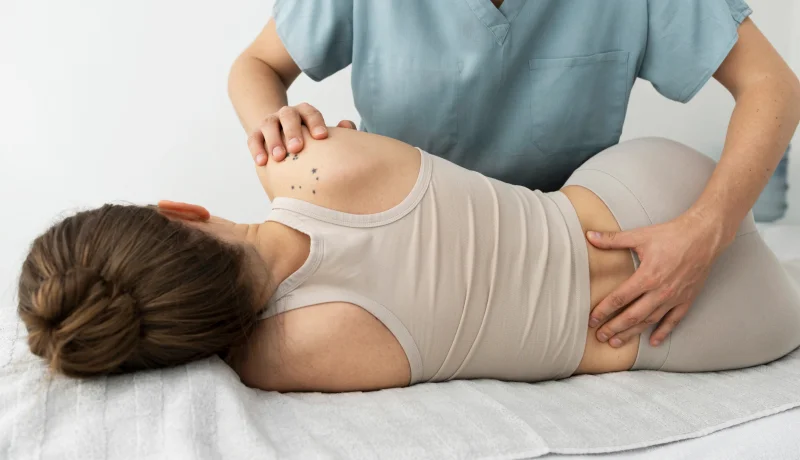
Structural Integration (SI), commonly known as Rolfing, is a hands-on therapeutic approach that focuses on the fascial system, the connective tissue that surrounds and supports muscles, joints, and organs. SI aims to improve the bodys alignment, posture, and movement patterns by addressing fascial restrictions, muscle imbalances, and misalignments. This holistic approach is not only effective in relieving pain but also plays a critical role in promoting healthy movement and preventing injuries.
Heres how Structural Integration supports healthy movement and injury prevention:
1. Restoring Proper Alignment
Proper alignment is crucial for efficient movement and injury prevention. When the body is misaligneddue to poor posture, previous injuries, or repetitive strainit can cause uneven stress on muscles, joints, and fascia, leading to tension and discomfort. Structural Integration works to restore proper alignment, ensuring that the body moves in a balanced, efficient way.
Spinal manipulation is one of the key techniques used in SI to realign the spine. Misalignments in the spine can lead to muscle strain, nerve compression, and inefficient movement. By realigning the spine, SI restores optimal posture and reduces the strain on muscles and joints.
Pelvic and joint realignment also play an important role in improving body posture and balance. Misalignments in the pelvis or other joints can lead to improper movement patterns that contribute to injury. SI restores alignment, which enhances overall body function and prevents future discomfort or injury.
By restoring alignment, SI helps promote healthy movement, improving the efficiency of movement patterns and reducing the risk of injury.
2. Releasing Fascial Restrictions
Fascia, the connective tissue that envelops muscles, organs, and joints, plays a significant role in movement and flexibility. When fascia becomes restricted due to poor posture, injury, or overuse, it can lead to stiffness, pain, and limited mobility. Structural Integration focuses on releasing fascial restrictions to restore flexibility and improve movement.
Myofascial release is a core technique used in SI. It involves applying sustained pressure to tight areas of fascia, helping to break up adhesions and release tension. This process improves the elasticity of the fascia, allowing muscles and joints to move more freely and efficiently.
Deep tissue manipulation targets both muscles and fascia to release chronic tension and improve movement. As the fascia and muscles become more flexible, the bodys overall mobility and movement efficiency improve.
By releasing fascial restrictions, SI enhances flexibility, reduces stiffness, and allows for more fluid movement, which is essential for preventing injuries caused by limited mobility or inefficient movement patterns.
3. Improving Posture and Body Mechanics
Posture plays a critical role in maintaining healthy movement and preventing injury. Poor posture can lead to muscle imbalances, joint strain, and inefficient movement, all of which increase the risk of injury. Structural Integration helps to correct posture and improve body mechanics, ensuring that the body moves optimally.
Postural correction is a key component of SI. Practitioners evaluate and correct misalignments in the bodys posture, particularly in the spine, pelvis, and shoulders. This helps distribute weight evenly across the body, reducing strain on muscles and joints, and promoting optimal movement.
Movement education is also an essential part of SI. Osteopaths teach individuals how to move efficiently and safely, whether they are sitting, standing, or lifting. By improving body mechanics, SI helps reduce the risk of injury from repetitive strain, improper posture, or overuse.
By improving posture and body mechanics, SI promotes healthy movement and prevents injuries caused by inefficient movement patterns.
4. Balancing Muscle Function
Muscle imbalances are a common cause of poor movement patterns and increased risk of injury. When certain muscles become tight or overactive while others are weak or underactive, it can lead to compensatory movements that place strain on other areas of the body. Structural Integration helps balance muscle function, which is essential for efficient and injury-free movement.
Muscle energy techniques in SI involve gently contracting and stretching muscles to restore balance between tight and weak muscle groups. This reduces the strain on overactive muscles and strengthens underactive muscles, ensuring that all muscle groups work together efficiently.
Soft tissue manipulation helps release tension in tight muscles and fascia, improving flexibility and muscle coordination. This ensures that muscles perform optimally during movement, reducing the likelihood of injury caused by overuse or muscle imbalance.
By balancing muscle function, SI promotes efficiency in movement and reduces the strain on muscles and joints, ultimately preventing musculoskeletal injuries.
5. Increasing Joint Mobility and Flexibility
Limited joint mobility can lead to stiffness and discomfort, as well as an increased risk of injury. Structural Integration focuses on improving joint mobility by addressing fascial restrictions and muscle tightness that limit movement. This enhances overall flexibility and range of motion, which is essential for both performance and injury prevention.
Joint mobilization techniques in SI help restore movement to stiff or restricted joints. This is especially helpful for areas like the hips, shoulders, and spine, where stiffness can limit movement and cause pain.
Myofascial release also targets the fascia around the joints, helping to restore flexibility and mobility. By reducing stiffness in the muscles and fascia, SI improves joint function and ensures that the body can move freely without discomfort.
By increasing joint mobility and flexibility, Structural Integration supports efficient movement, reduces the risk of joint-related injuries, and promotes long-term physical health.
6. Enhancing Overall Body Awareness
Body awareness is essential for maintaining healthy movement patterns and preventing injury. When individuals are unaware of how their bodies move, they are more likely to adopt poor posture or inefficient movement strategies that increase the risk of injury. Structural Integration helps improve body awareness, teaching individuals how to move more consciously and effectively.
Postural education and movement retraining in SI help individuals become more aware of their bodys alignment and movement patterns. This awareness allows them to make adjustments that reduce strain on muscles and joints, ultimately preventing injury.
Functional movement training in SI helps individuals move in ways that support proper alignment and reduce the risk of injury. By developing better body awareness, individuals can avoid positions that put unnecessary strain on their muscles and joints.
By improving body awareness, Structural Integration ensures that individuals use their bodies more efficiently, reducing the risk of injury caused by poor movement habits.
7. Preventing Repetitive Stress Injuries
Repetitive stress injuries occur when the same muscle groups or joints are used repeatedly in an inefficient manner, leading to overuse and injury. Structural Integration helps prevent repetitive stress injuries by improving posture, enhancing muscle coordination, and restoring optimal movement patterns.
Movement education teaches individuals how to perform repetitive tasks, such as typing or lifting, with proper technique and body mechanics. This reduces the strain on specific muscle groups and joints, preventing injury over time.
Postural correction ensures that the body remains properly aligned during daily activities, reducing the risk of developing repetitive stress injuries due to poor posture or movement patterns.
By improving movement efficiency and postural alignment, Structural Integration reduces the risk of repetitive stress injuries, ensuring the body can perform tasks without overloading certain muscles or joints.
8. Supporting Long-Term Physical Health and Performance
Structural Integration provides long-term benefits for physical health by addressing the underlying causes of musculoskeletal dysfunction and supporting ongoing movement efficiency. Regular SI sessions help individuals maintain optimal alignment, flexibility, and strength, which are essential for sustaining physical health and performance.
Ongoing care through Structural Integration helps ensure that the body remains aligned and balanced, reducing the likelihood of developing chronic pain, joint dysfunction, or other musculoskeletal issues.
Performance enhancement is another benefit of SI. Improved alignment, mobility, and muscle function contribute to better athletic performance, whether in sports or other physical activities.
By focusing on long-term wellness, Structural Integration promotes sustainable health and performance, helping individuals remain injury-free and active throughout their lives.
Conclusion: Structural Integration for Healthy Movement and Injury Prevention
Structural Integration is a powerful tool for promoting healthy movement and preventing injury. By addressing fascial restrictions, restoring alignment, balancing muscle function, and improving joint mobility, SI ensures that the body moves efficiently and without strain. Through techniques like myofascial release, spinal manipulation, joint mobilization, and postural correction, SI helps improve movement patterns, reduce pain, and enhance overall musculoskeletal health.