How Structural Integration Supports Pain-Free Movement and Optimal Health explores targeted strategies for recovery. Discover new paths to mobility, healing, and personalized care.

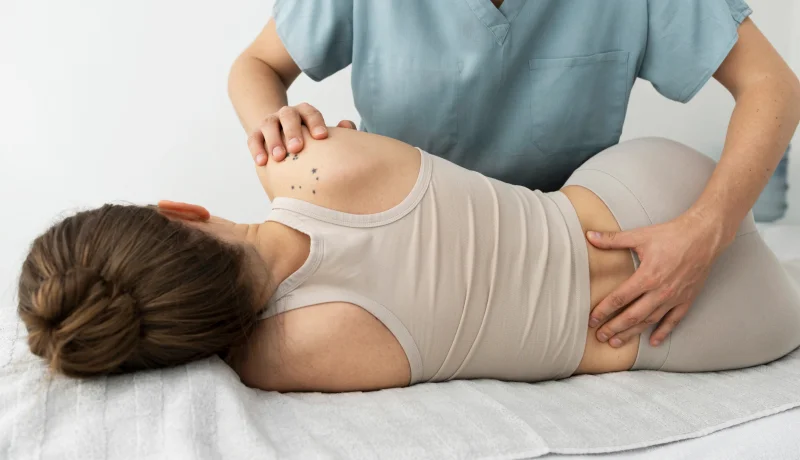
Structural Integration (SI), also known as Rolfing, is a therapeutic approach that focuses on the fascial systemthe connective tissue that surrounds muscles, organs, and jointsproviding support, structure, and flexibility to the body. This hands-on therapy aims to improve the body’s alignment, posture, and movement by addressing fascial restrictions, muscle imbalances, and postural misalignments. By restoring balance and improving the bodys natural movement patterns, Structural Integration helps individuals achieve pain-free movement and supports optimal health.
Heres how Structural Integration supports pain-free movement and optimal health:
1. Releasing Fascial Restrictions for Greater Mobility
The fascia is a dense, fibrous tissue that plays a crucial role in how the body moves. When the fascia becomes restricted due to injury, poor posture, or repetitive movements, it can limit mobility, cause pain, and restrict movement. Structural Integration focuses on releasing fascial restrictions, allowing for pain-free movement.
Myofascial release is one of the primary techniques used in SI. It involves applying sustained pressure to tight areas of fascia to break up adhesions and restore the natural elasticity of the tissue. This reduces stiffness, improves flexibility, and restores free movement to muscles and joints.
Deep tissue manipulation is used to release chronic tension in muscles and fascia. By relaxing the tight tissues, SI helps the body move more freely, reducing pain and improving range of motion.
By releasing fascial restrictions, SI allows for greater flexibility and mobility, leading to pain-free movement and better overall body function.
2. Restoring Postural Alignment and Preventing Strain
Poor posture is one of the leading causes of musculoskeletal pain, particularly in the back, neck, and shoulders. When the spine, pelvis, or joints are misaligned, it places strain on muscles and tissues, leading to discomfort and limited movement. Structural Integration helps restore proper postural alignment, which is crucial for pain-free movement.
Spinal manipulation in SI realigns the vertebrae, restoring the natural curvature of the spine and reducing the strain on surrounding muscles and ligaments. This enhances the efficiency of movement and alleviates discomfort caused by poor posture.
Pelvic realignment is another focus of SI. Misalignments in the pelvis can affect posture and lead to tension in the lower back, hips, and legs. By restoring pelvic balance, SI helps improve overall posture, reducing the risk of pain and injury.
By improving postural alignment, SI reduces the strain on muscles, joints, and ligaments, leading to pain-free movement and helping to prevent future discomfort.
3. Balancing Muscle Function and Improving Strength
Muscle imbalances are a common cause of pain and restricted movement. When some muscles become tight or overactive while others become weak or underactive, it can result in poor posture, inefficient movement, and pain. Structural Integration helps balance muscle function and improve overall muscle coordination.
Muscle energy techniques used in SI involve gentle stretching and muscle contraction to release tight muscles and strengthen weaker ones. This restores balance between muscle groups, improving muscle function and supporting proper posture and movement.
Soft tissue manipulation helps release muscle tension and relax overactive muscles. This enhances muscle flexibility, reduces strain on the body, and improves overall strength and function.
By balancing muscle function, SI helps reduce muscle tightness, prevent strain, and improve both strength and mobility, supporting pain-free movement.
4. Enhancing Joint Mobility and Flexibility
Joint stiffness is a common issue that restricts movement and contributes to pain. When joints are stiff or misaligned, it can lead to discomfort in the surrounding muscles and tissues. Structural Integration helps restore joint mobility and flexibility, ensuring that the body moves freely and efficiently.
Joint mobilization techniques in SI work to improve the range of motion in restricted or stiff joints. By gently applying pressure and manipulating the joints, SI helps reduce stiffness and improve joint flexibility, leading to more fluid and pain-free movement.
Myofascial release is also used around the joints to target the fascia and release any restrictions that may limit movement. This improves joint function, restores flexibility, and alleviates discomfort caused by restricted joint movement.
By improving joint mobility and flexibility, Structural Integration ensures that the body moves more fluidly and pain-free, enhancing overall movement efficiency.
5. Supporting the Nervous System and Pain Control
Chronic pain often stems from dysfunction in the nervous system, where pain signals are either amplified or misinterpreted. Osteopathic techniques in Structural Integration help modulate the nervous systems response to pain, improving the bodys overall response to discomfort.
Cranial-sacral therapy is a gentle technique used in SI to release tension in the head, neck, and spine. This helps improve the flow of cerebrospinal fluid, reduce nerve compression, and calm the nervous system, which reduces the intensity of pain signals.
Spinal adjustments improve nerve function by restoring proper alignment in the spine. This enhances communication between the brain, muscles, and organs, helping to regulate the bodys response to pain.
By supporting the nervous system and modulating its response to pain, SI helps reduce pain sensitivity, improving pain-free movement and overall body function.
6. Improving Circulation and Promoting Healing
Proper circulation is essential for tissue health, muscle recovery, and pain relief. When circulation is restricted, tissues may not receive the nutrients and oxygen they need to heal and function properly. Structural Integration helps improve circulation, supporting the bodys natural healing processes.
Lymphatic drainage is an osteopathic technique that improves fluid movement through the body, helping to remove waste products and reduce swelling. This reduces inflammation and promotes tissue healing, leading to pain relief.
Manual therapy techniques, such as myofascial release and deep tissue manipulation, stimulate blood flow to muscles and joints, supporting healing and reducing discomfort caused by stagnation or poor circulation.
By improving circulation, Structural Integration helps speed up the bodys healing process, reducing pain and promoting long-term health and recovery.
7. Preventing Future Injury and Supporting Long-Term Health
In addition to providing relief from existing pain, Structural Integration focuses on preventing future injury by improving posture, movement patterns, and muscle balance. By ensuring that the body is aligned and moving efficiently, SI helps prevent discomfort from recurring.
Postural correction ensures that the body moves in ways that reduce stress on muscles, joints, and ligaments. By improving posture and body mechanics, SI reduces the risk of repetitive strain injuries, overuse, and misalignments.
Movement re-education teaches individuals how to use their bodies effectively and safely during daily activities, exercise, and physical tasks. This reduces the likelihood of injury and helps maintain long-term health.
By focusing on prevention, Structural Integration ensures that the body remains aligned, balanced, and resilient, reducing the risk of injury and promoting long-term pain-free movement.
8. Enhancing Overall Well-Being
Chronic pain not only affects the physical body but also impacts mental and emotional health. Structural Integration promotes overall well-being by reducing pain, improving movement, and enhancing the bodys ability to heal naturally.
Relaxation techniques used in SI help reduce stress and tension, promoting both physical and emotional relaxation. This reduces the mental burden of chronic pain and enhances overall quality of life.
Holistic care ensures that the bodys various systemsmusculoskeletal, circulatory, nervouswork together in harmony, improving overall health and preventing future pain.
By improving overall health, well-being, and pain-free movement, Structural Integration helps individuals feel more balanced, relaxed, and capable of performing daily activities with greater ease and comfort.
Conclusion: Structural Integration for Pain-Free Movement and Optimal Health
Structural Integration is an effective therapy for promoting pain-free movement and supporting optimal health. By focusing on fascial release, spinal alignment, muscle balance, and joint mobility, SI restores the bodys natural movement patterns, reduces pain, and promotes overall well-being. Through techniques such as myofascial release, spinal manipulation, joint mobilization, and postural correction, Structural Integration helps individuals achieve greater flexibility, strength, and functional movement, leading to pain-free movement and long-term health.