How Homeopathy Complements Physiotherapy for Modern Wellness explores targeted strategies for recovery. Discover new paths to mobility, healing, and personalized care.

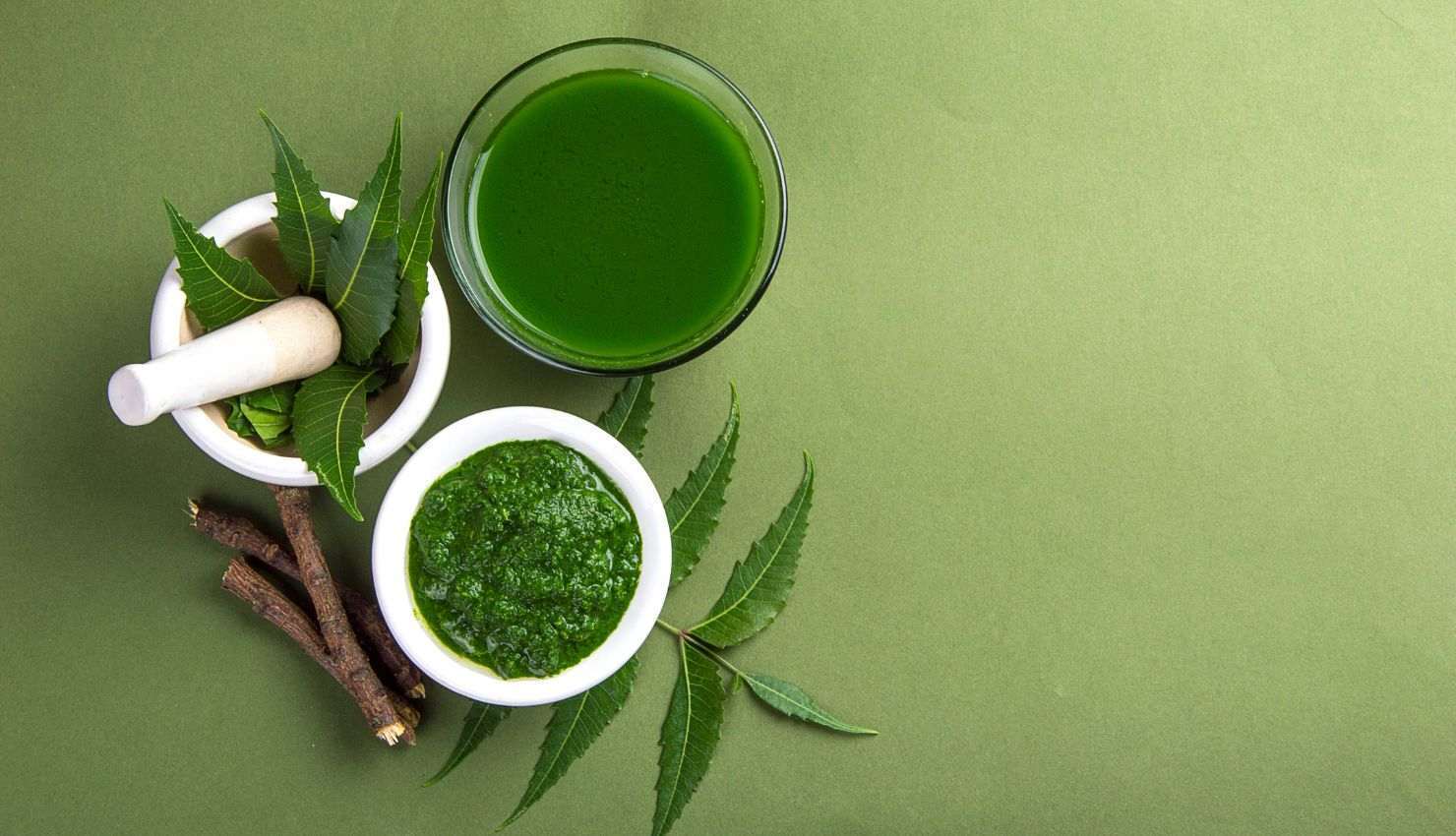
In todays evolving landscape of health and wellness, many individuals are seeking holistic approaches that address both the symptoms and the root causes of physical dysfunction. Two complementary modalitieshomeopathy and physiotherapyare increasingly being integrated into personalized wellness plans. When combined thoughtfully, these practices can support long-term healing, accelerate recovery, and enhance overall quality of life.
At YourFormSux (YFS), we believe in treating the whole person. Understanding how homeopathy complements physiotherapy is essential for those looking to achieve modern wellness through natural, effective, and personalized care.
Understanding the Core Principles of Homeopathy and Physiotherapy
Physiotherapy focuses on restoring and maintaining physical function, mobility, and strength. Whether you’re recovering from an injury, managing a chronic condition, or improving postural alignment, physiotherapy uses evidence-based techniques such as manual therapy, movement exercises, dry needling, and muscle re-education to support your physical health.
Homeopathy, on the other hand, is a gentle system of natural medicine based on the principle of “like cures like.” It uses highly diluted natural substances to stimulate the body’s self-healing abilities. Homeopathy is non-invasive, free from chemical side effects, and ideal for addressing chronic issues, emotional imbalances, and systemic patterns that might be contributing to physical symptoms.
When these two systems of care are integrated, patients can experience a deeper level of healing that addresses both physical symptoms and underlying energetic imbalances.
Holistic Synergy: The Benefits of Combining Homeopathy with Physiotherapy
1. Enhanced Pain Relief Without Dependency
Pain is often the most immediate concern for individuals seeking physiotherapy. While manual therapy and targeted movement exercises are effective, pain relief can take time depending on the severity and cause.
Homeopathy can provide additional support by targeting inflammation, nerve sensitivity, or emotional stress contributing to pain. Remedies like Arnica, Rhus tox, and Hypericum are frequently used to assist with acute injuries, nerve pain, and muscular soreness, allowing physiotherapy to work more efficiently.
This dual approach to pain management can reduce the need for pharmaceuticals, minimize side effects, and provide consistent relief during the healing process.
2. Supporting Injury Recovery and Tissue Healing
Whether you’re recovering from a sprain, surgery, or repetitive strain injury, the bodys repair mechanisms need both physical support and systemic balance.
Physiotherapy helps mobilize joints, strengthen weakened areas, and improve biomechanics, while homeopathy works on stimulating cellular repair, reducing swelling, and accelerating tissue regeneration. For instance, Ruta graveolens and Symphytum officinale are often used in homeopathy to promote ligament, tendon, and bone healing.
This complementary strategy ensures that recovery is not only faster but also more completereducing the risk of relapse or incomplete healing.
3. Managing Stress and Emotional Contributors to Physical Dysfunction
Physical health is intricately linked to mental and emotional well-being. Chronic pain, tension, or postural imbalances often have an emotional component, such as unresolved stress, trauma, or anxiety.
Physiotherapy focuses on functional restoration and physical balance, while homeopathy addresses emotional blockages, chronic stress, and nervous system dysregulation. Remedies like Ignatia, Gelsemium, and Natrum muriaticum are tailored to each individuals emotional profile and stress response.
By addressing emotional and psychological contributors alongside physical symptoms, the path to recovery becomes more comprehensive and sustainable.
4. Customized Wellness Plans for Chronic Conditions
Individuals with chronic conditionslike fibromyalgia, arthritis, pelvic floor dysfunction, or postural misalignmentoften benefit most from a personalized, long-term care plan. Neither physiotherapy nor homeopathy alone may offer complete relief, but together they provide a robust framework for healing.
Physiotherapists at YFS develop custom movement programs, postural correction strategies, and manual therapies, while homeopaths assess underlying patterns that contribute to chronic pain, stiffness, or fatigue. This integrative model ensures that both the symptoms and root causes are addressed over time, enhancing the likelihood of lasting results.
5. Minimizing Setbacks and Preventing Re-injury
Injury prevention and long-term wellness are core goals of any physiotherapy program. However, setbacks often occur due to lifestyle stressors, immune weakness, or systemic imbalances that remain unresolved.
Homeopathy can help by supporting immune function, energy regulation, and overall vitality, which are crucial for recovery and performance. For individuals returning to sports, dealing with postpartum changes, or managing age-related decline, this proactive combination can help maintain results and avoid future disruptions.
The Modern Approach: Integrative Care for the Whole Person
Modern wellness isnt about isolated symptom treatmentits about integration. When physiotherapy is paired with homeopathy, individuals receive a more complete healing experience, one that values:
Personalized treatment over standard protocols
Natural recovery alongside clinical precision
Physical, emotional, and energetic alignment
At YourFormSux, we support forward-thinking approaches to care that prioritize your bodys natural intelligence. Our professionals understand that true recovery requires treating the body as a dynamic system, not just a mechanical structure.
Is Homeopathy Right for You?
If youve plateaued in your physiotherapy results, are dealing with chronic pain, or want to take a more natural approach to your recovery, homeopathy may be the missing link. Its individualized nature means it can be adapted to support your bodys unique healing process, making it an ideal companion to physiotherapy.
Some common concerns it can support include:
Chronic pain or inflammation unresponsive to conventional care
Emotional or energetic fatigue after injury
Persistent symptoms despite physical therapy progress
Unexplained relapses or recurring discomfort
Immune challenges affecting physical recovery
When included as part of an integrative care model, homeopathy does not compete with physiotherapyit enhances it.
Final Thoughts: A New Paradigm in Wellness
The partnership between homeopathy and physiotherapy represents a powerful step forward in personalized, patient-centered care. Whether youre healing from an injury, managing a chronic issue, or optimizing your daily function, a combined approach ensures your treatment is more thorough, resilient, and effective.
At YourFormSux, were proud to offer collaborative care that embraces both modern clinical excellence and time-tested natural medicine. Because your health deserves more than just symptom managementit deserves a whole-body solution.