How Yoga Helps Relieve Tension in the Neck and Shoulders explores targeted strategies for recovery. Discover new paths to mobility, healing, and personalized care.

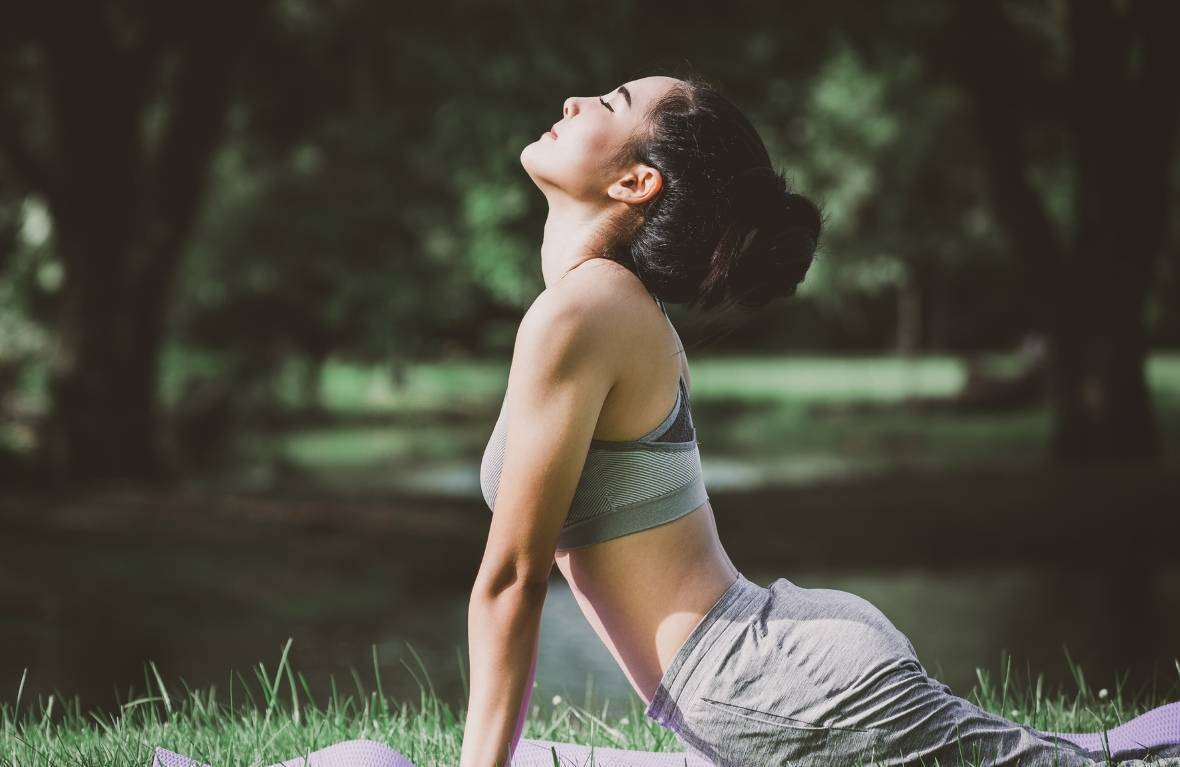
Living with tightness in your neck and shoulders? Youre not alone. Whether its from staring at screens all day, carrying tension from stress, or poor posture, neck and shoulder discomfort is incredibly common. Yoga offers a natural, effective solutionno pills required. In this blog, well explore how yoga reduces neck and shoulder tension, the best poses to target your upper body, and how integrating these mindful movements into your routine can improve your posture, reduce pain, and help you feel more relaxed and confident.
Why Neck and Shoulder Tension Happens (and Why It Hurts)
Muscle overload and imbalance Daily life can trigger overuse of the trapezius, levator scapulae, and upper rhomboids. You hunch over desks, carry heavy bags, even cradle your phone between shoulder and ear. These habits overload tiny stabilizer muscles, leading to aching, stiffness, and tension.
Stress-induced tension Emotional stress tightens the body, especially the neck and shoulders. It’s not just metaphoryour muscles literally clench when you’re anxious.
Poor posture Slouching leads to forward head posture. With head jutting forward and shoulders rounding, neck muscles work overtime to support your weight, often resulting in chronic pain.
Lack of movement Without regular stretching and movement, your muscles stiffen. Yoga increases mobility and blood flow, counteracting sedentary habits.
How Yoga Physically Releases Tension
Improves elasticity and circulation
Stretching during yoga lengthens muscle fibers. As you gently hold and breathe into poses, you increase blood and oxygen flowhelping flush out metabolic by?products and enhancing recovery.
Enhances body awareness
Yogas emphasis on mindful movement helps you tune into silent signs of imbalance before they cause pain. You begin to notice slight tightness or tension in your neck or shoulders and address it before it escalates.
Strengthens posture muscles
Poses targeting the upper back, chest, and core reinforce the muscles that support your spine and shoulders. Over time, this strengthens posture, easing strain on your neck and reducing pain.
Reduces stress chemicals
Slow breathing and meditative focus during yoga reduce cortisol and adrenalinestress hormones that perpetuate muscle tension.
Top Yoga Poses to Relieve Neck and Shoulder Tightness
Incorporating these 57 poses into your daily or weekly routine helps stretch, strengthen, and rehabilitate your upper body:
Cat?Cow Pose (Marjaryasana ? Bitilasana)
This gentle flow encourages articulation of the spine and softens tension. On the cow phase, lift your gaze, broaden your chest, and feel length between shoulders. On the cat phase, tuck your chin and feel a stretch at the back of your neck.
Thread-the-Needle
From all fours, reach one arm beneath the opposite armpit and rest your shoulder and ear on the floor. This pose works deep rhomboids and the back of the shoulders while opening your chest and upper back.
Puppy Pose (Uttana Shishosana)
A blend of Childs Pose and Downward Dog, Puppy Pose targets shoulder flexion and upper?back lengthening. Keep hips high and sink your chest toward the mat, stretching your shoulders and neck gently.
Eagle Arms (Garudasana arms)
Great for shoulder mobility and upper?mid back compression. Wrap your forearms and press palms together, lift your elbows and broaden your chest to release tight shoulders.
Cow Face Pose (Gomukhasana arms)
Reach one arm overhead and the other behind your back, clasp your fingers (or use a strap). This sequence deeply stretches the shoulders and triceps, while mobilizing the upper back.
Supported Fish Pose (Matsyasana variation)
Lay back on a bolster, pillow, or folded blanket placed at the mid?spine. Let your arms fall open and melt your chest upward. This passive chest opener offsets hunched, forward?rounded posture.
Sample Yoga Sequence for Desk-Workers (1015 minutes)
Cat?Cow flow 1 minute
Thread?the?Needle 30 sec each side
Eagle Arms 30 sec each arm
Puppy Pose 1 minute
Cow Face Arms 30 sec each side
Supported Fish 23 minutes
Neck Rolls and Chin Tucks 1 minute each side
Finish with a few deep breaths, visualizing tension melting away from your neck and shoulders.
Integrating Yoga into Your Daily Routine
Set a reminder First thing in the morning or in the evening before bed are great times to build consistency. You can even do a 5?minute session between meetingslittle and often adds up.
Optimize your workspace Pair yoga with ergonomics. Adjust your monitor to eye level, bring your shoulders back, and sit upright to prevent recurring tension.
Make it therapeutic Use props like straps, blocks, bolsters, or even a sturdy cushion. These tools support proper alignment and reduce strain when you’re healing or recovering.
Combine with physiotherapy If youre also working with a physiotherapist, your yoga sequence can complement their guided exercises. Many physios encourage gentle yoga to support muscle re?education and restore range of motion.
Yoga as Preventive Care
You dont have to wait until pain strikes. Regular yoga can:
Enhance posture awareness
Promote spinal mobility
Improve neck and shoulder circulation
Lower stress
Build resilience in connective tissues
These benefits reduce the likelihood of tension buildup.
Final Thoughts
Yoga is a powerful natural remedy for neck and shoulder tension. It combines mindful breathing, therapeutic stretching, and postural strengthening to target tight muscles, reset alignment, and soothe stress. Whether you choose a targeted 10?minute sequence or a full session, the key is consistency and attentive movement. Over time, youll notice reduced pain, improved mobility, and a calmer, more centered upper?body experience.