The Role of Yoga in Managing Postpartum Pain and Discomfort explores targeted strategies for recovery. Discover new paths to mobility, healing, and personalized care.

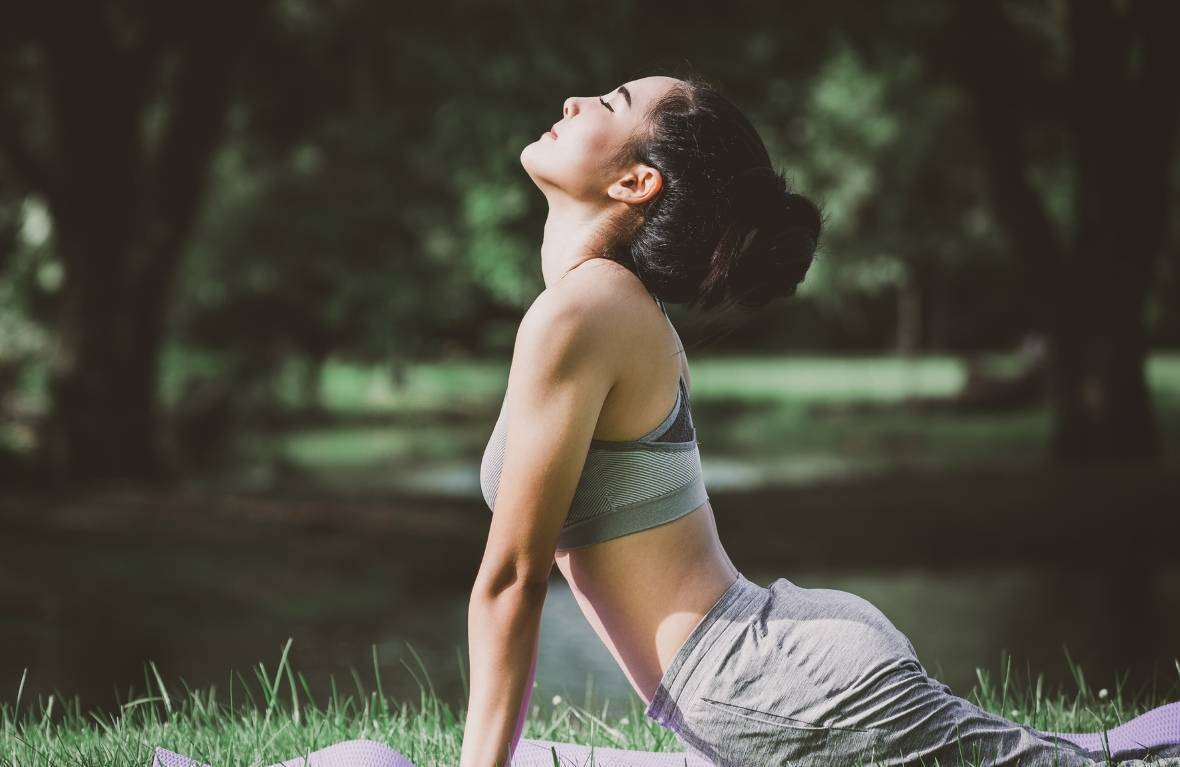
Motherhood is transformativebut it’s also physically and emotionally intense. From backaches and pelvic pain to emotional fatigue and hormonal shifts, the postpartum period demands attention, care, and restoration. Thats where yoga steps innot just as a gentle movement practice, but as a therapeutic tool for postpartum recovery.
Postpartum Discomfort: More Than Just Soreness
Childbirth, whether vaginal or via C-section, places immense strain on the body. After delivery, many women experience:
Lower back pain
Pelvic instability
Neck and shoulder tension (often from breastfeeding or holding the baby)
Abdominal separation (diastasis recti)
Hormonal mood shifts
Fatigue and poor sleep
These discomforts are often brushed aside as “normal,” but they dont have to be endured in silence. Therapeutic yoga for postpartum recovery offers a holistic solution that blends movement, breath, and mindfulness to relieve pain and restore balance.
How Yoga Helps Postpartum Pain
Restores Core and Pelvic Floor Function
Postnatal yoga focuses on gently reactivating the deep abdominal muscles and pelvic floor through specific breathing techniques and controlled movements. This supports the realignment of the pelvis and reduces pressure on the lower back.
Relieves Muscular Tension
Gentle stretches help release tension in the neck, shoulders, hips, and backcommon trouble areas for new mothers.
Promotes Circulation and Healing
Yoga encourages blood flow to muscles and tissues, accelerating healing and reducing swelling, especially in the lower limbs and pelvic region.
Regulates the Nervous System
Breathwork and relaxation exercises activate the parasympathetic nervous system, calming the body and reducing stress, anxiety, and even symptoms of postpartum depression.
Encourages Body Awareness
Postpartum yoga teaches mothers to listen to their bodies with kindness, rather than rushing into intense workouts. This awareness fosters safer movement and a gentler recovery journey.
Best Yoga Poses for Postpartum Recovery
These poses are particularly effective when introduced gradually, beginning around 68 weeks postpartum (with healthcare provider approval):
1. Reclined Bound Angle Pose (Supta Baddha Konasana)
This restorative pose opens the hips and gently stretches the inner thighs while providing emotional grounding. Adding breath awareness makes it a powerful reset for new moms.
2. Cat-Cow Pose (Marjaryasana-Bitilasana)
A soothing spinal sequence that relieves lower back tension, enhances posture, and supports abdominal re-engagement.
3. Legs-Up-the-Wall Pose (Viparita Karani)
This inversion improves circulation, reduces swelling in the legs and feet, and calms the nervous system.
4. Bridge Pose (Setu Bandhasana)
A mild backbend that activates the glutes and hamstrings while gently strengthening the core and pelvic floor.
5. Childs Pose (Balasana)
An all-time favourite for a reason. This calming pose relieves tension in the back, hips, and shoulders while encouraging deep rest and reflection.
6. Deep Belly Breathing with Pelvic Floor Awareness
Not exactly a pose, but essential. Lying flat with knees bent, inhale deeply into the belly and exhale slowly, gently drawing the pelvic floor upward. This helps retrain core engagement safely.
The Emotional Healing Component
Yoga isn’t only physicalit supports emotional processing and mental resilience. Mindfulness, breath control, and being present on the mat help new mothers:
Release feelings of overwhelm
Reconnect with their changing bodies
Regain a sense of personal identity beyond caregiving
Manage symptoms of baby blues or postpartum depression
Even 10 minutes of mindful movement and breathwork per day can have a profound impact on stress levels and emotional wellbeing.
When to Start Postpartum Yoga
Natural birth: Usually safe to begin gentle yoga 6 weeks postpartum, or earlier with medical approval.
C-section: Typically safe to begin at 810 weeks postpartum, focusing first on breathwork, followed by gentle movement as healing progresses.
Always consult your healthcare provider, especially when managing conditions like prolapse, diastasis recti, or postnatal bleeding.
Safety Guidelines for Postpartum Yoga
Avoid deep twists and intense core work early on.
Use props like bolsters, blocks, and straps to support tired joints.
Listen to your bodypain or pressure in the pelvis or abdomen is a signal to back off.
Hydrate and nourishpostpartum yoga works best when supported by good rest and nutrition.
Integrating Yoga into the Postpartum Routine
Life with a newborn is unpredictable. Thats why yoga needs to be flexible (pun intended). Try:
15-minute morning sessions focused on breath and movement
Stretching during babys nap time
Restorative poses before bed to unwind
Mother-and-baby yoga classes for bonding and support
The key is consistencynot perfection. Even a few minutes of mindful movement makes a difference.
SEO Keywords to Maximize Reach
Make sure this blog ranks well for your target audience by focusing on AEO and SEO terms like:
postpartum pain relief yoga
yoga for new moms
therapeutic yoga postpartum
yoga for back pain after birth
gentle yoga for c-section recovery
breathing techniques for postpartum healing
pelvic floor yoga exercises after childbirth
postpartum yoga therapy classes Canada
Final Thoughts
The postpartum journey is sacredbut its also challenging. Yoga offers a powerful, nurturing space for healing, both physically and emotionally. At YourFormsUX Canada, were passionate about supporting new mothers through expertly designed therapeutic yoga programs tailored to postpartum recovery. Its not about snapping backits about rising up with strength, softness, and self-care.
Ready to reclaim your strength, comfort, and peace? Let yoga be your postpartum ally.