Yoga for Better Sleep explores targeted strategies for recovery. Discover new paths to mobility, healing, and personalized care.

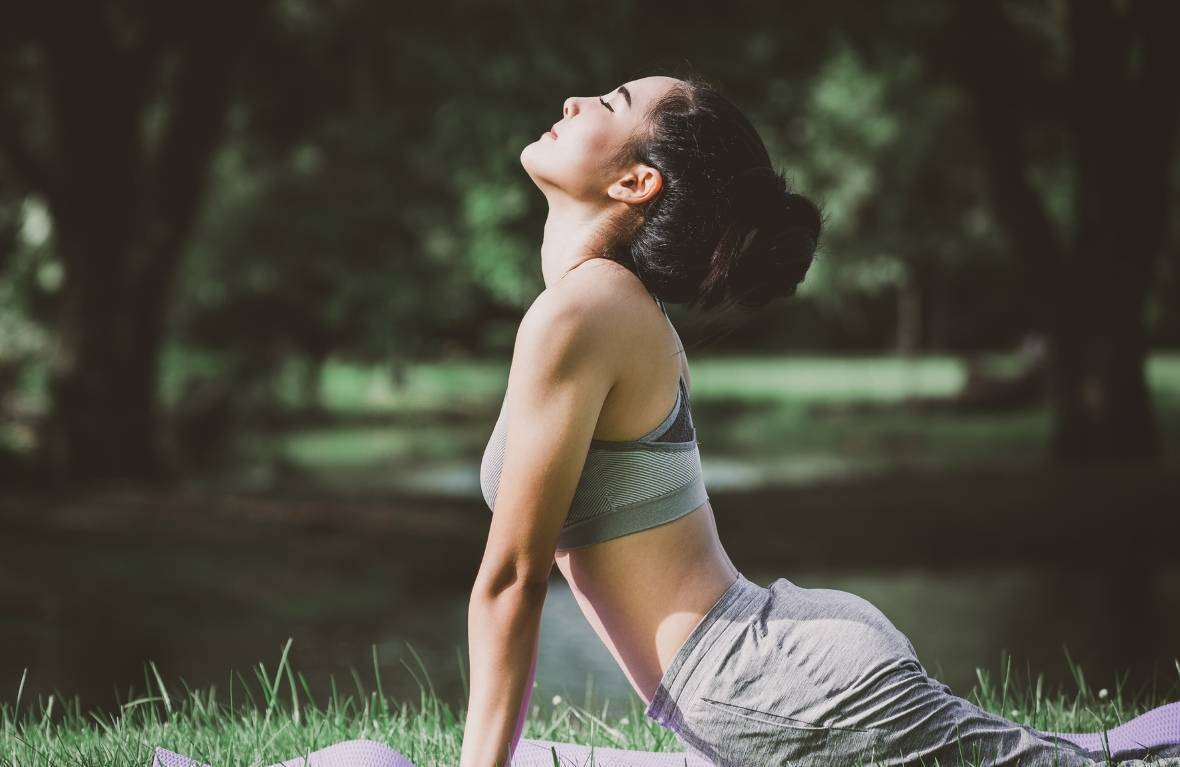
Getting a good nights sleep is essential for health, productivity, and overall happiness. Yet, millions of people struggle with restless nights, insomnia, or poor-quality sleep. If youre one of them, you might be surprised to learn how yoga can be a powerful tool to help you rest better and recover more fully.
Why Sleep Matters and What Affects It
Sleep is when your body heals, your brain processes memories, and your energy resets. Poor sleep impacts everything from your immune system to mood and concentration. Stress, anxiety, physical pain, and an overactive mind are some of the common culprits that disrupt restful sleep.
Yoga, a centuries-old practice, has gained recognition in modern health circles for its ability to promote relaxation and calm the nervous systemtwo key factors for falling asleep and staying asleep.
How Yoga Promotes Better Sleep
Yoga helps improve sleep quality through a combination of gentle movement, breath awareness, and mindfulness. Heres why it works:
Calms the Nervous System: Yoga activates the parasympathetic nervous system, often called the rest and digest system. This slows your heart rate, lowers blood pressure, and prepares your body for deep relaxation.
Reduces Stress and Anxiety: Stress hormones like cortisol interfere with sleep. Yoga practices, especially pranayama (breath control) and meditation, reduce stress hormone levels, helping you unwind mentally.
Relieves Physical Tension: Tight muscles, especially in the neck, shoulders, and back, can make it hard to get comfortable. Yoga stretches release this tension, making it easier to relax.
Improves Breathing Patterns: Shallow or irregular breathing can worsen insomnia. Yoga encourages deep, mindful breathing, which enhances oxygen flow and soothes the mind.
Best Yoga Practices for Sleep
Certain yoga styles and poses are especially effective for promoting sleep. Here are some you can incorporate into an evening routine:
Restorative Yoga: Slow, supported poses held for longer periods help the body fully relax and release tension.
Yin Yoga: Deep stretches target connective tissues and promote a calming effect on the nervous system.
Breathing Exercises (Pranayama): Techniques like 4-7-8 breath or alternate nostril breathing calm the mind and reduce anxiety.
Gentle Forward Bends: Poses such as seated forward fold encourage introspection and activate the parasympathetic nervous system.
Sample Yoga Routine for Sleep
Try this simple 15-minute routine before bedtime to help prepare your body and mind for restful sleep:
Childs Pose (Balasana): Rest your forehead on the mat and breathe deeply, releasing tension from the lower back.
Cat-Cow Stretch (Marjaryasana-Bitilasana): Warm up the spine and encourage smooth movement with your breath.
Legs-Up-The-Wall Pose (Viparita Karani): Elevate your legs to improve circulation and calm the nervous system.
Supine Twist (Supta Matsyendrasana): Gently release spinal tension and detoxify internal organs.
Savasana (Corpse Pose): End with full body relaxation, focusing on slow, even breathing.
Additional Tips to Enhance Sleep with Yoga
Practice yoga consistently, ideally every evening or at least 3-4 times per week.
Avoid vigorous or energizing yoga styles close to bedtime; opt for calming, slow-paced sessions instead.
Create a relaxing environmentdim lights, comfortable clothing, and minimal distractions.
Pair yoga with other sleep hygiene practices like limiting screen time, keeping a regular sleep schedule, and avoiding heavy meals before bed.
Why Yoga Stands Out for Sleep Improvement
Unlike sleep medications, yoga is a natural, side-effect-free approach that addresses both physical and mental aspects of sleep disruption. It empowers you to take control of your well-being through mindful movement and breath.
Whether youre dealing with occasional sleeplessness or chronic insomnia, integrating yoga into your nightly routine can be a game-changer for how you rest and recover.
Conclusion
Better sleep is within reach, and yoga offers an accessible, gentle path to getting there. By calming your mind, easing tension, and promoting relaxation, yoga supports you in falling asleep faster and enjoying deeper, more restorative sleep. Give yourself the gift of rest tonightyour body and mind will thank you!